潘路
Open time:..
The Last Update Time:..
***********English version powered by AI translation.***********
On September 11, 2026, Haoyang Guo successfully passed the defense for his National Natural Science Foundation of China undergraduate research project, which was subsequently approved for funding. His project will use a two-layer reflectance model to retrieve the global distribution of dust cover on Mars. Congratulations, Haoyang!
On September 1, 2026, the new semester officially began. Welcome back to campus, both new and returning students! Yunwan Tao officially joined the group as a Ph.D. student, while Ruiqi Li embarked on a new chapter of his graduate studies. We wish everyone academic progress, success in research, and a vibrant and fulfilling campus life in the new semester!
From August 29 to 30, 2026, Jianfei Liu attended the Planetary Science Symposium organized by the journal Planet at Chengdu University of Technology, where he enjoyed a series of insightful presentations by leading experts and scholars.
From August 25 to 26, 2026, the Astrobiology Summer School was held at the University of Science and Technology of China. Several faculty members and students from the group participated in the courses and academic discussions.
On August 18, 2026, with funding from the Department of International Cooperation, Guixin Xing departed for the e-Planets research group at the University of Lyon, France, for an academic visit. We wish Guixin a smooth journey, an enriching experience, and many valuable insights during her visit!
On August 5, 2026, Jianfei Liu’s research paper on the subsurface structure of Martian wrinkle ridges was accepted for publication in JGR: Planets. The study reveals how volcanic regions on Mars have modified wrinkle-ridge morphology and suggests that this effect may have led to an underestimation of the total amount of global crustal shortening on Mars.
On July 27, 2026, Professor François Forget, a member of the French Academy of Sciences and a professor at Sorbonne University, visited the University of Science and Technology of China. He engaged in in-depth discussions with faculty members and students from the group and delivered an inspiring lecture on the history of Mars exploration and the latest advances in planetary atmospheric modeling.
On July 21, 2026, Fanggang Li traveled to the University of Hong Kong to undertake a summer research project under the supervision of Professor Jiacheng Liu. We wish Fanggang excellent progress and a rewarding summer research experience!
On July 18, 2026, research conducted by Lu Pan and Xiaorong Qin was published in Earth and Planetary Physics (EPP). The paper presents a systematic denoising workflow for CRISM data and extends a processing method previously applied to L-band data to the S-band, opening up new possibilities for investigating the distribution of iron oxide minerals on the Martian surface. Using the latest algorithms, the study also identified a series of secondary minerals in Oxia Planum and Pasteur Crater, providing valuable data to support future landing-site selection.
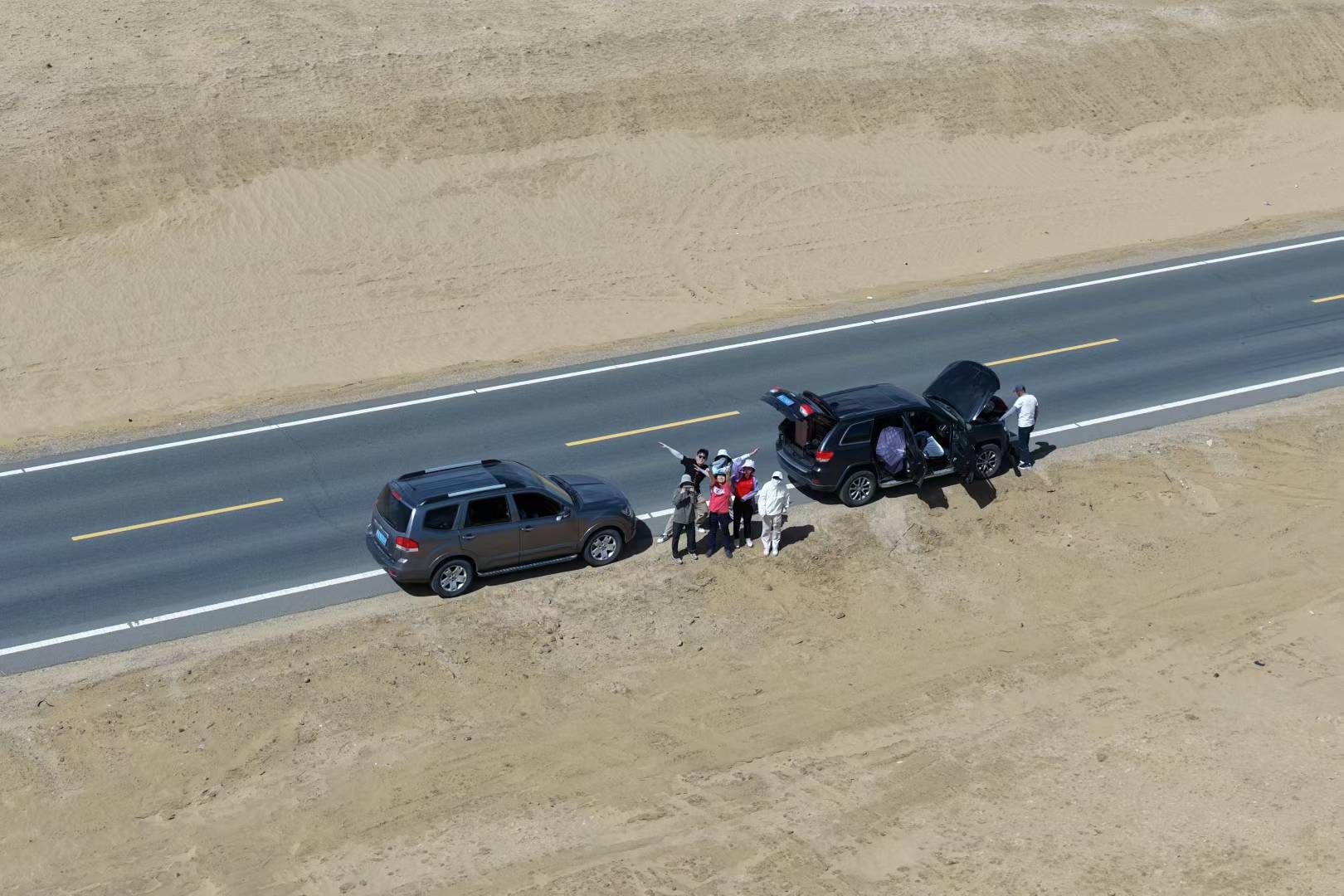
From July 13 to 22, 2026, Xiaorong Qin, Ruiqi Li, and Yunwan Tao participated in a comprehensive planetary science field course organized by the School of Earth and Space Sciences at the University of Science and Technology of China. Centered on the Qaidam Basin and its surrounding areas, the field course involved practical activities such as drone-based three-dimensional terrain modeling and field spectroscopic surveys. The three group members helped guide students as they investigated Mars-analog landforms, mineral compositions, and environmental evolution in real-world geological settings.
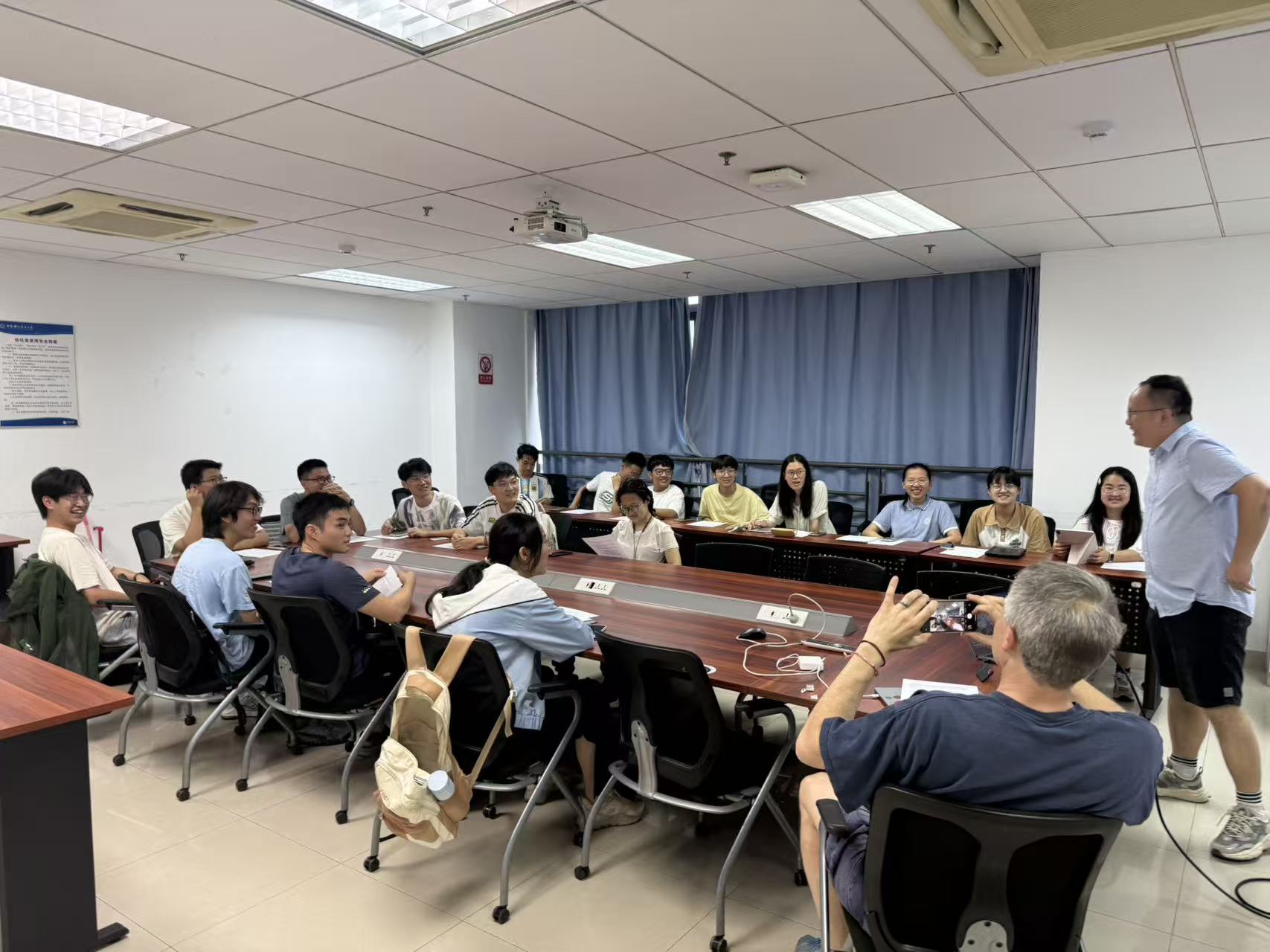
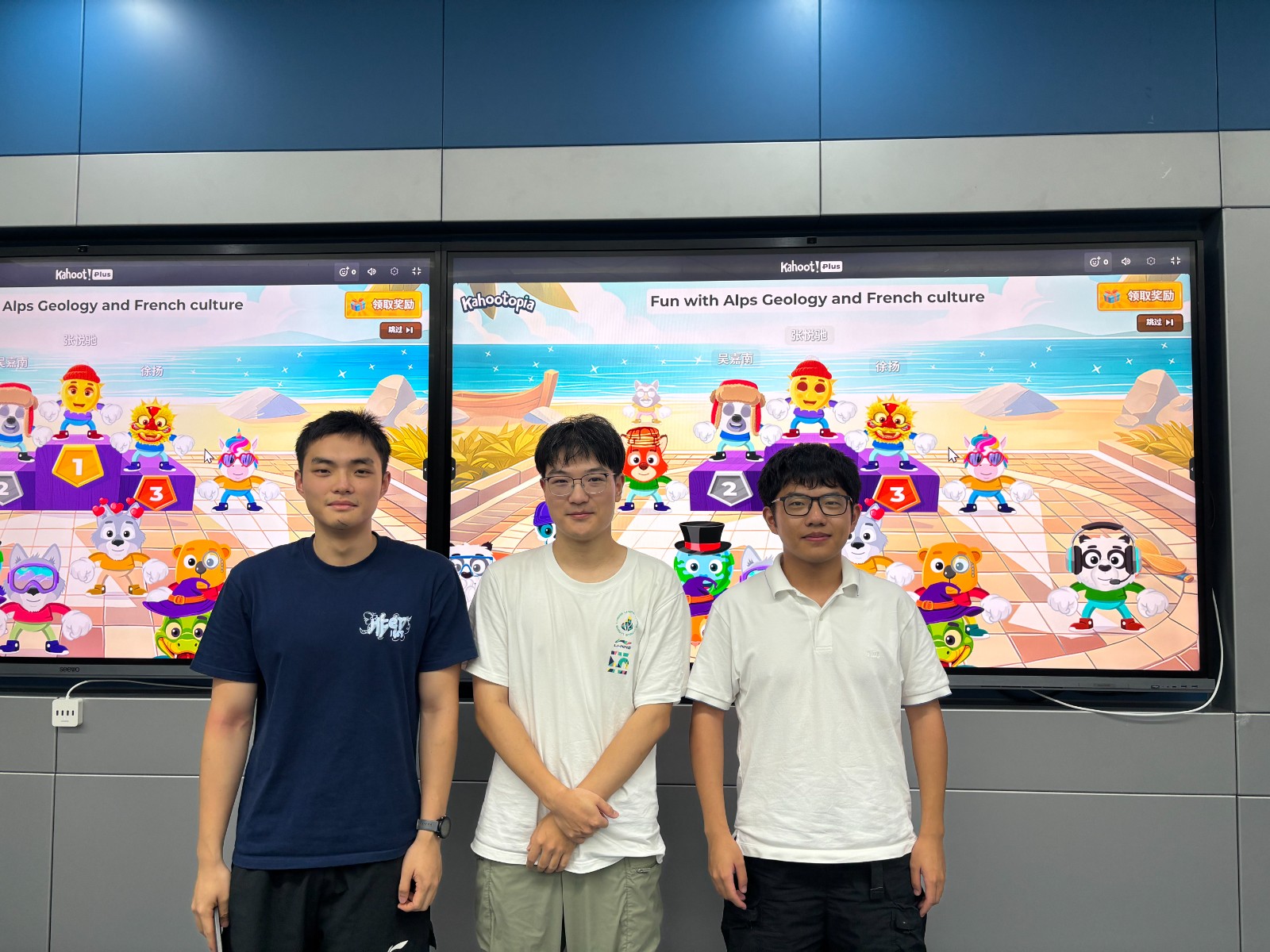
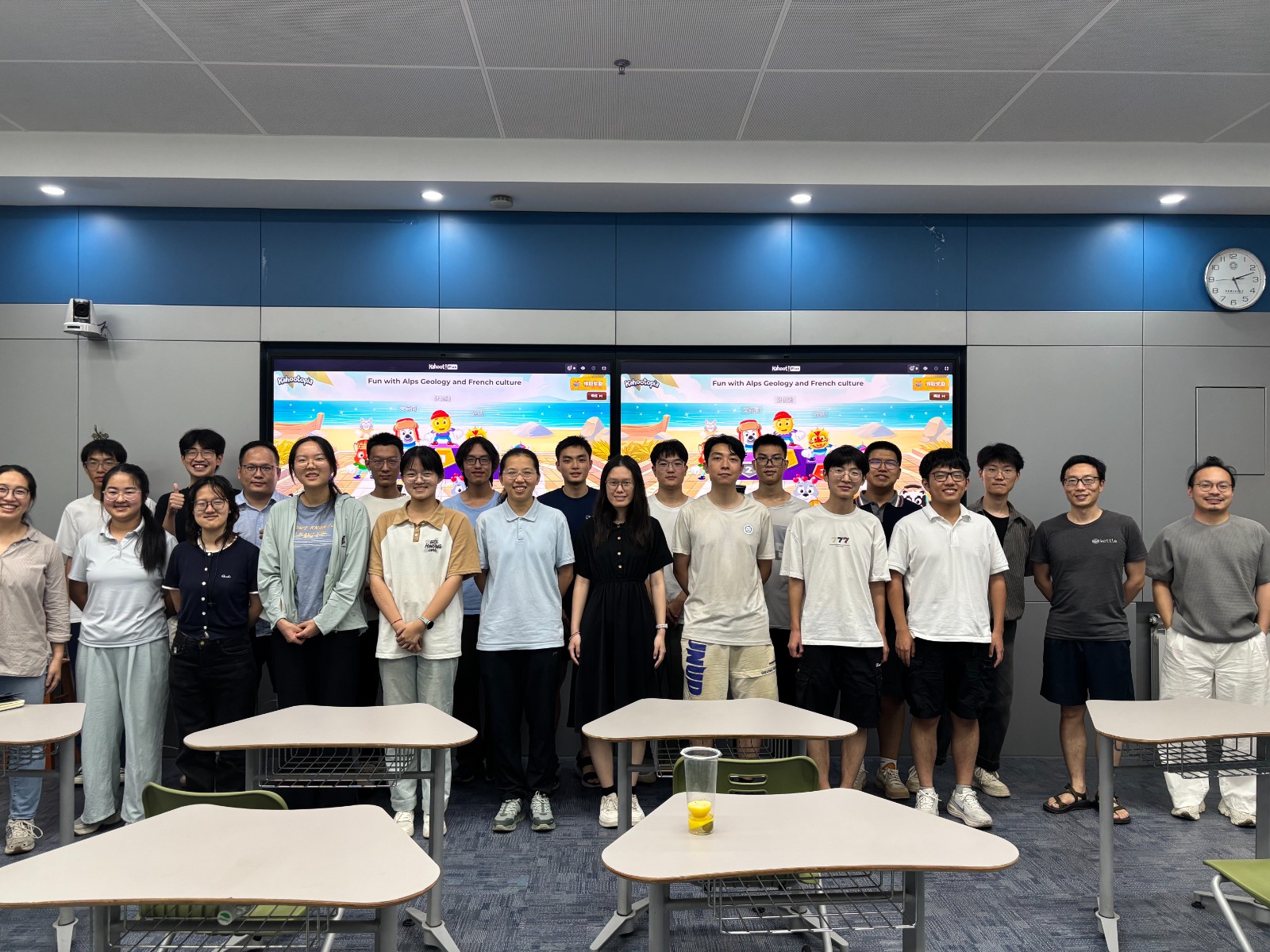
From July 12 to 17, 2026, Lu Pan organized and taught a series of pre-departure lectures for 16 students preparing to participate in a field course in the French Alps. The lectures covered a broad range of topics related to the Alps, including mineralogy and petrology, tectonic settings, geophysics, and climate evolution. French faculty member Frédéric Moynier was invited to introduce the research background of the Institut de Physique du Globe de Paris (IPGP), as well as French culture and customs. Professors Zhengbin Deng, Yixiao Sheng, and Yufei Zou also gave lectures on topics related to their respective areas of expertise. Teaching assistant Haoyang Guo shared insights from his own overseas fieldwork experience and helped design several hands-on classroom activities that gave the students a preview of field investigations. The students participated enthusiastically, progressing from being somewhat shy and hesitant to speak to independently conducting research and delivering presentations in English. They also achieved excellent results in the final quiz. We wish them a safe journey and a rewarding field experience!
On July 7, 2026, Ms. Guixin Xing successfully passed her master's thesis proposal defense. During the defense, she engaged in in-depth discussions with several attending faculty members—Chao He, Ziyao Fang, and Mikhail Dobynde—on methods for detecting potential biosignatures on Mars and the conditions required for their preservation. The proposal defense lays a solid foundation for her anticipated graduation next summer. Special thanks to Jianfei and Yixin for their help in organizing the event.
On June 14, 2026, Dr. Xiaohua Xu from the School of Earth and Space Sciences (SESS) at the University of Science and Technology of China (USTC), Dr. Shuiping Li from the Hefei University of Technology, and Lu Pan, jointly led 11 students from the course Space Geodesy—including two group members, Tingjun Huang and Yixin Sun—to the Feidong GNSS station for a field practice teaching session. Through field observations and hands-on operations, the students integrated classroom theories with the process of GNSS field data acquisition, deepening their understanding of space geodetic methods.
On June 5, 2026, Dr. Xiaorong Qin, a postdoctoral researcher in the group, participated in an online academic seminar organized by the National Space Science Center, Chinese Academy of Sciences (CAS), where he delivered an exchange presentation. He reported on the research group's latest research progress in the direction of planetary science and shared his experimental research results, engaging in in-depth discussions and exchanges with participating peers.
On June 4–5, 2026, Dr. Yan Zhan, Assistant Professor from the Chinese University of Hong Kong, was invited to visit the research group's laboratory for academic exchange, during which he delivered two wonderful academic presentations. Dr. Zhan primarily specializes in the geomechanical modeling of volcanic processes and the deformation of planetary lithospheres. During his visit, he engaged in in-depth discussions with the group members and faculty on related frontier scientific topics such as the formation modes and dynamic processes of wrinkle ridges.
On June 3, 2026, a key project discussion meeting convened by Dr. Yang Liu from the National Space Science Center, CAS, was successfully held, with the faculty and students of Prof. Lu Pan's research group attending together. During the meeting, group members Tingjun Huang and Yixin Sun each delivered academic presentations on their respective research progress. Their reports received a wealth of constructive feedback and suggestions from the participating experts, serving as important references for subsequent research.
On June 1, 2026, the International Children's Day, group member Guixin Xing, along with the "Stone Science Outreach Studio" of the School of Earth and Space Sciences at USTC, traveled to Yelou Primary School in Jiangxiang Town, Nanchang County, to participate in the science outreach event themed "Nurturing Children's Hearts with Science Outreach, Heading Towards the Future with Shared Hearts". She brought lively and engaging presentations on meteorite and planetary science knowledge to the rural children, spreading scientific awareness in an entertaining and vivid format.
On May 29, 2026, Group member Jianfei Liu , along with the team from the "Stone Science Outreach Studio" of the School of Earth and Space Sciences at USTC , visited Maya High School in the Guichi District of Chizhou City. They participated in a geoscience outreach classroom session invited by the Chizhou Science and Technology Bureau and the Municipal Education and Sports Bureau , delivering fascinating popular science on cutting-edge technologies to the students through interactive presentations and physical specimen observations.
On the afternoon of May 20, 2026, Lu Pan attended the Ph.D. dissertation defense of Mingwei Dai at the University of Science and Technology of China. Dr. Dai carried out extensive research on constraining the Martian crust and upper mantle structure using Martian seismology, providing new insights into the internal structure and geological evolution of Mars. Congratulations to Dr. Dai!
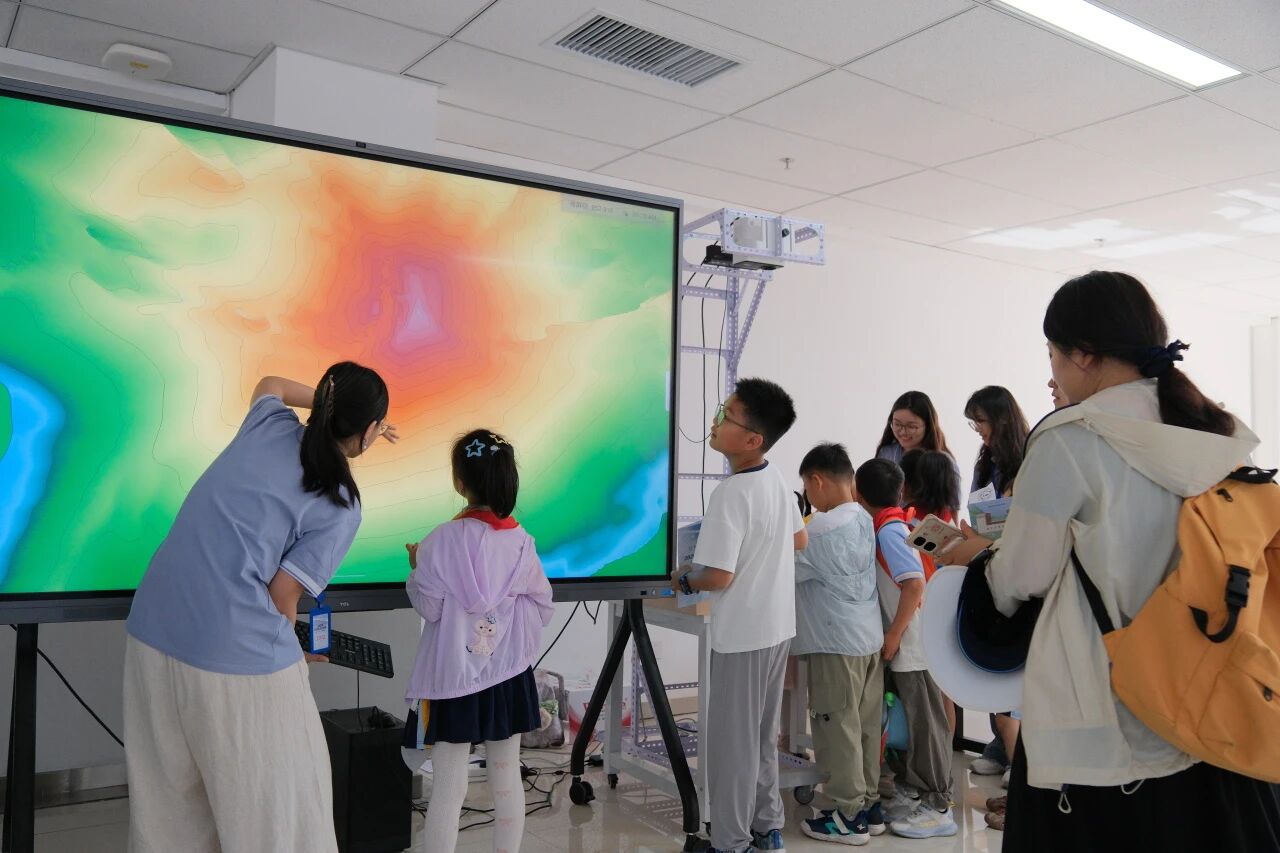
On May 16, 2026, the University of Science and Technology of China held its annual Science and Technology Week. The geographic sandbox demonstration independently assembled and programmed by Jianfei Liu, Yunwan Tao, and Haoyang Guo from the research group attracted great interest from visiting children and students. The photo shows Guixin Xing introducing the exhibit to visitors.
From May 16 to 17, 2026, Lu Pan participated in the student networking activities of the Geophysics Summer Camp and communicated with visiting students from other universities. During the reception event, Tingjun Huang and Yixin Sun introduced the research directions and ongoing projects of the group, showcasing the group’s active academic atmosphere and student achievements.
On May 15, 2026, Lu Pan attended the Ph.D. dissertation defenses of Le Wang and Jun Zhang at the China University of Geosciences (Wuhan). Dr. Wang’s work focused on the geological evolution of the Vastitas Borealis Formation on Mars, while Dr. Zhang concentrated on machine-learning analysis of Martian ground penetrating radar data. Both dissertations demonstrated strong innovation and high research quality. Congratulations to Dr. Wang and Dr. Zhang!
On May 3-8, 2026, visiting student Yunwan Tao reported her recent work on identifying Martian landslide databases and newly recognized landslide features at EGU 2026. The study was recently published in the journal Planetary Science Journal (PSJ). This work proposed a new machine-learning framework, MarsDiSVM, for identifying complex geomorphic features such as landslides on the Martian surface. After manual validation within the test region, 25 previously unidentified landslide features were discovered. Future applications of this method may provide new constraints on the formation, triggering, and movement mechanisms of landslides across Mars. Article link: https://doi.org/10.3847/PSJ/ae5dc7
On April 25, 2026, Lu Pan represented the School of Earth and Space Sciences in the university air-volleyball competition. Although the team did not advance beyond the group stage, the players demonstrated strong teamwork and competitive spirit throughout the matches.
On April 24, 2026, the research group of Prof. Wei Tian from Peking University visited the laboratory for academic exchange. Students from the group introduced the laboratory’s research directions, recent progress, and instrumentation platforms, followed by discussions on related scientific topics.
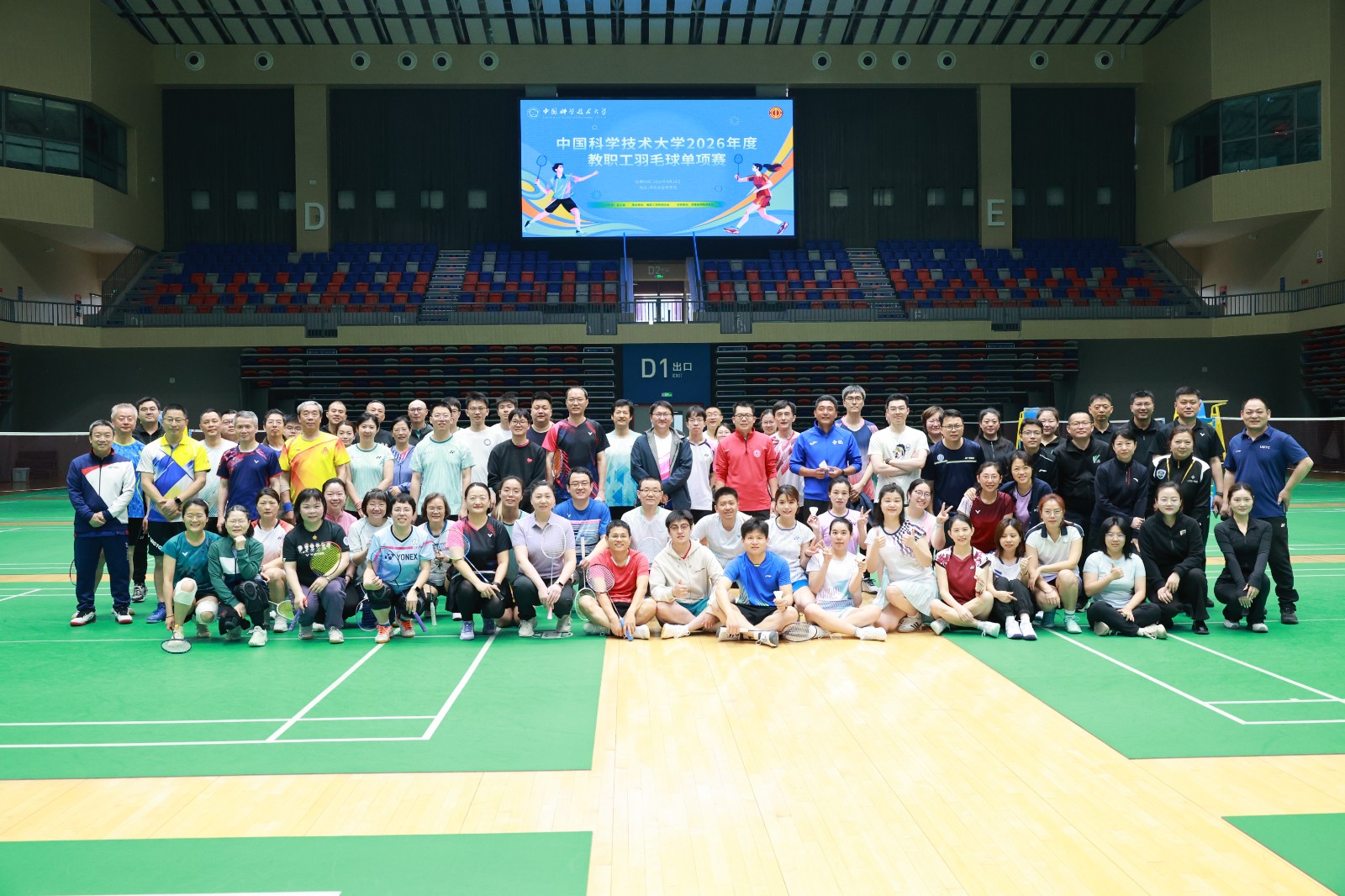
On April 18, 2026, Lu Pan and Lingyu Meng participated in the university faculty badminton competition as a women’s doubles team. Benefiting from both steady performance and favorable draws, they won third place in the women’s doubles event.
On April 12, 2026, the Spring Cross-Country Run of the University of Science and Technology of China (USTC) "Science and Technology Elite Class" was held at Xiaolingnan, Hefei. Prof. Lu Pan joined over 30 students from the Zhao Jiuzhang Science and Technology Elite Class and the Qiangji Class of the School of Earth and Space Sciences in the 10-kilometer race. Despite light drizzle on the day, the students ran with high spirits across rolling terrain and rural greenways, showcasing their vitality and determination. In the competition, Jianan Wu finished in the top 20 of the men's category, while Jie Ying, Yanran Li, and Qianhong Xiong all placed in the top 20 of the women's category — a commendable achievement. Notably, Yangtian Kang won a small prize in the lucky draw, breaking the Elite Class's previous streak of coming away empty-handed.
From March 27 to 29, 2026, Prof. Lu Pan and Teacher Junhong Qian led 30 students from the 2023 cohort of the Zhao Jiuzhang Modern Earth and Space Science Elite Class on a two-day exchange and study visit to the Institute of Geology and Geophysics, Chinese Academy of Sciences (IGGCAS). The visit was carefully organized by the Institute's Education Office. During the program, researchers Libo Liu, Wei Yang, Fei He, Wei Wang, and Xiaocai Shan delivered a series of lectures covering frontier topics including auroras and space environment, planetary chemistry, solid-Earth geophysics, and AI applications in geosciences. USTC alumni Zhipeng Ren, Mingyu Zhao, Zhaopeng Wu, and Wenbo Li also joined a roundtable discussion, sharing insights on their research experiences and advice on graduate study planning. Students further visited the incoherent scatter radar laboratory, the institute's history museum, and the natural science museum, gaining firsthand exposure to cutting-edge geoscience instrumentation and the institute's rich research heritage. Through engaging exchanges with distinguished researchers and alumni, students came away with a deeper sense of confidence in their own future development.
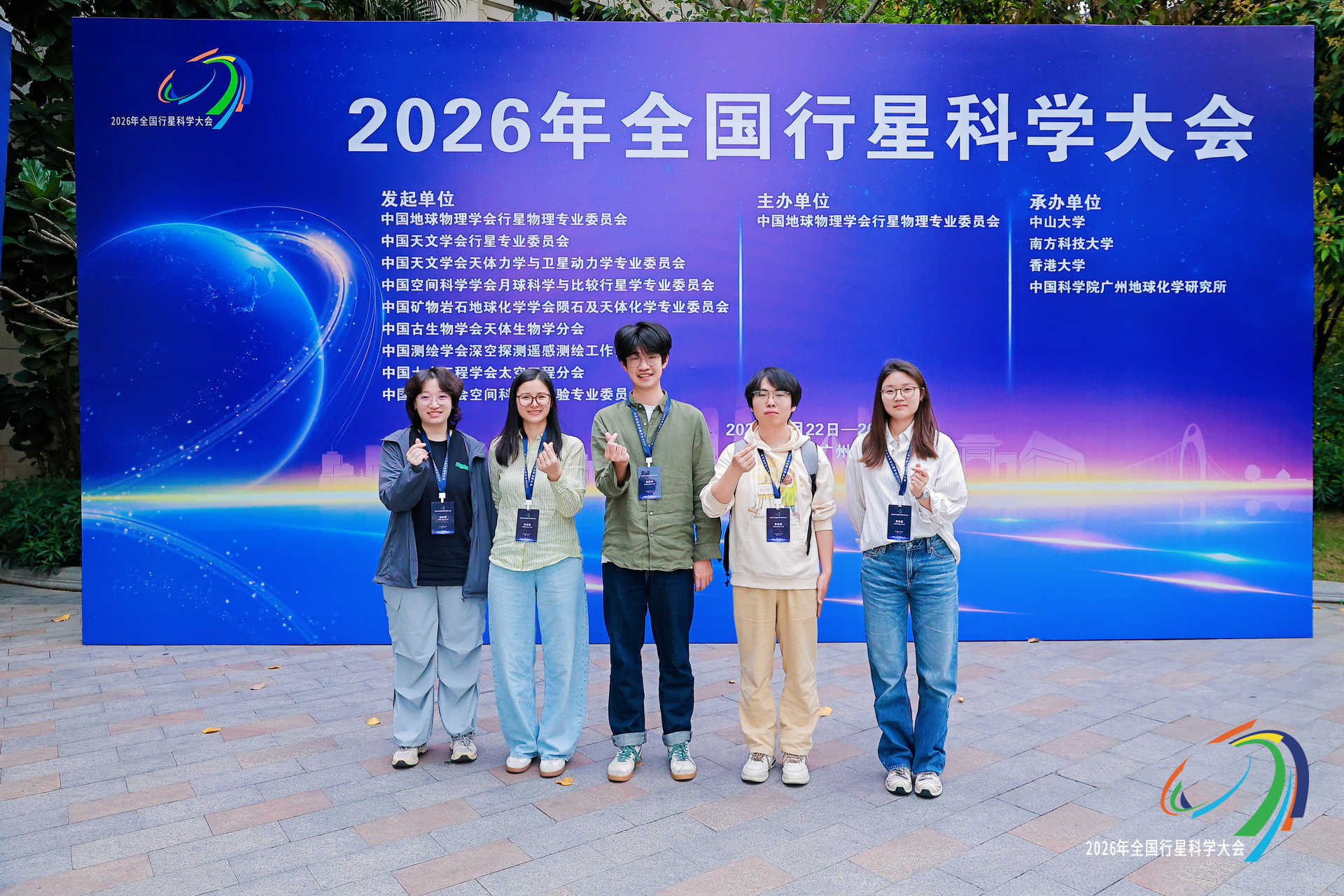
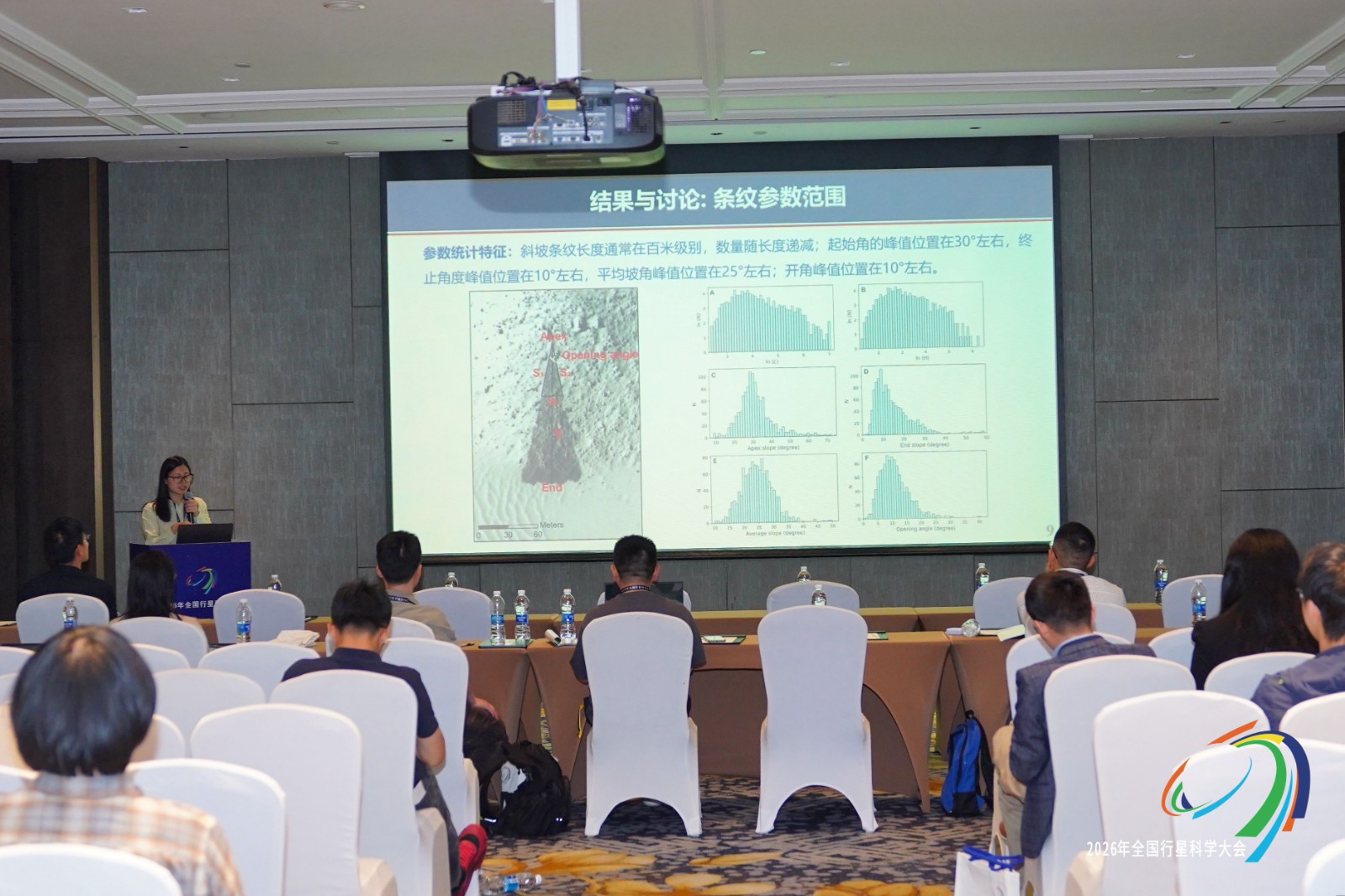
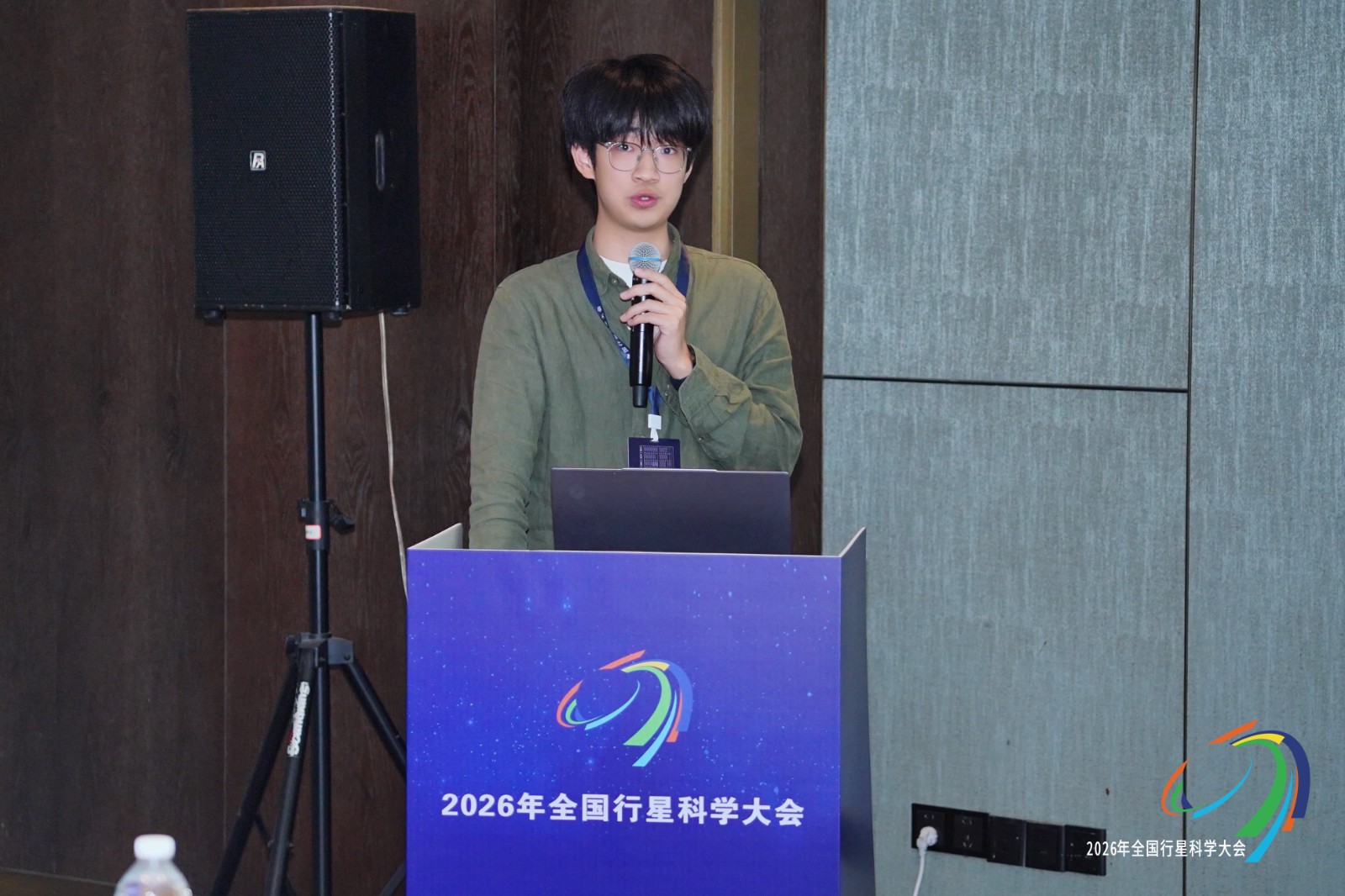
From March 23–26, 2026, Jimin Peng, Xiaorong Qin, Guixin Xing, Haoyang Guo, and Yixin Sun traveled to Guangzhou to attend the National Planetary Science Conference, where each presented an oral report on their recent research. Particularly noteworthy was Guixin Xing, who delivered talks across three consecutive days in three separate sessions — planetary geology, planetary atmospheres, and planetary science outreach — undoubtedly establishing herself as one of the conference's most active contributors.
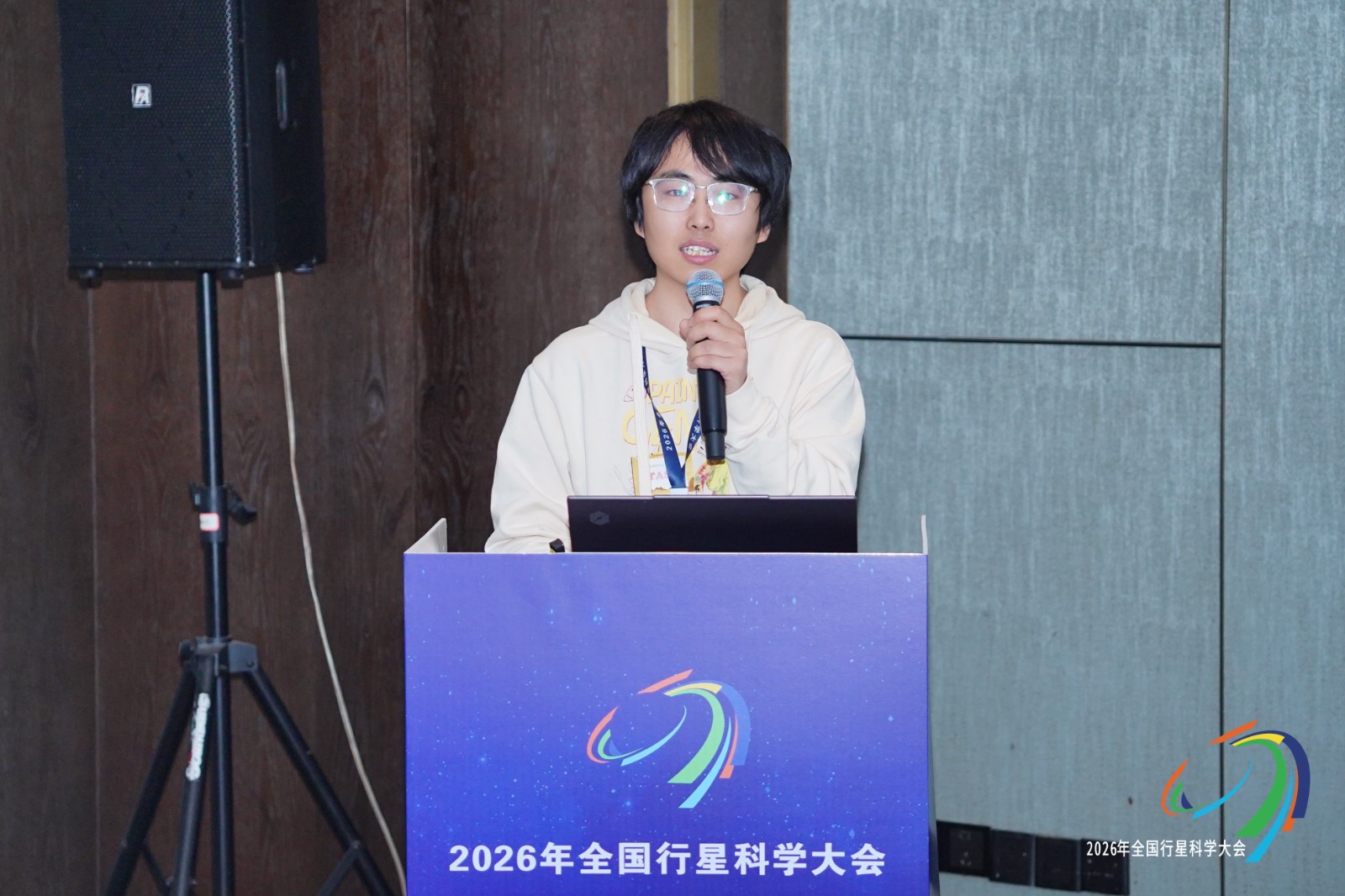
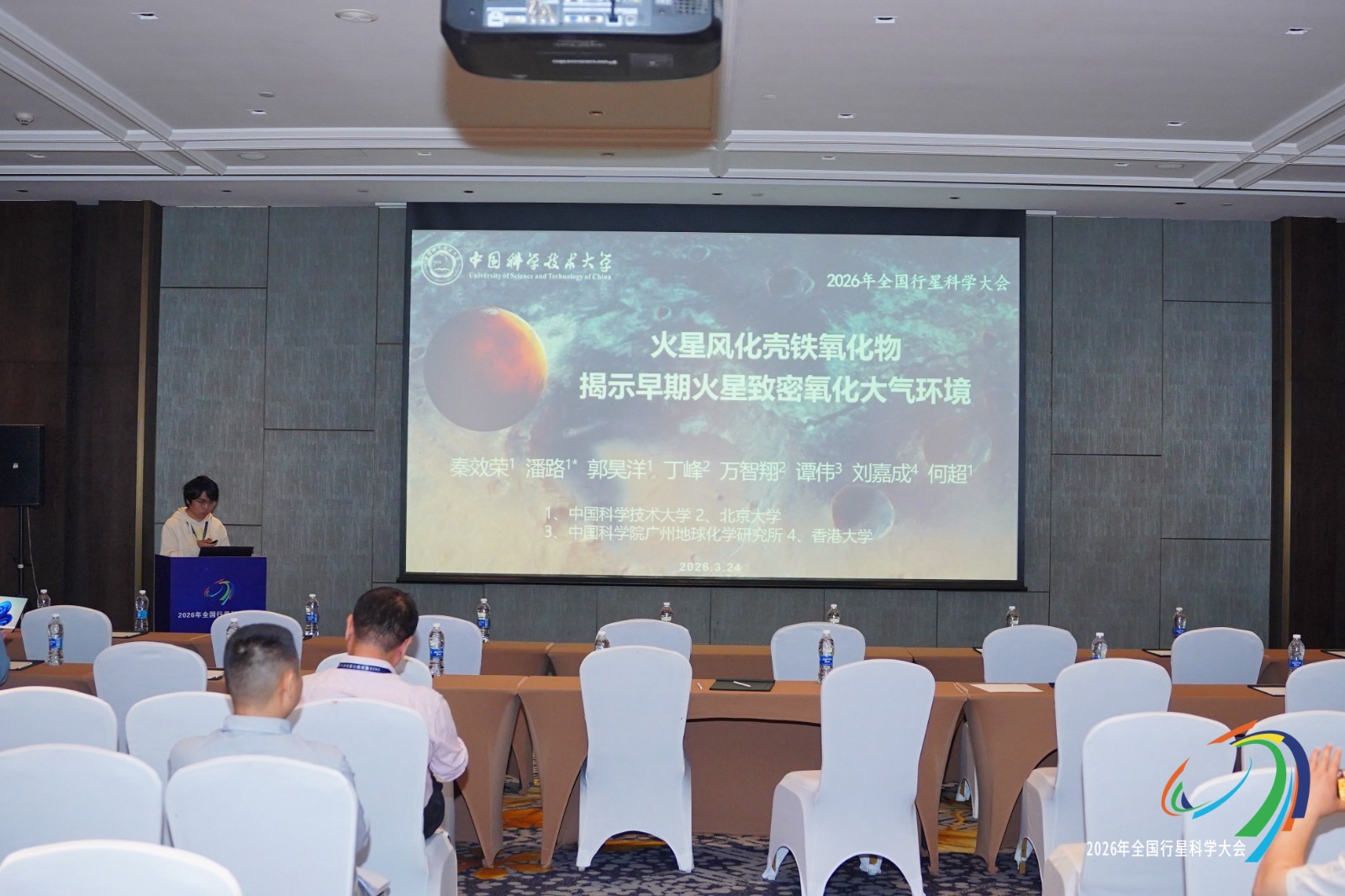
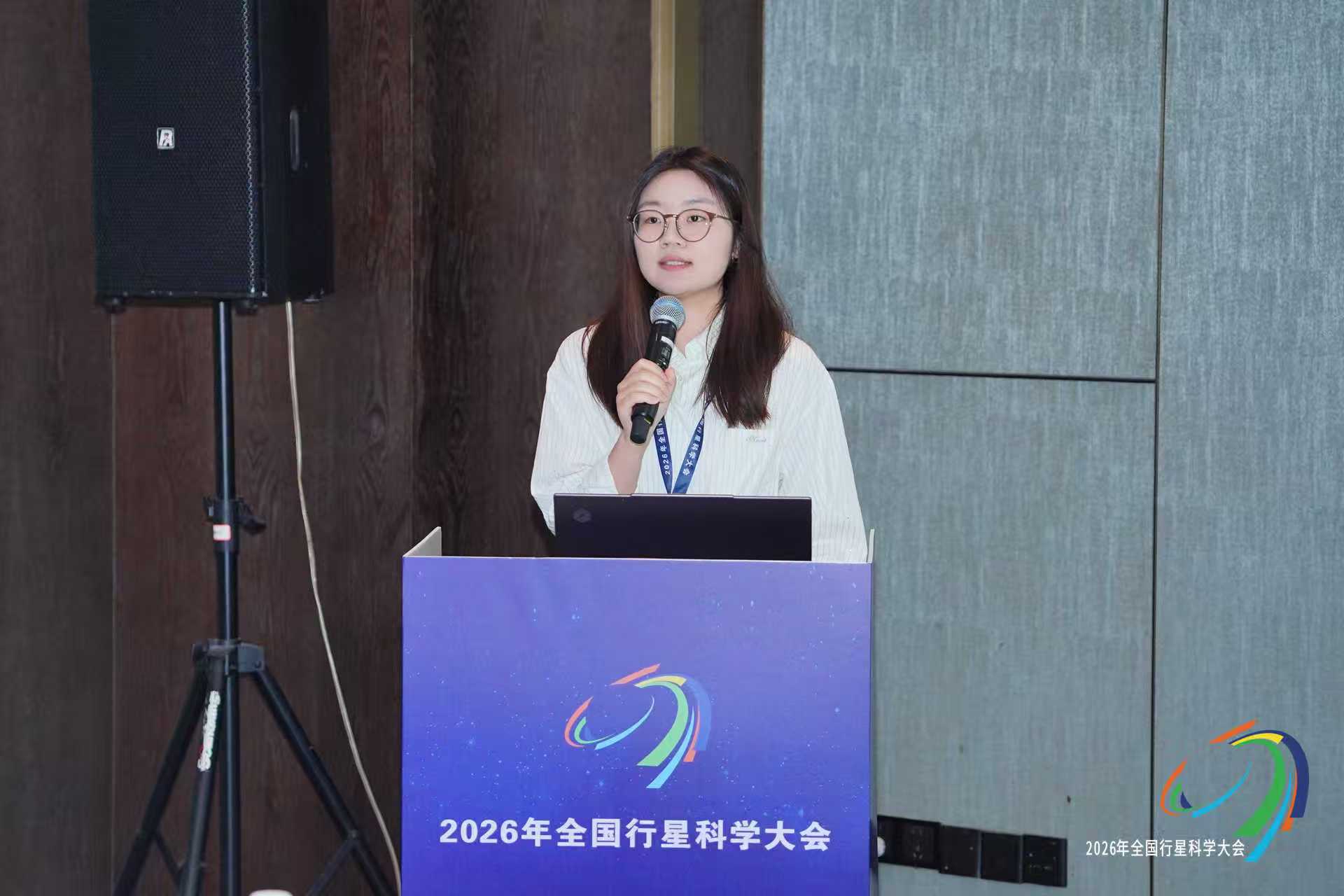
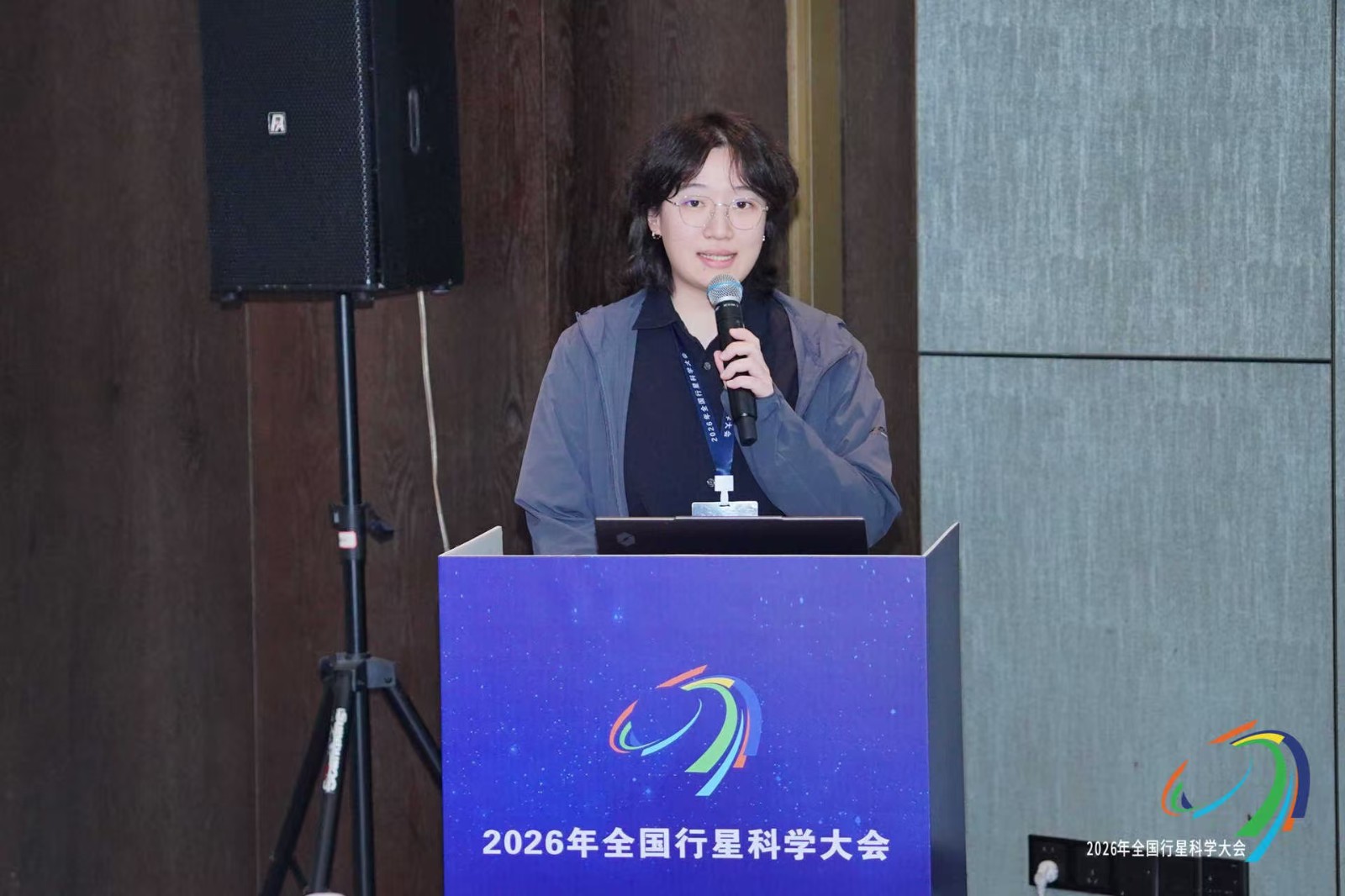
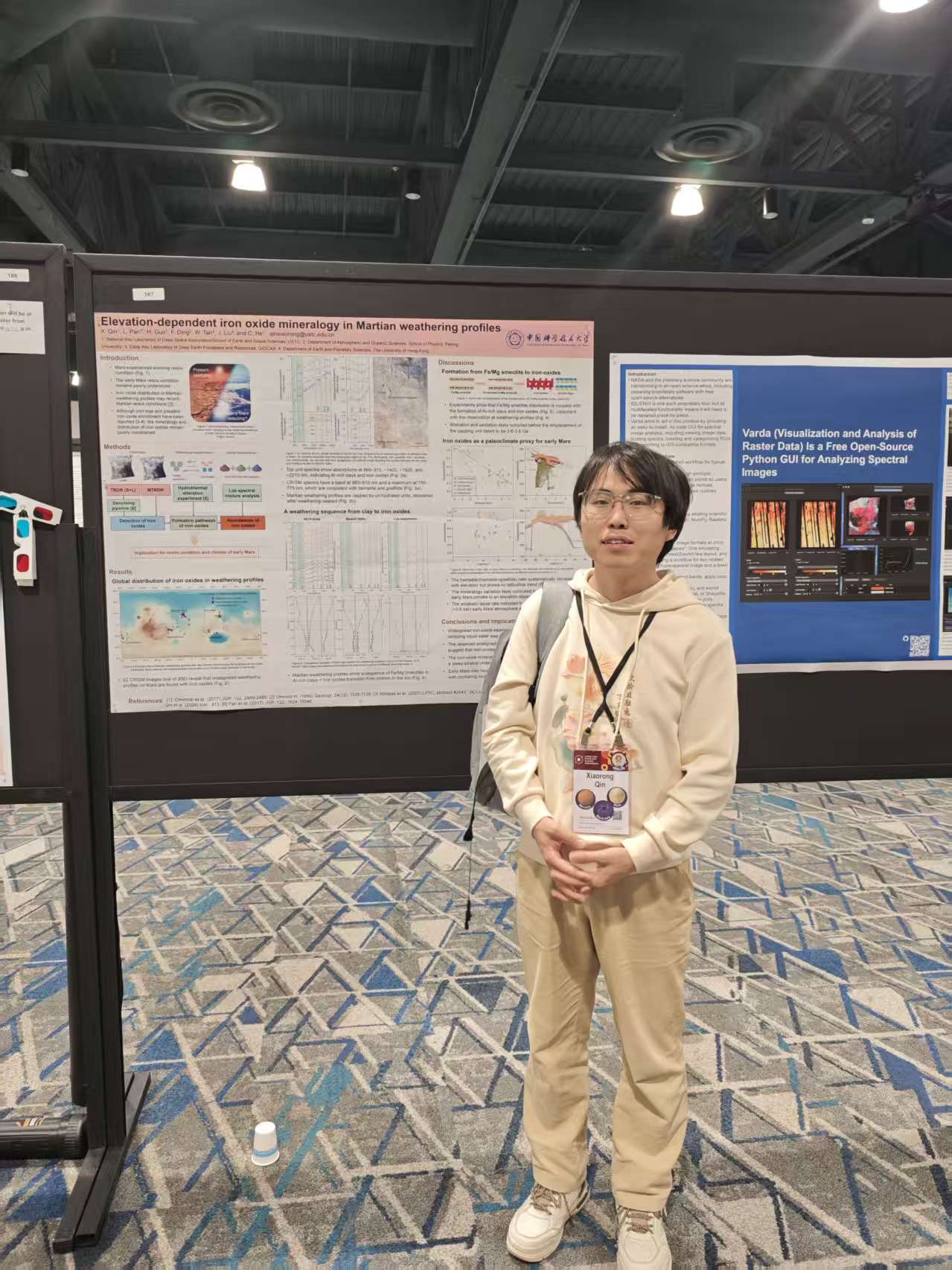
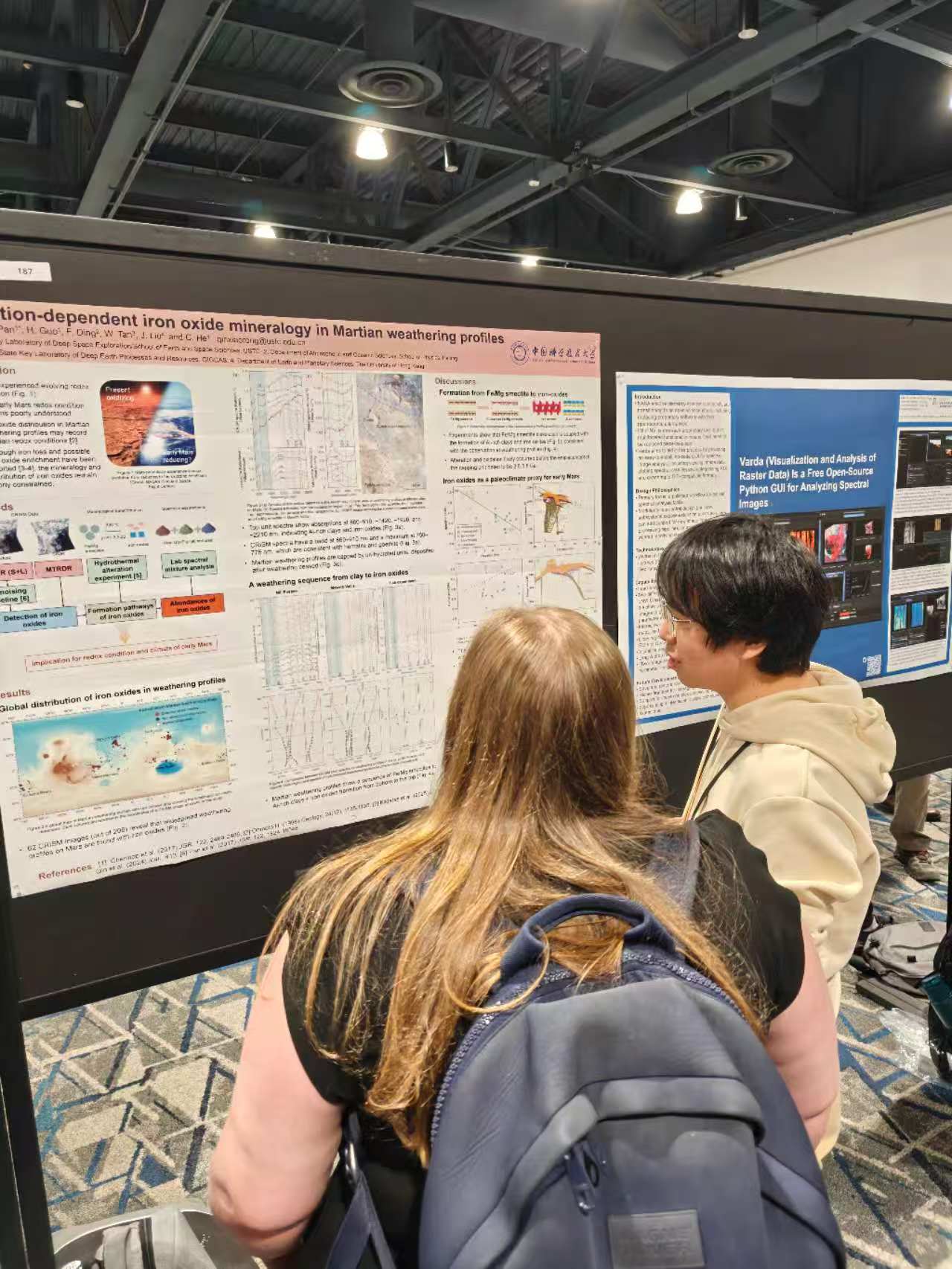
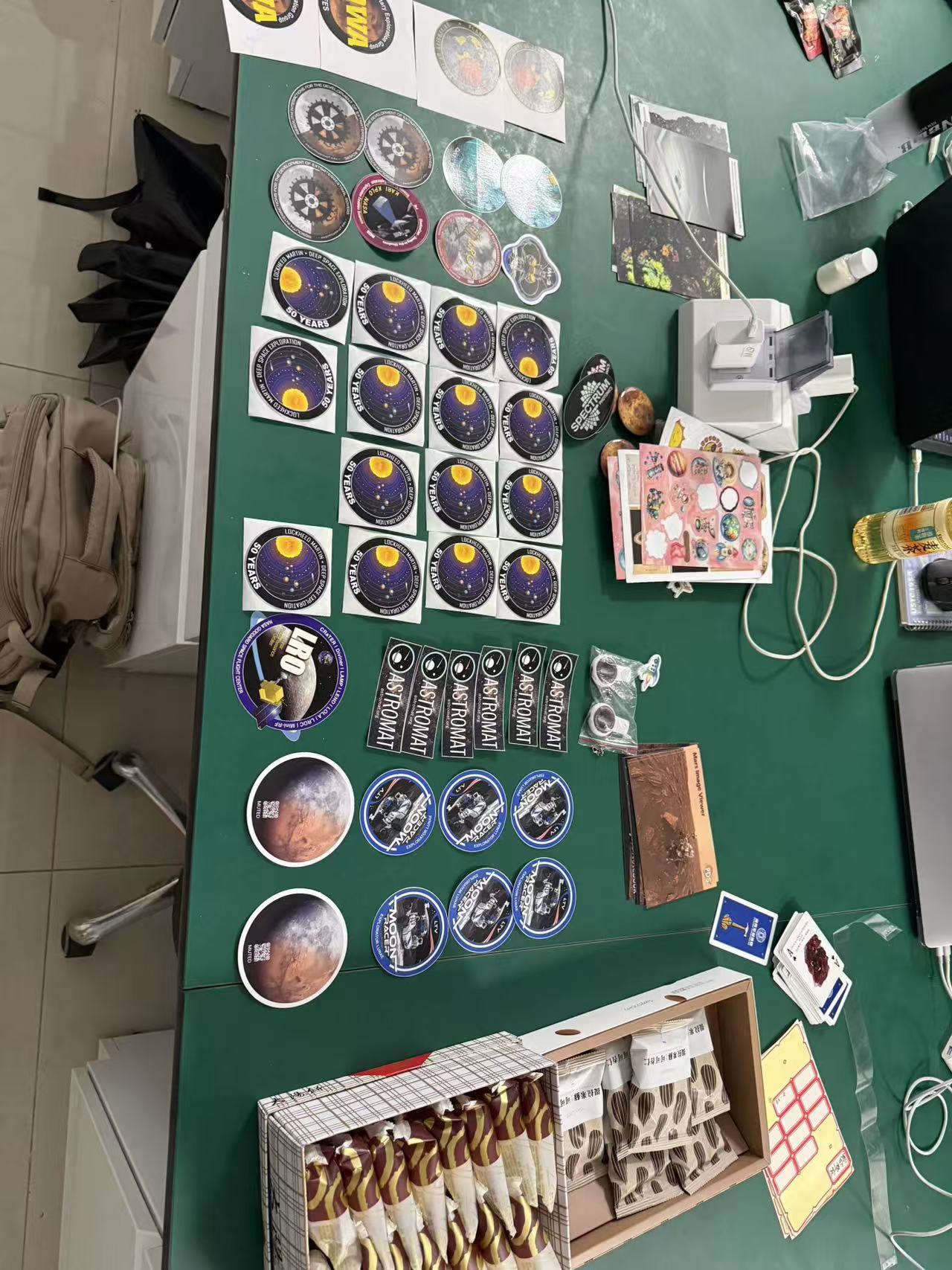
From March 16–20, 2026, Dr. Xiaorong Qin traveled to the United States to attend the Lunar and Planetary Science Conference (LPSC), where he presented a poster on the altitudinal distribution of iron oxide abundances on Mars. During the conference, he engaged in in-depth discussions with numerous specialists in the field, receiving a wealth of constructive feedback — and an impressive haul of stickers.
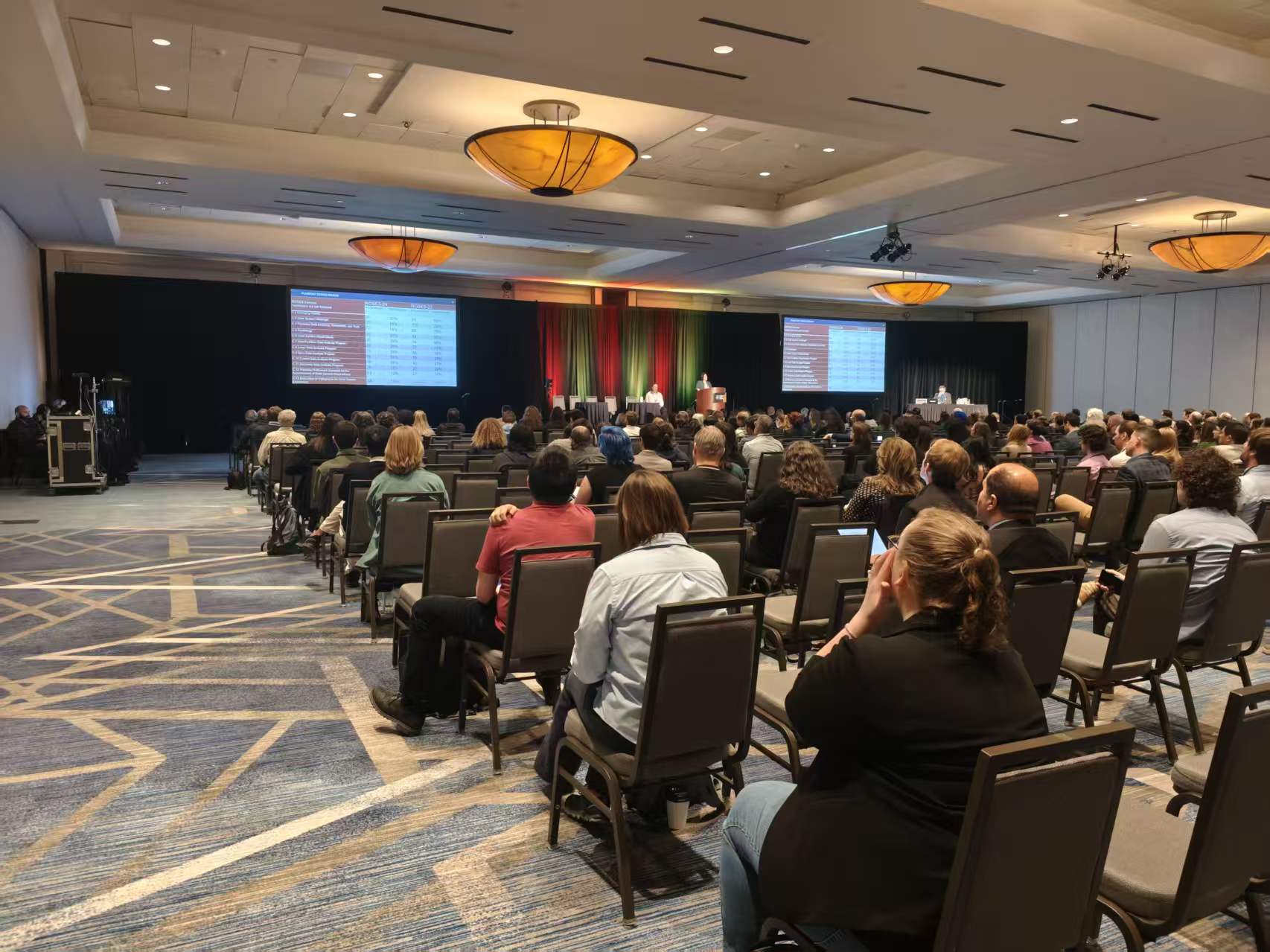
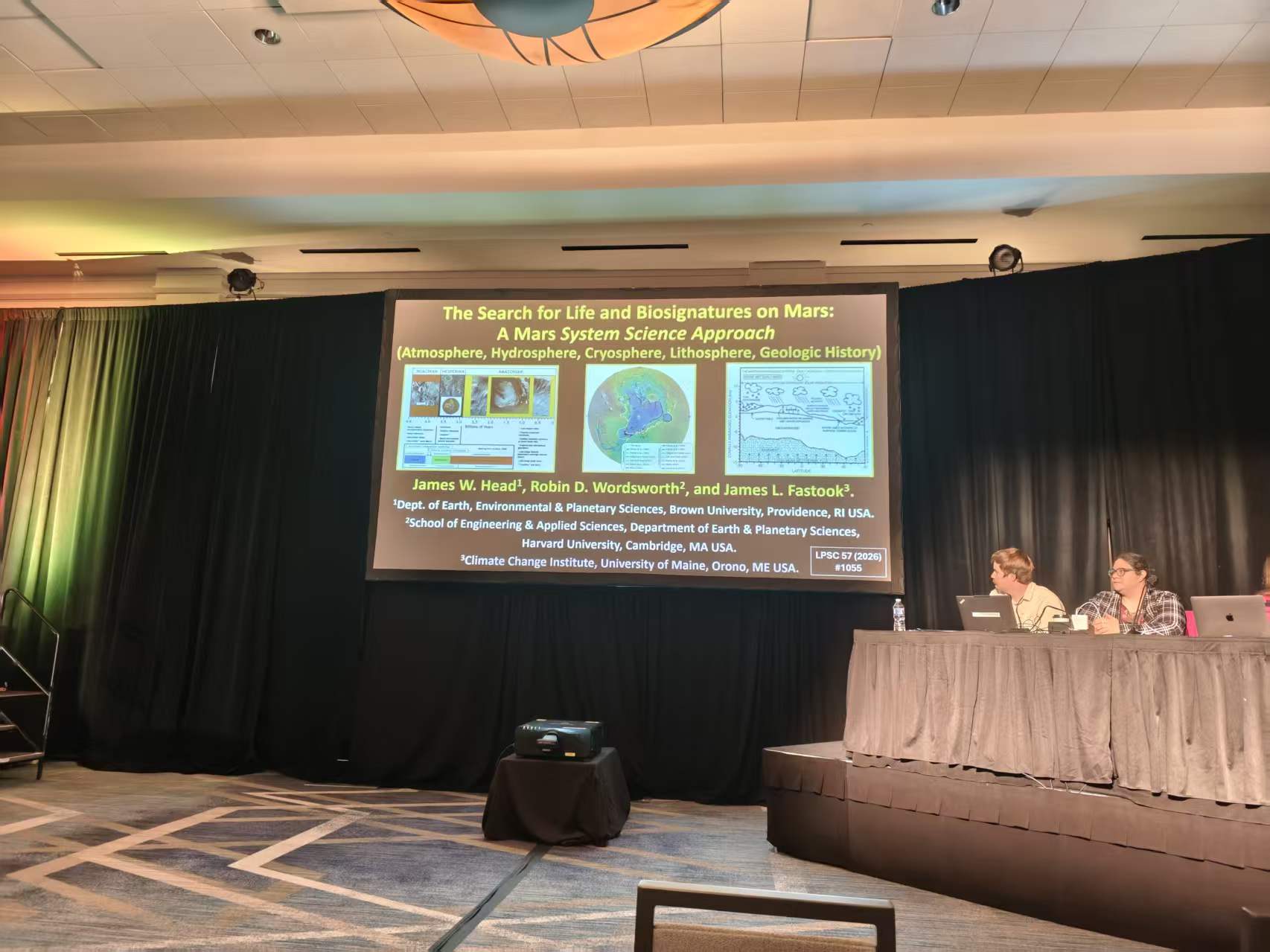
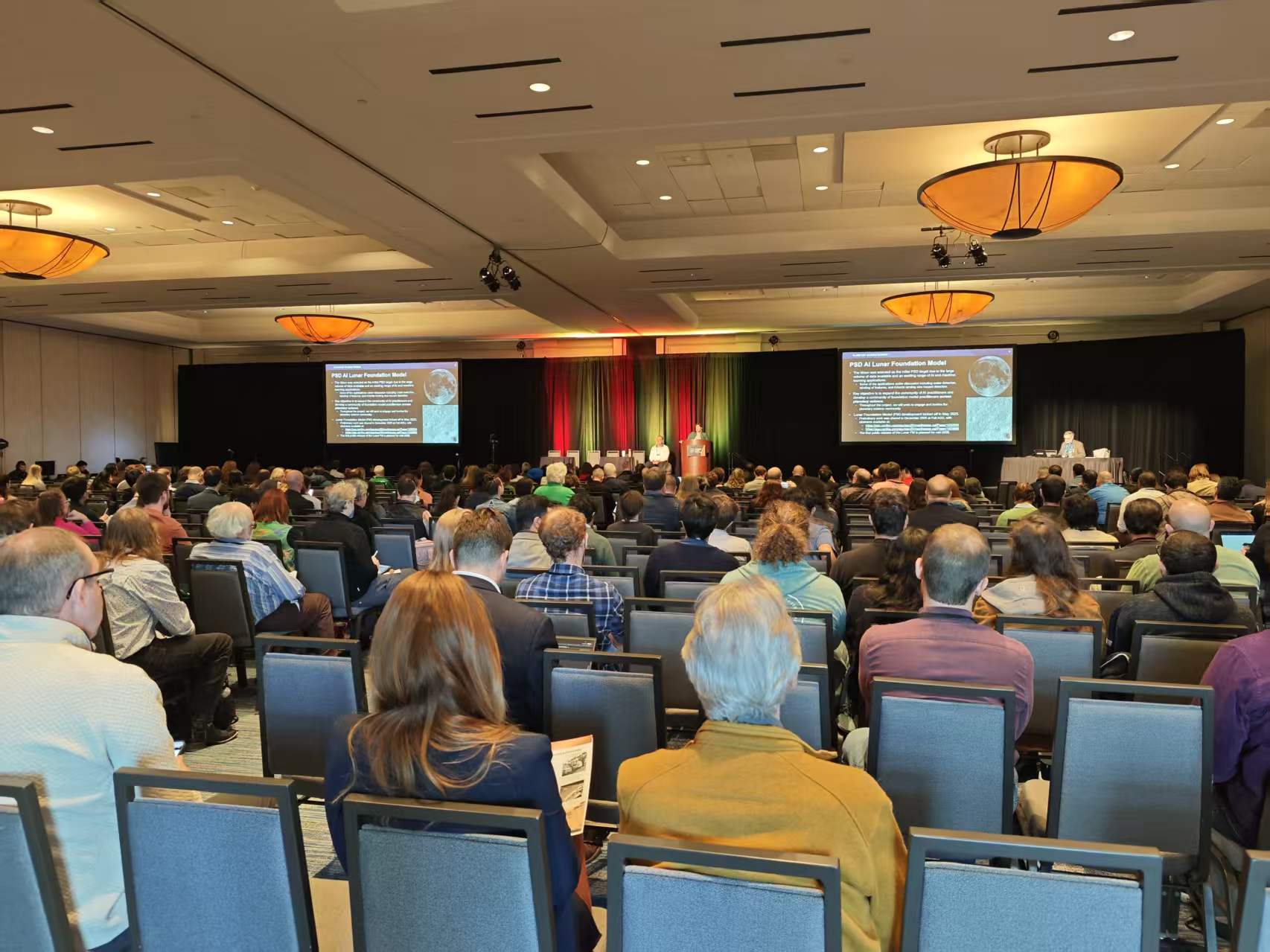
On March 13, 2026, the new semester officially began! Following the first group meeting, the research group gathered for a celebratory dinner to mark the acceptance of Dr. Xiaorong Qin's doctoral research in American Mineralogist — a study examining the interlayer ion characteristics of smectite in oceanic/lacustrine environments and weathering crust environments. In addition, Rui Tang, an undergraduate student from the Class of 2024, joined the group meeting and related activities, with plans to carry out an undergraduate research innovation project under the group's supervision.
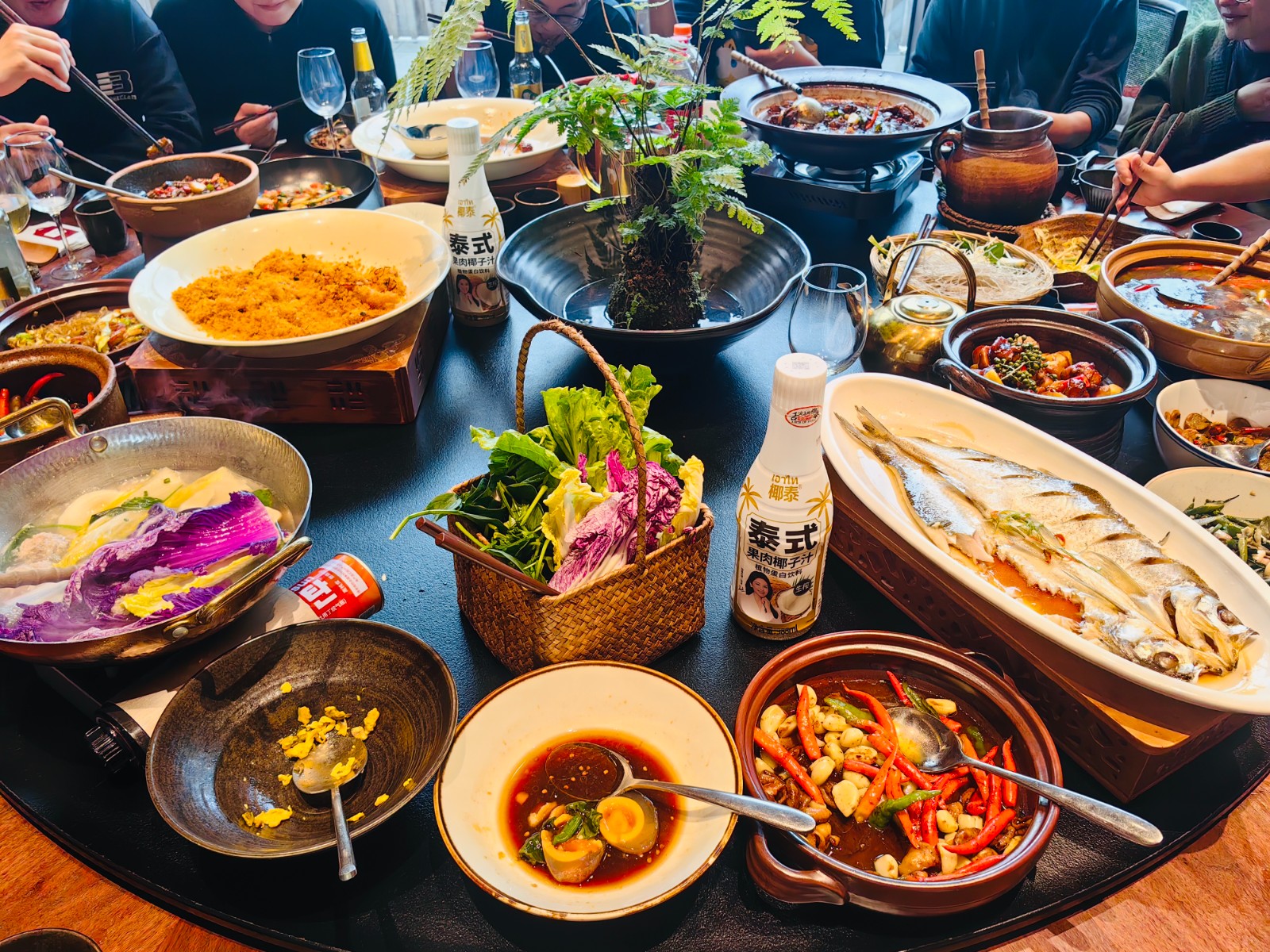
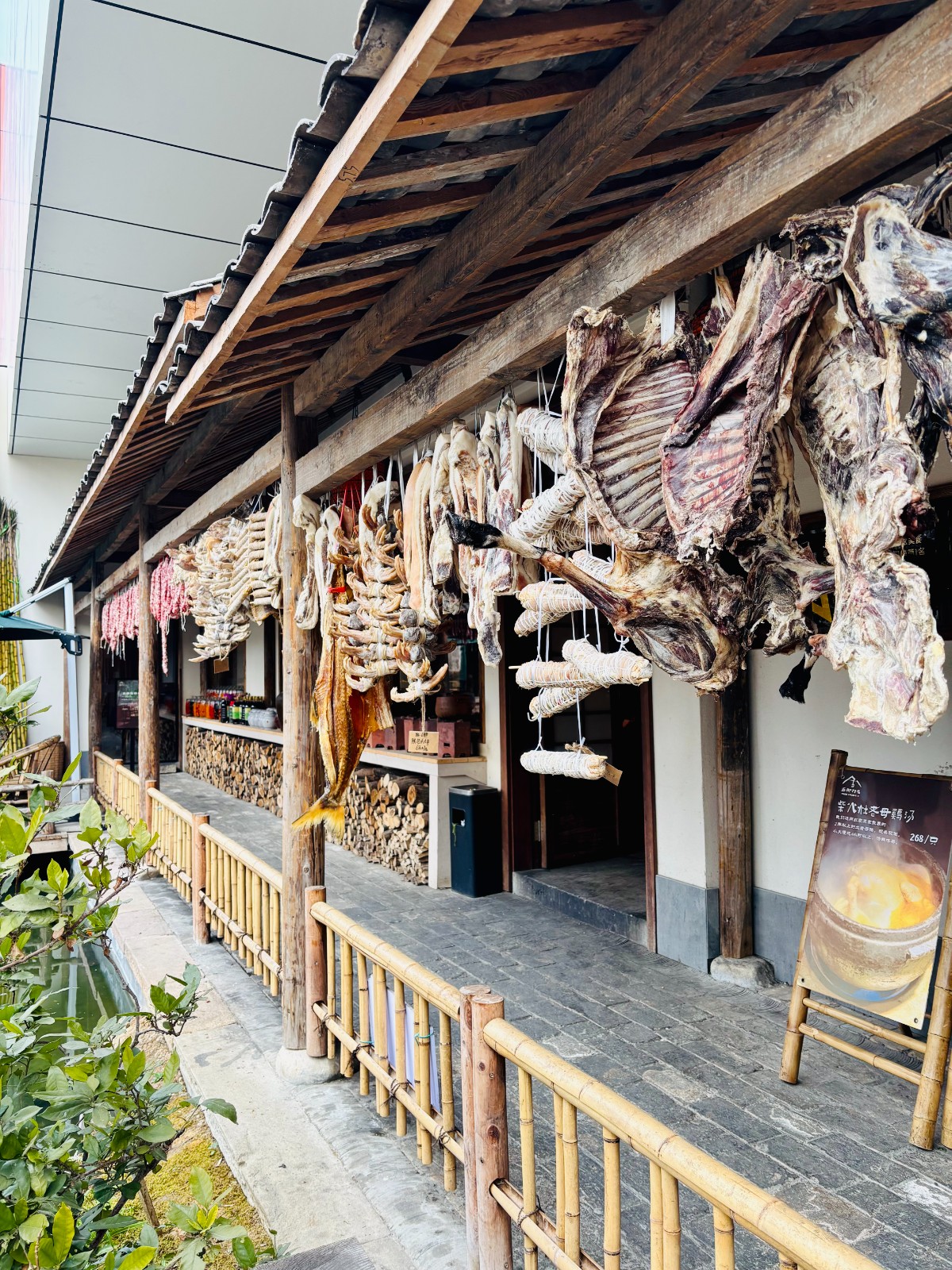
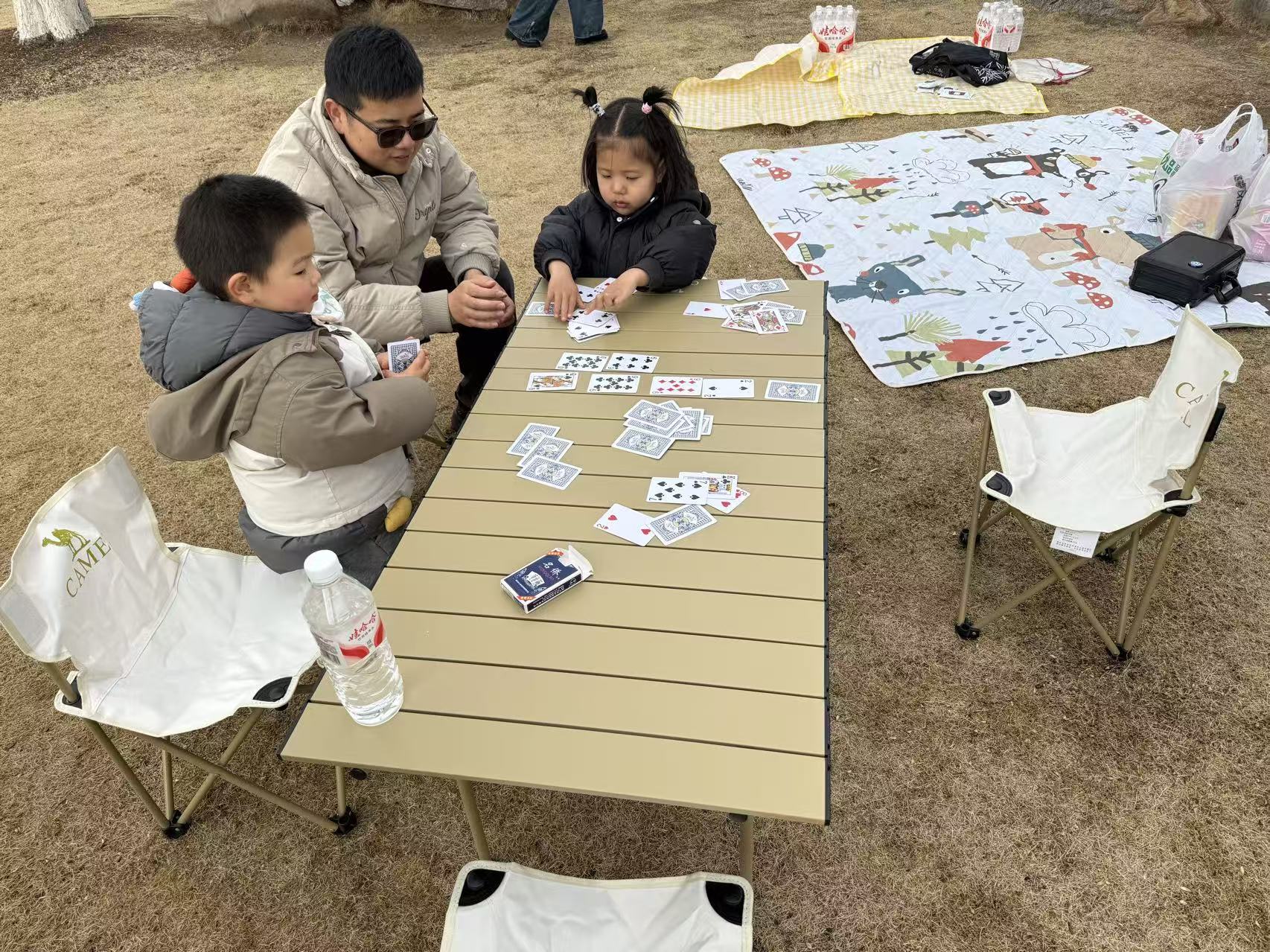
On February 1, 2026, the research group held a year-end gathering event together with the group of Professor Zhengbin Deng. Many thanks to Wenxia Huang and Jianfei Liu for the thoughtful organization. After a year of hard work, everyone gathered to play card games, share meals, and chat together, enjoying an early taste of the Spring Festival atmosphere in the courtyard of Wuliu Village.
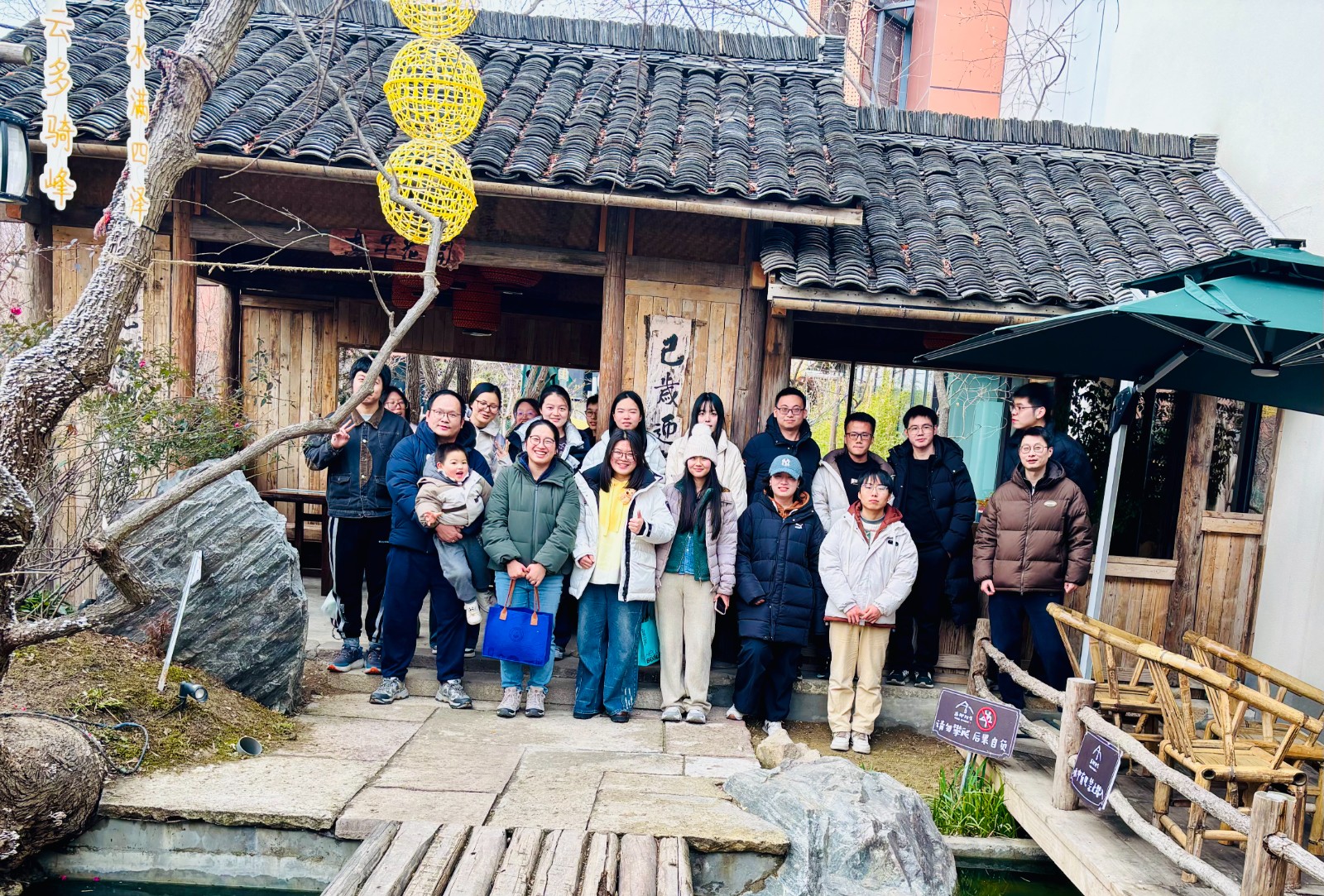
From January 27 to 29, 2026, the Young Scholars Workshop on Earth and Planetary Physics was held in Guangde, Xuancheng. Xiaorong Qin and Jimin Peng attended the meeting and delivered presentations, exchanging ideas with colleagues and mentors from across the community.
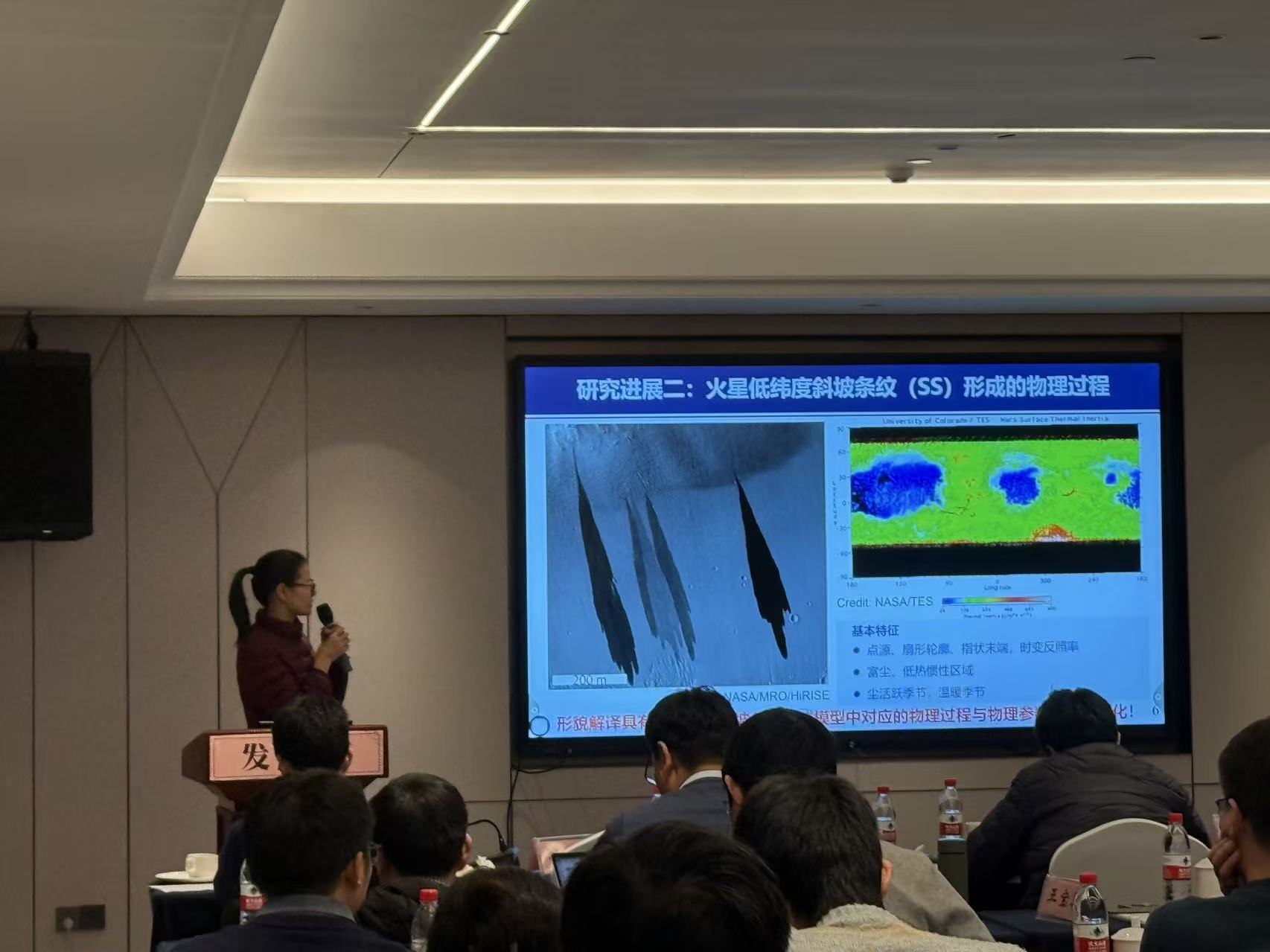
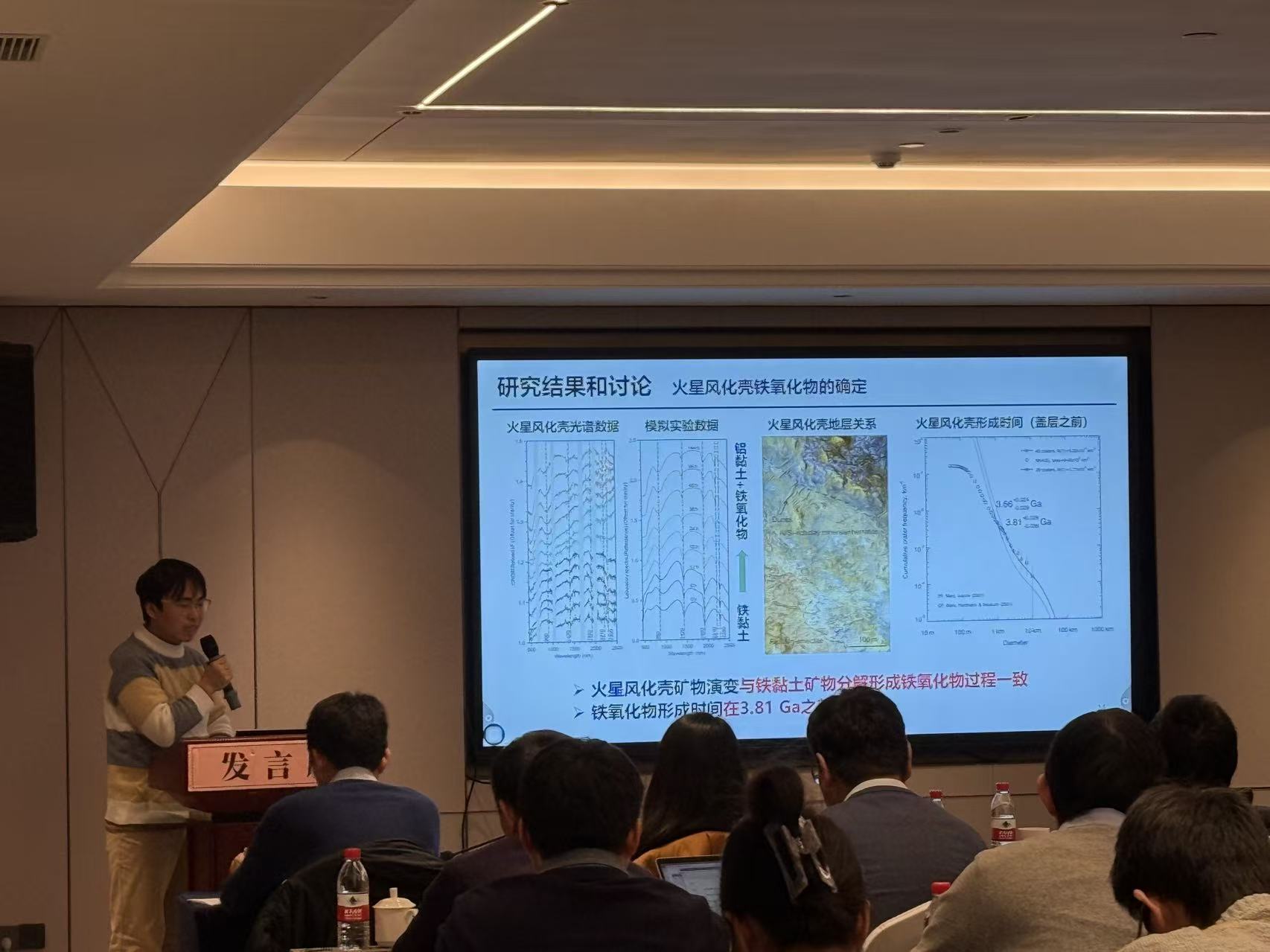
On January 27, 2026, Jianfei Liu successfully passed his PhD candidacy exam. The discussion provided many constructive suggestions from the committee and helped define new directions for his research. Congratulations, Jianfei! 🎉
From January 19 to 23, 2026, graduate students Yixin Sun and Tingjun Huang attended the Zhuhai Exoplanets Winter School. Through lectures covering planet formation, planetary atmospheres, and protoplanetary disks, they gained a foundational overview of current research on exoplanets.
From January 17 to 18, 2026, the Youth Geophysics Forum was held in Hefei. Lu Pan participated in the Planetary Physics session and engaged in discussions with faculty members and students.
On January 15, 2026, second-year undergraduate Zhouqi Zhang (Geophysics major) joined the group through the Undergraduate Research Program. Working with Xiaorong Qin, Zhouqi will analyze visible-wavelength spectral data to investigate the distribution of iron oxides on Mars and its potential implications for the Tianwen-3 Mars Sample Return Mission. Welcome, Zhouqi! 👏
From January 13 to 14, 2026, Xiaorong Qin and Guixin Xing attended the Third Science and Application Conference for the Tianwen-3 Mission, where they presented a poster on radiation estimates for candidate landing sites and participated in discussions on the progress of Mars geological mapping efforts.
On December 17, 2025, undergraduate researchers Haoyang Guo and Fanggang Li successfully completed the final defense of their Undergraduate Research Projects organized by the School of Earth and Space Sciences. During the defense, they presented their research outcomes and engaged in in-depth discussions with the evaluation committee. The experience helped them further develop their presentation skills and scientific thinking while receiving valuable feedback. Congratulations! 🎉


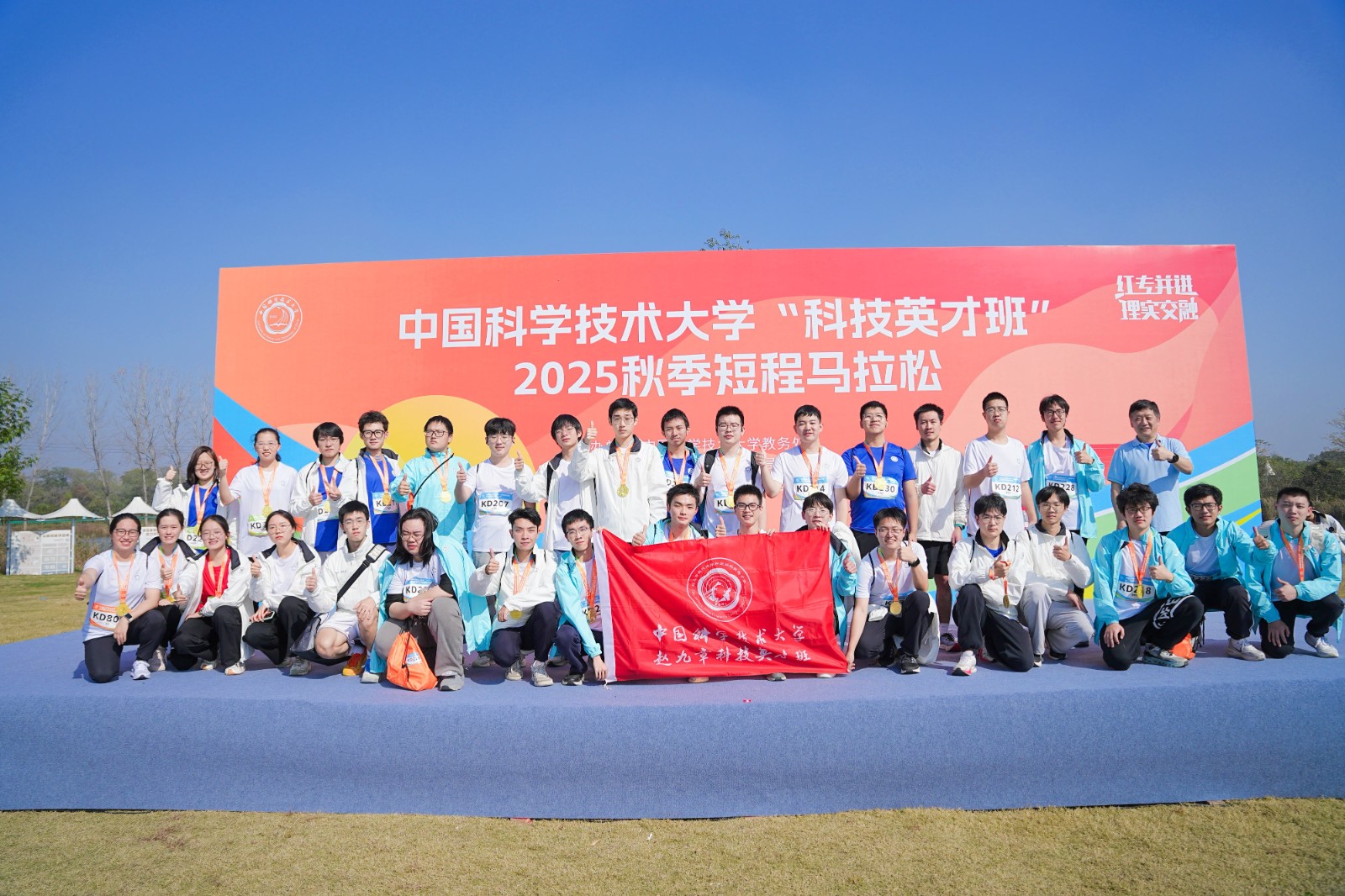
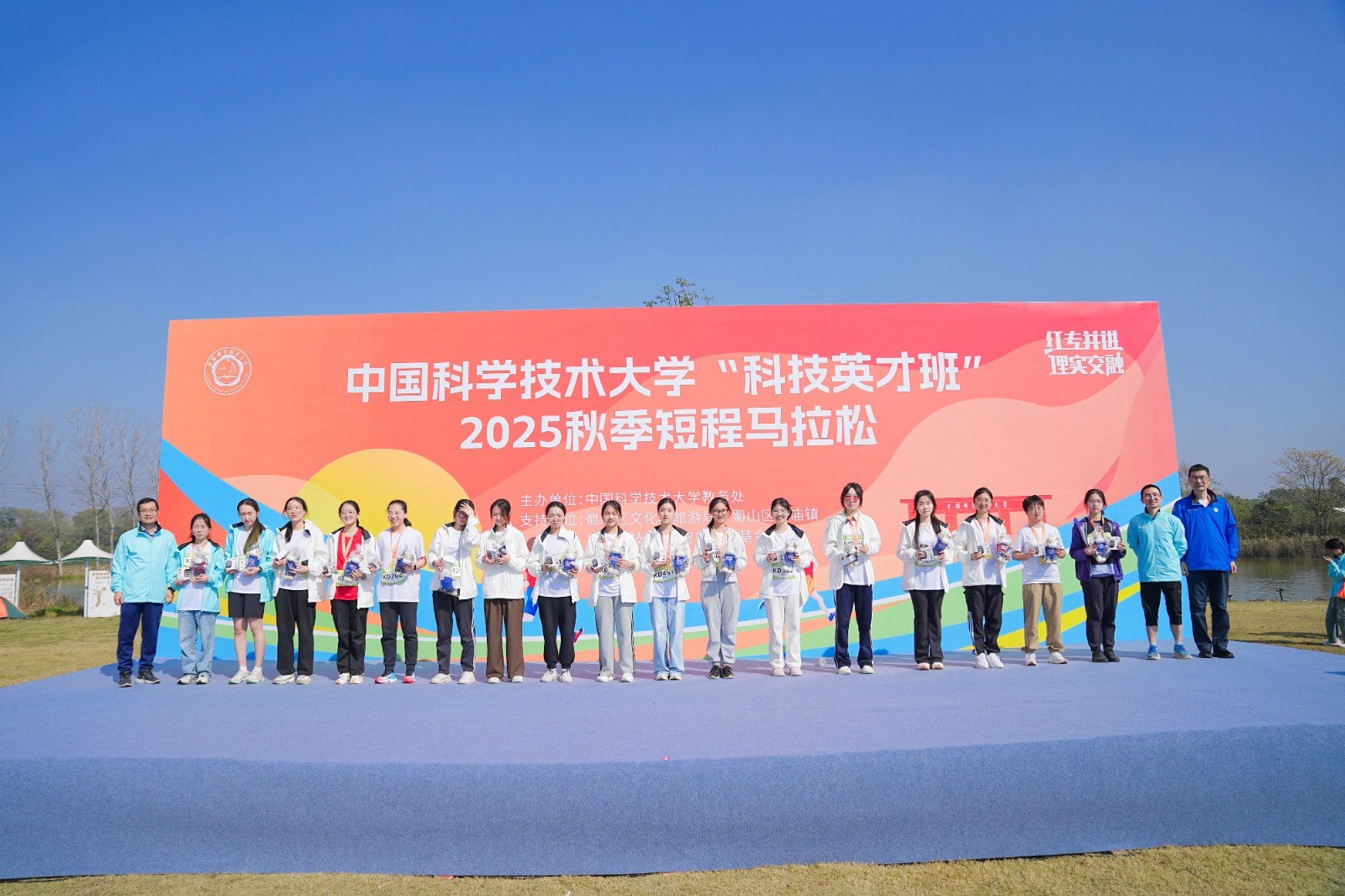
On November 15, 2025, the 2025 USTC “Science Talent Program” Autumn Short-Distance Marathon was held in the scenic Xiaolingnan area of the University of Science and Technology of China campus. Lu Pan participated together with more than 30 students from the Science Talent Program and the Strong Foundation Program, including Fanggang Li. With pleasant weather and beautiful scenery along the route, the participants enjoyed an energetic run through the vibrant landscape. All runners completed the race and received medals, and three female students placed in the top 20. The event promoted physical fitness, outdoor activity, and greater interaction among students.
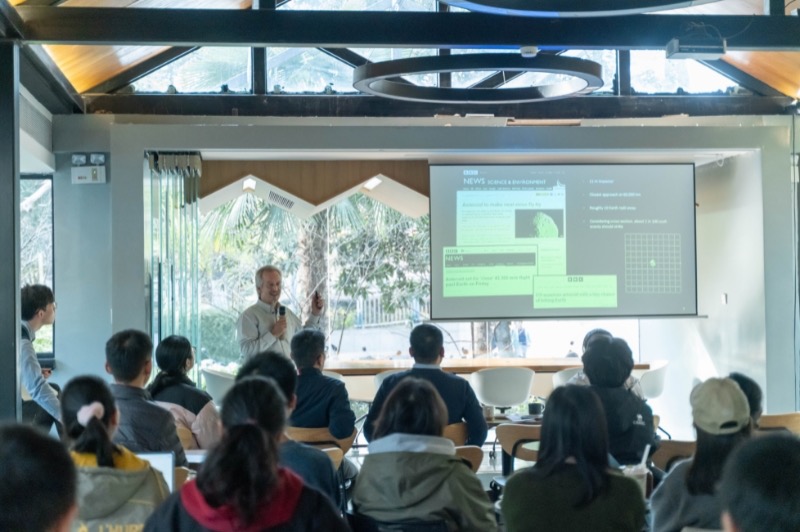
From November 12 to 14, 2025, Greg Michael, a researcher from the Institute of Geochemistry, Chinese Academy of Sciences, visited University of Science and Technology of China at the invitation of Lu Pan.
On November 13, during the Tiandu Salon hosted by the Deep Space Exploration Laboratory, Greg delivered a lecture on the crater size–frequency distribution method for planetary surface dating and recent developments in the field. Tiantian Liu from the Leibniz Institute for the Analysis of Biodiversity Change also gave an online presentation introducing her 3D spatiotemporal model of lunar crust structure and compositional evolution and its implications for constraining the Moon’s impact history. On November 14, Greg gave another lecture to students in the Earth and Planetary Physics program, introducing the usage of the latest version of the CraterStats software. Through these exchanges, students and faculty gained deeper insight into crater dating theory and the importance of robust analytical tools for advancing planetary science research.
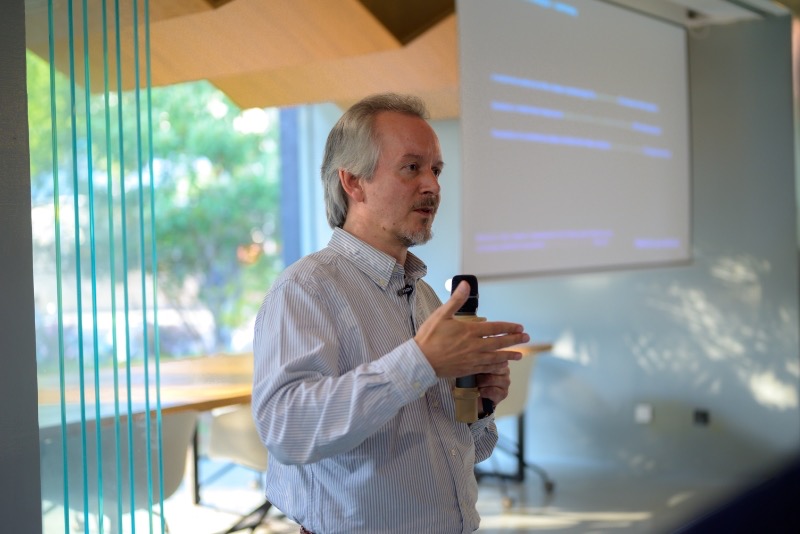
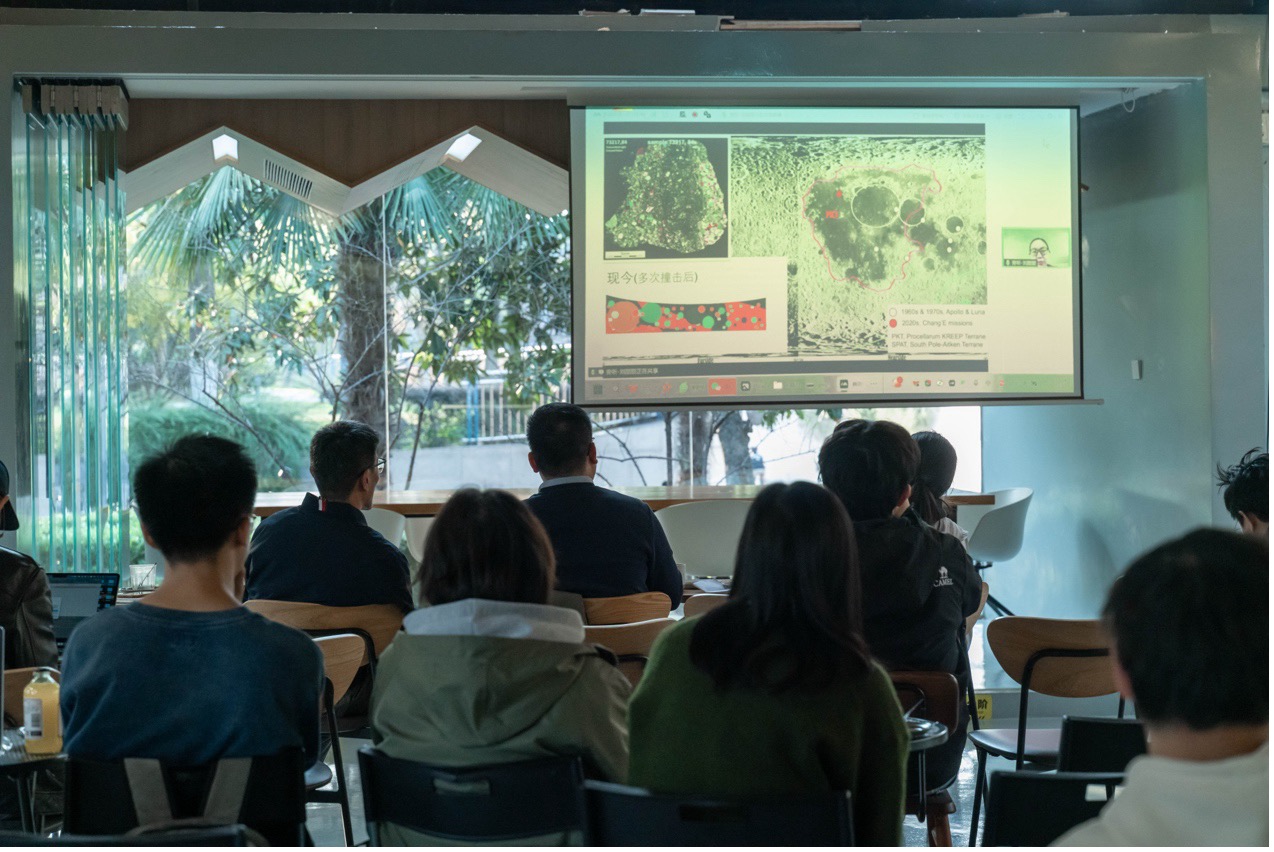
On November 5, 2025, the group participated in the kick-off meeting of the Innovative Research Group project “Planetary Radiation Environment.” The project leader Jingnan Guo introduced the objectives and research framework of the program. Undergraduate researcher Ruiqi Li presented his progress on his thesis project titled “SfM-based Terrain Modeling and Geological Feature Analysis from Mars Rover Visual Images.” The project aims to couple high-precision terrain models with radiation environment models in future studies. The meeting fostered interdisciplinary collaboration and provided valuable feedback for ongoing research.
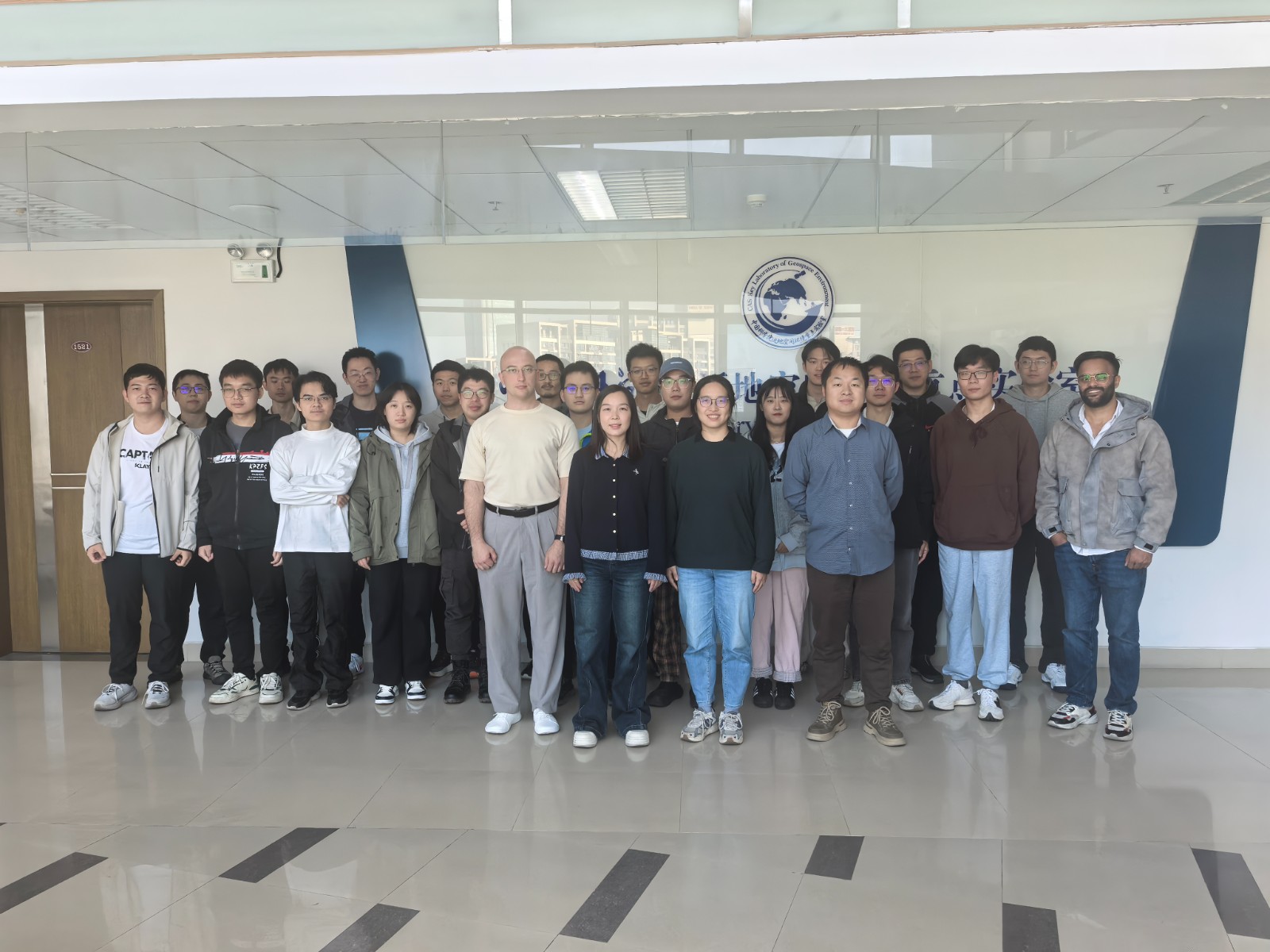
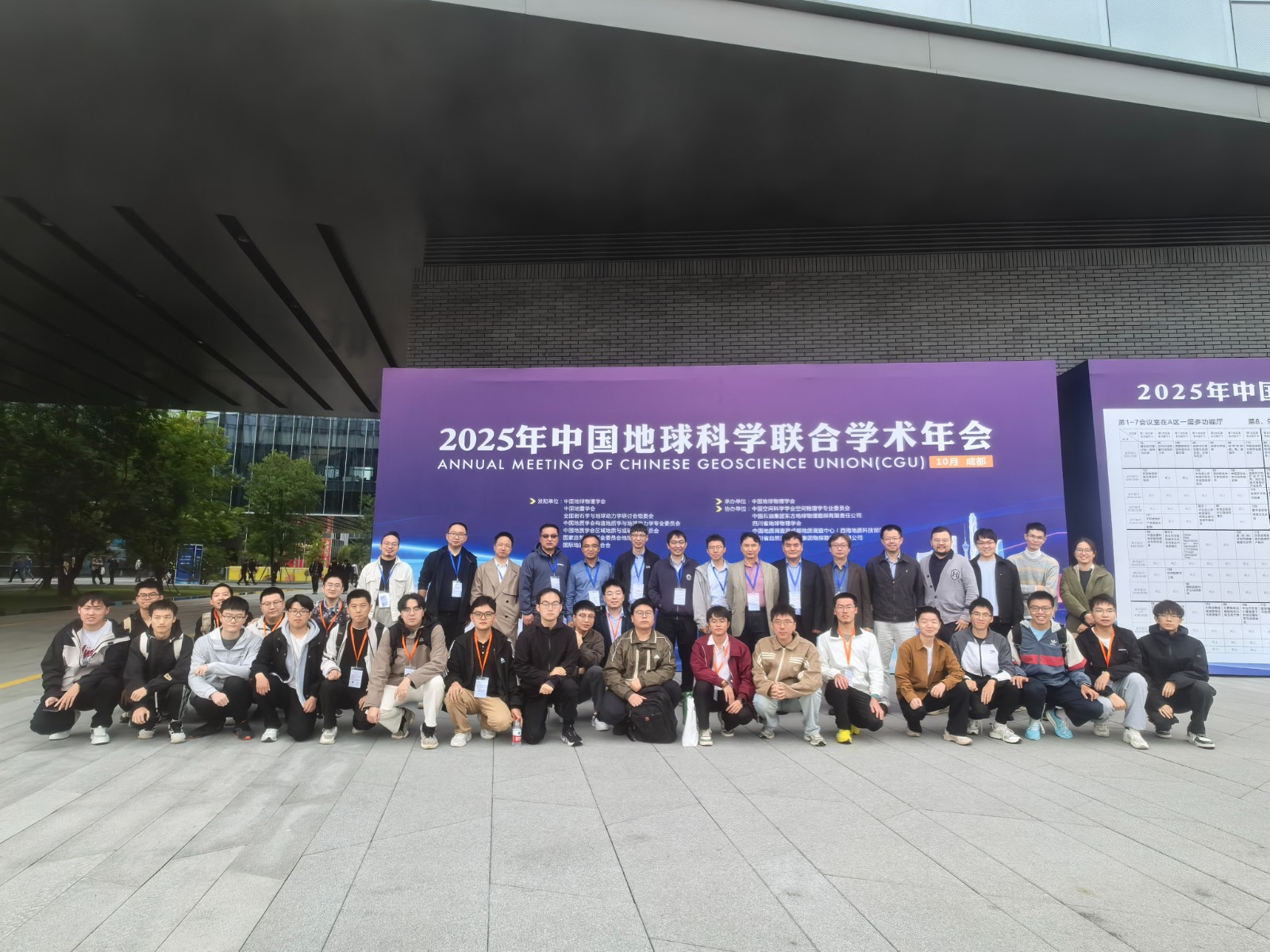
From October 18 to 22, 2025, Lu Pan and Fanggang Li attended the Chinese Geophysical Union Annual Meeting in Chengdu, where they reported progress on global geological mapping of Mars.
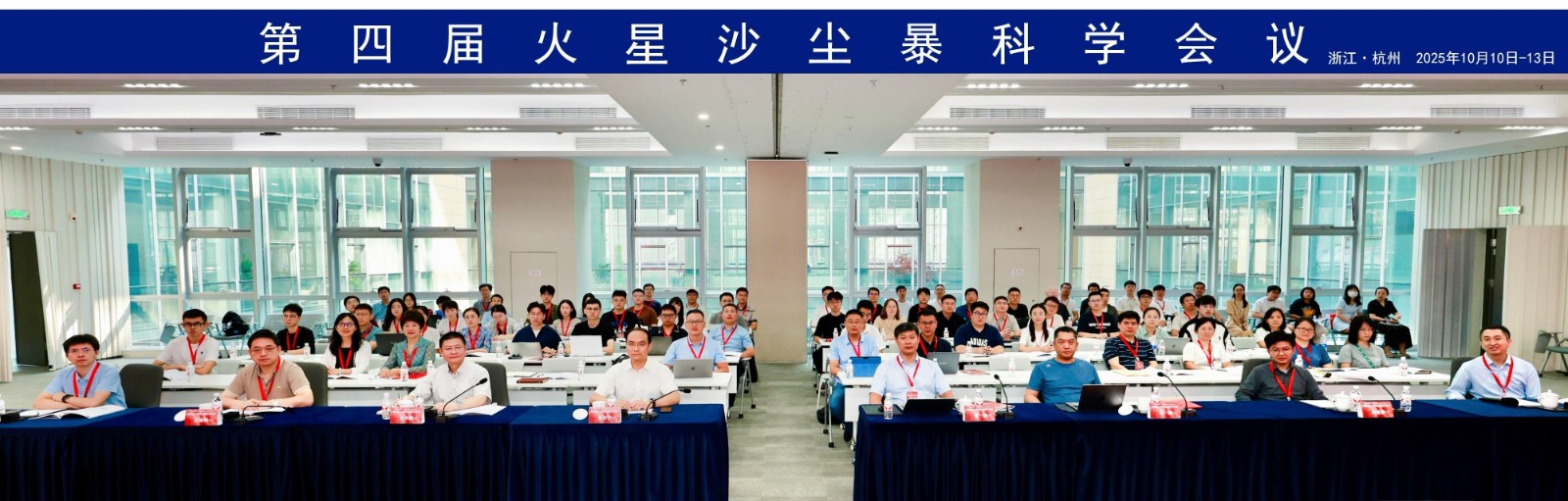
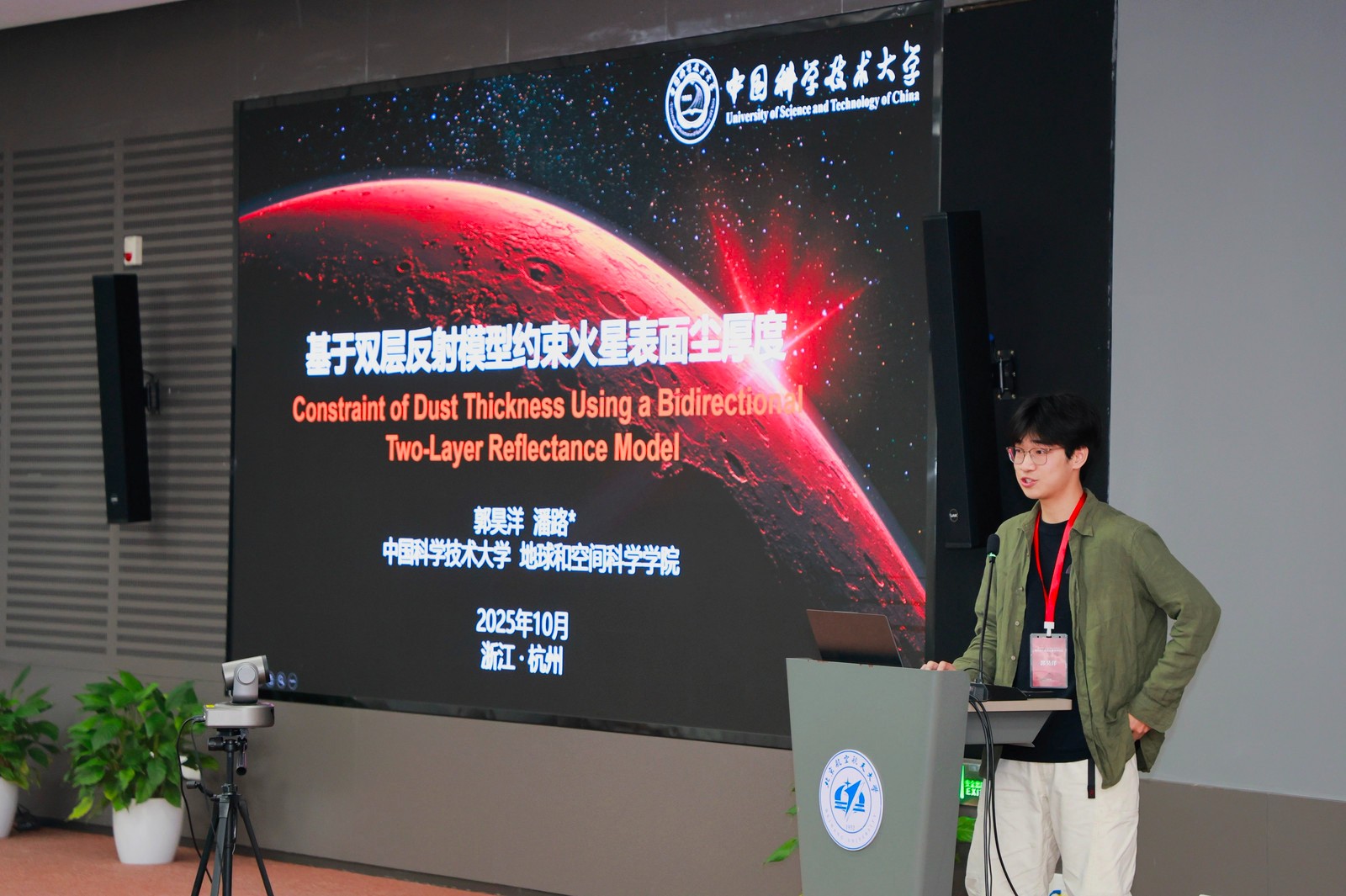
From October 11 to 13, 2025, undergraduate Haoyang Guo attended the Fourth Mars Dust Storm Science Conference in Hangzhou, where he delivered an oral presentation titled “Constraining Martian Surface Dust Thickness Using a Two-Layer Reflectance Model.” The presentation sparked fruitful discussions with researchers working on Martian dust processes.
On September 22–23, 2025, undergraduate Ruiqi Li officially began his bachelor’s thesis project, which aims to reconstruct high-resolution planetary surface topography using rover imagery data. Welcome, Ruiqi!
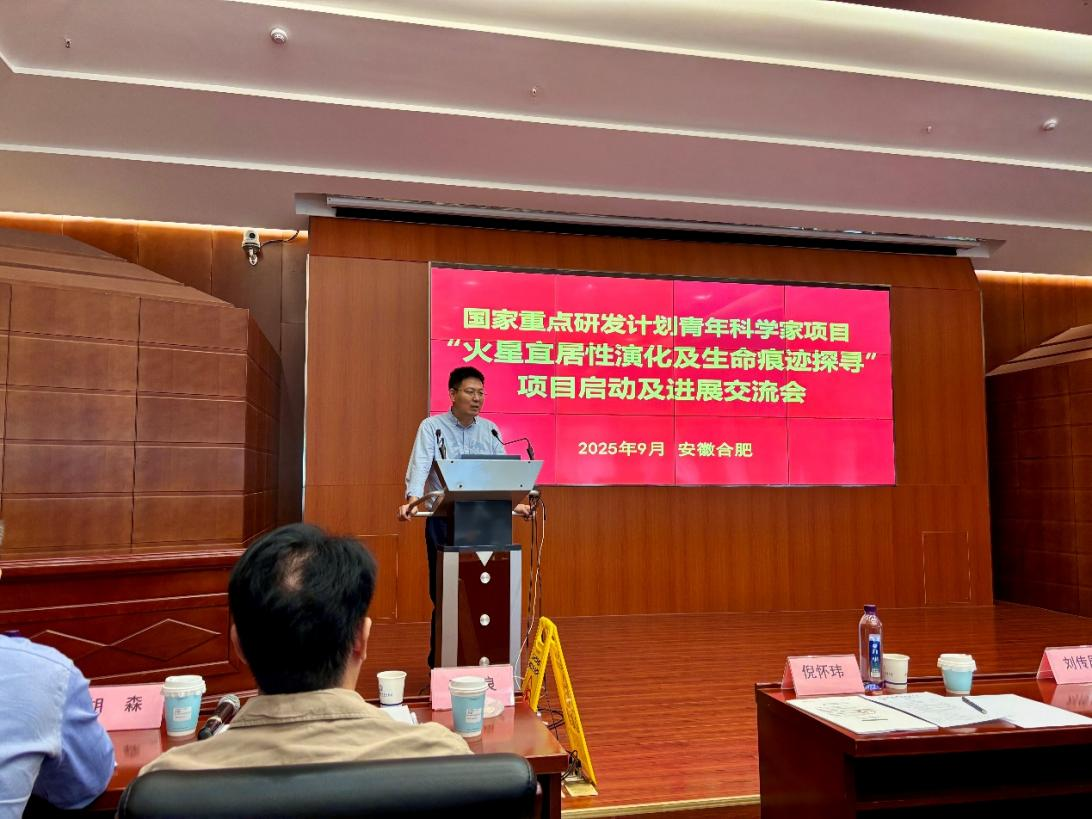
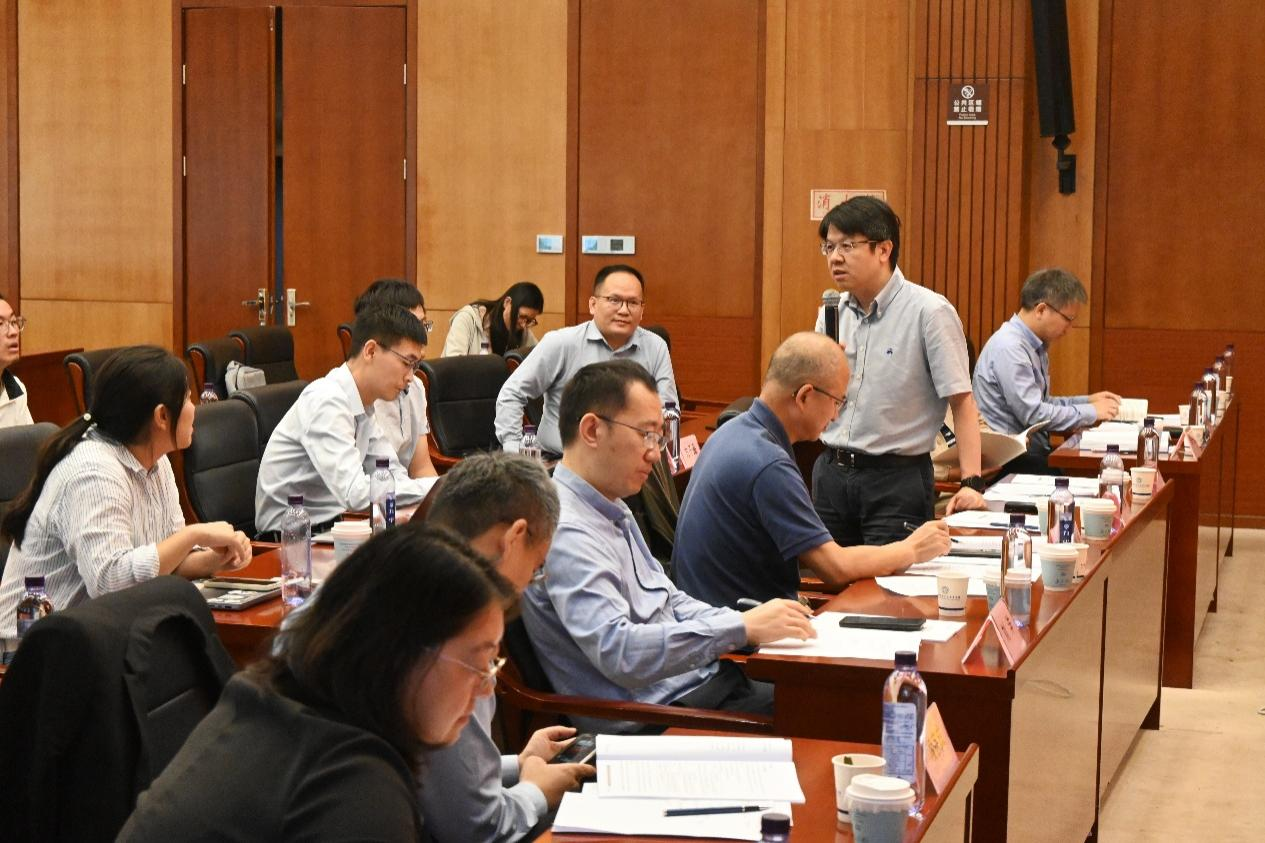
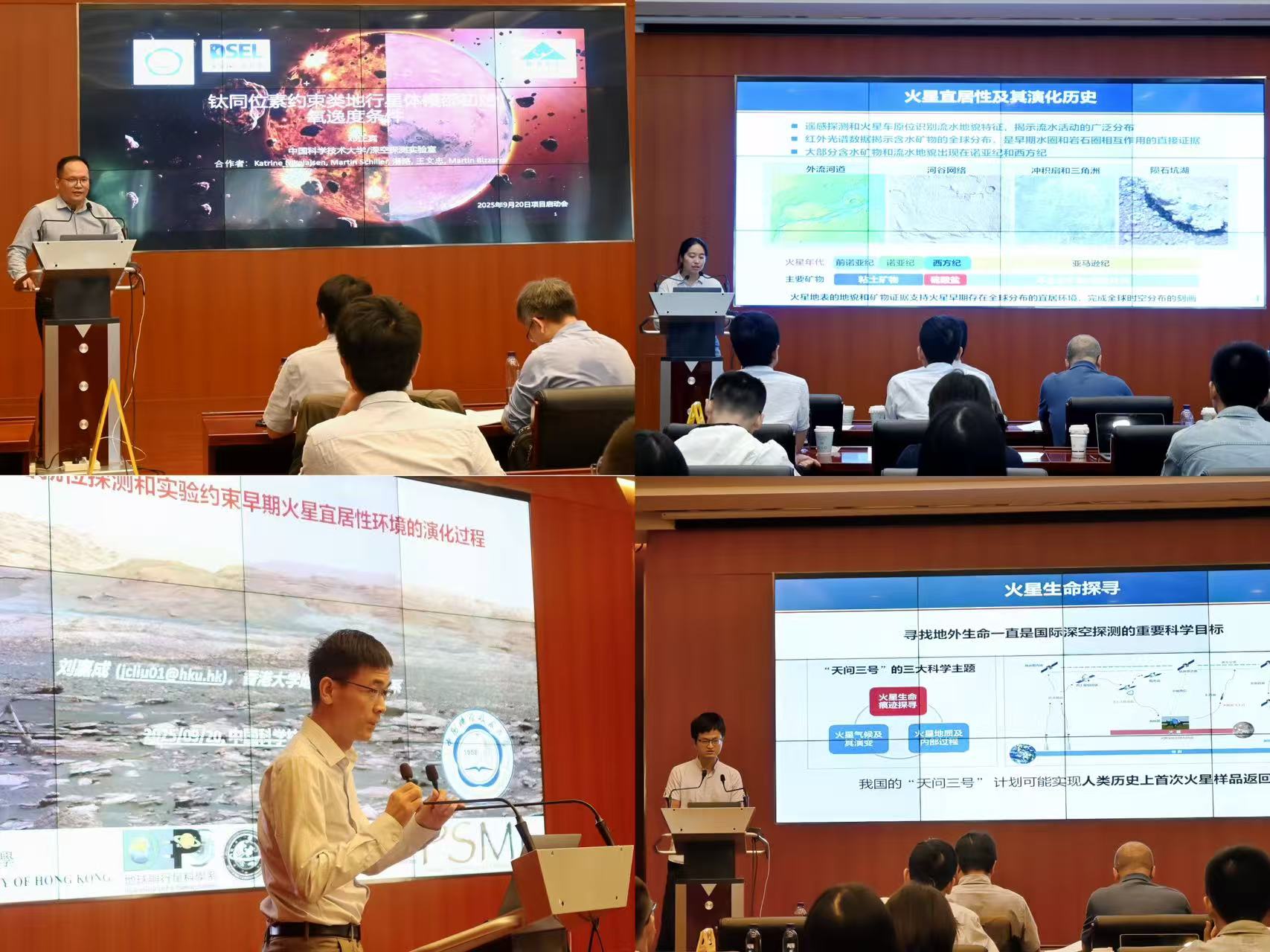
On September 20, 2025, the kick-off meeting for the National Key R&D Program Young Scientist Project, “Evolution of Martian Habitability and the Search for Biosignatures,” led by Lu Pan, was successfully held at the University of Science and Technology of China. More than 30 experts and collaborators attended the meeting, including scholars from the Institute of Geology and Geophysics, Chinese Academy of Sciences, China University of Geosciences (Wuhan), Shandong University, Chengdu University of Technology, The University of Hong Kong, and the National Space Science Center, Chinese Academy of Sciences. The meeting included project progress reports, expert evaluations, and thematic discussions. Experts provided valuable suggestions to ensure the successful implementation of the project and clarified future research directions.
On September 9, 2025, students in the course Comprehensive Field Practice of the Earth System (Alps field program) delivered their final course presentations, reporting on topics such as mineral and ore formation, ophiolite complexes, tectonic processes related to subduction and thrusting, fossil observations, and comparisons with seismic velocity profiles. The presentations demonstrated the students’ growth and learning during the field course.
From August 31 to September 5, 2025, new graduate students Tingjun Huang and Yixin Sun officially joined the research group. Welcome! 🎉
On August 25, 2025, graduate student Yukari Yanagi from Mie University visited the group and conducted spectral mixing experiments on magnesium sulfate tetrahydrate and siderite under the supervision of Xiaorong Qin. Welcome, Yukari!
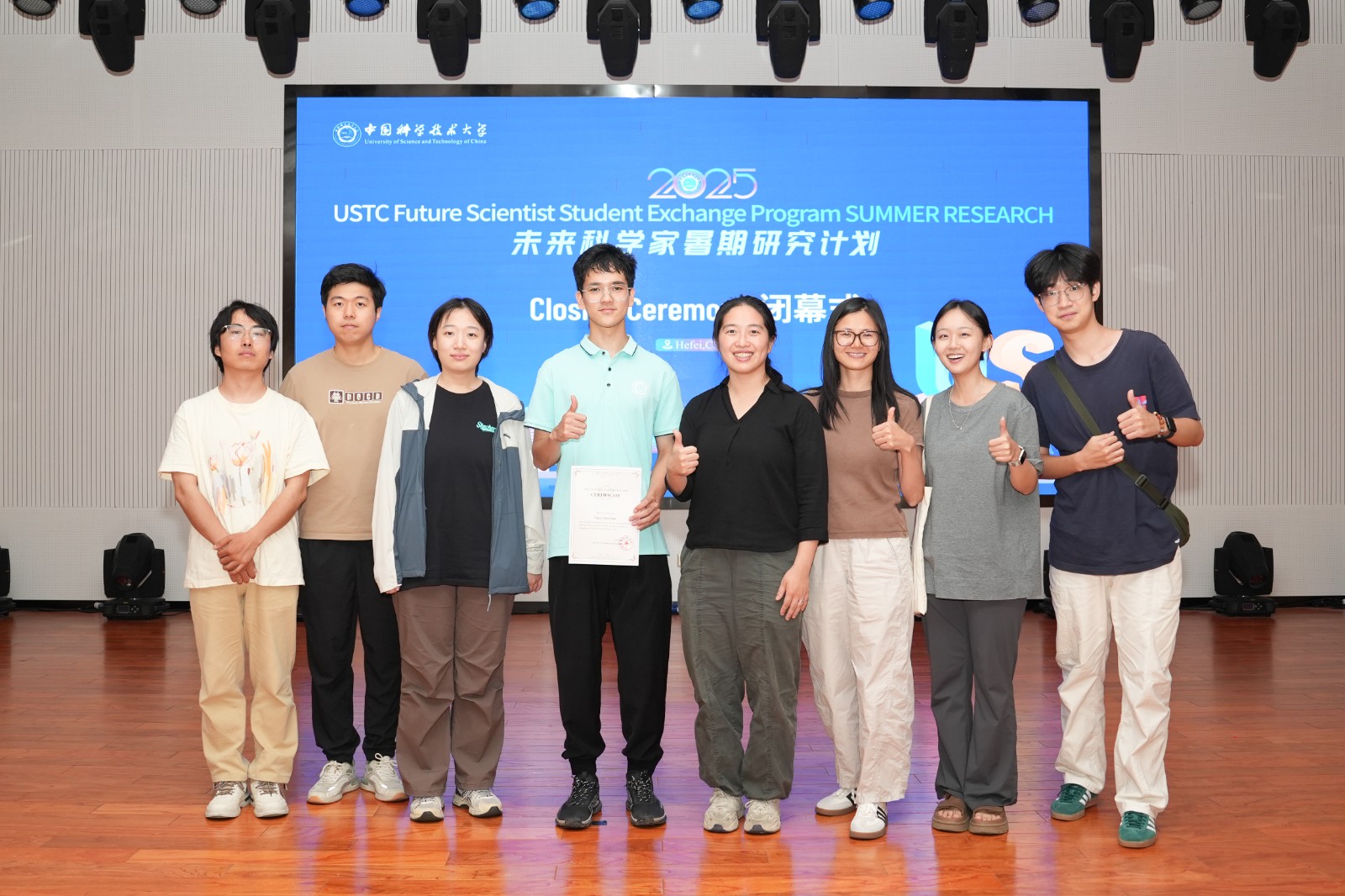
On July 28, 2025, the group attended the closing ceremony of the FuSEP Summer Exchange Program held at the West Campus Activity Center. Visiting student Tiger Fan from Queen’s University presented his research results from the exchange program in a poster session.
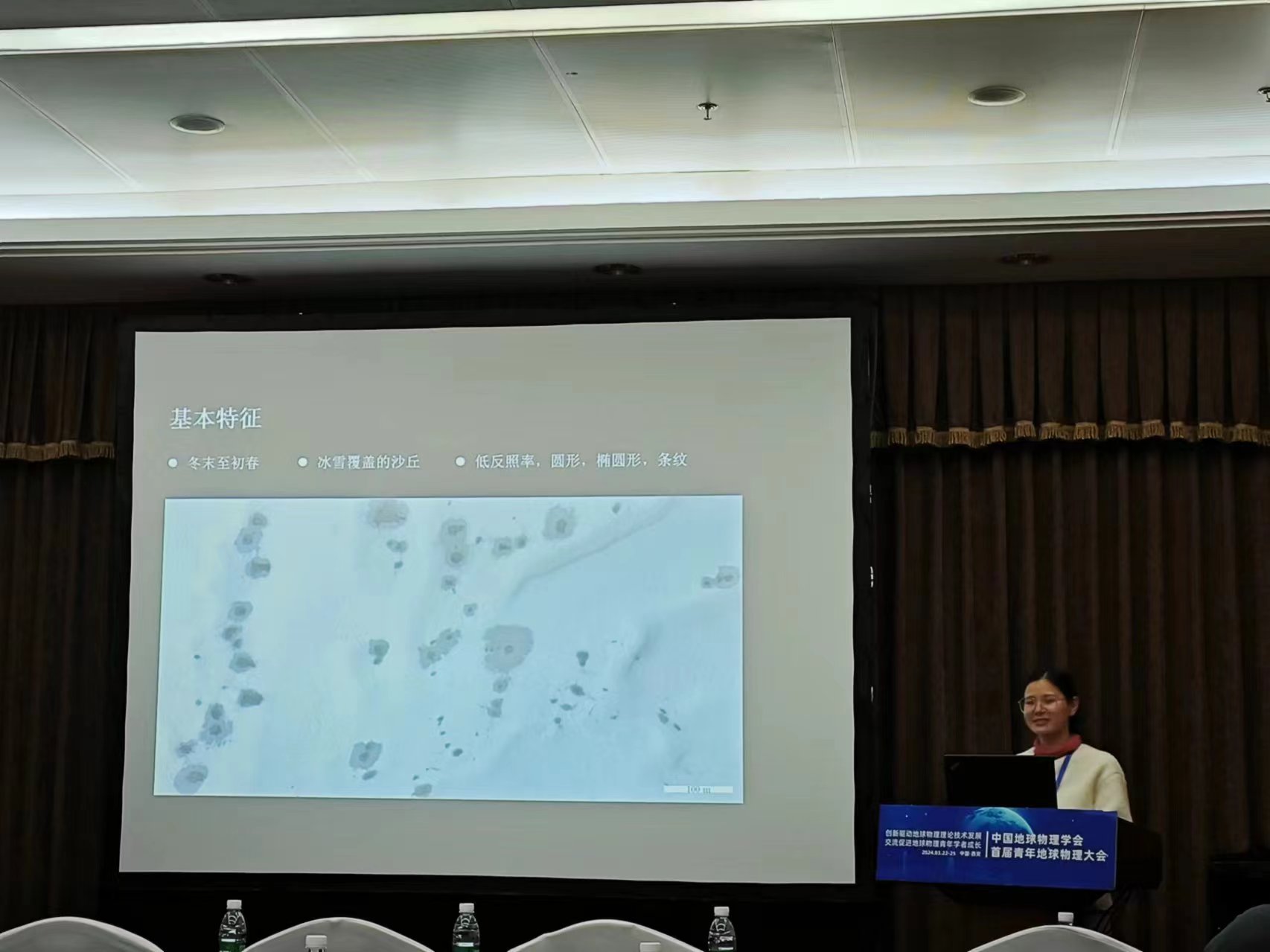
In July 2025, the research by Jimin Peng on Martian dark dune spots was accepted for publication in Journal of Geophysical Research: Planets after peer review. The study systematically investigates dark spots observed on frost-covered dunes in the Martian polar regions using high-resolution imagery and visible–near-infrared spectral data. The results reveal the presence of bright halos and bright cores associated with water-ice absorption features. By comparing thermal infrared observations with regional temperature variations predicted by global climate models, the study suggests that the evolution of these features requires the involvement of water ice, likely originating from ice buried beneath seasonal CO₂ frost and released through a solid-state greenhouse effect. These findings indicate that, contrary to earlier interpretations, the seasonal volatile cycle on Mars is not driven solely by CO₂, but also involves water ice beneath CO₂ deposits, highlighting its important role in the planet’s global volatile cycle.
From July 16 to 26, 2025, Xiaorong Qin and Guixin Xing participated in a Mars-analog field expedition in the Qaidam Basin organized by Professor Yiliang Li from the The University of Hong Kong. The team conducted sample and data collection along the Golmud–Lenghu–Huatugou route, focusing on environments that resemble Martian surface conditions.
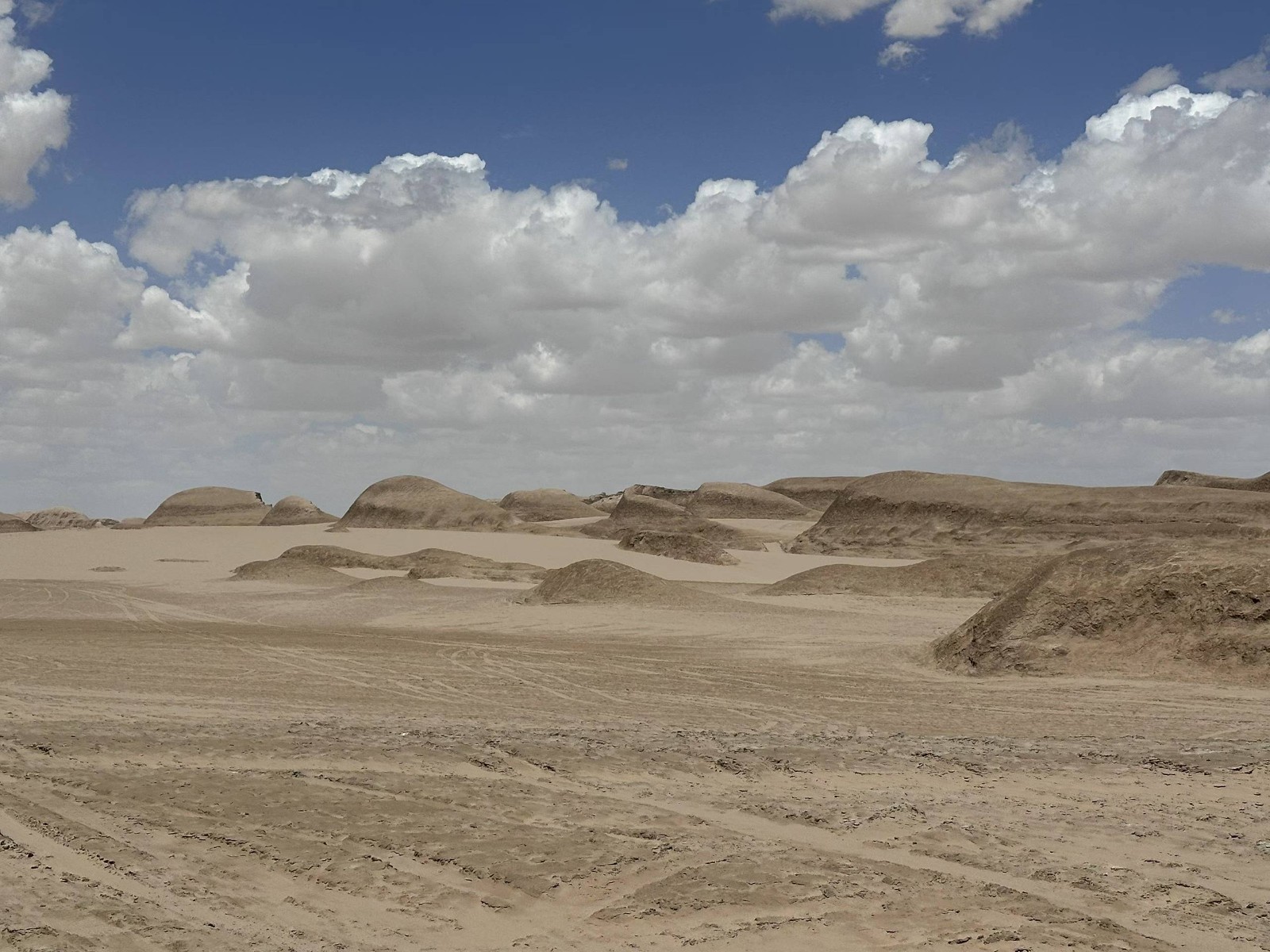
On July 20, 2025, coinciding with the Moon Day, Lu Pan was invited to deliver a science outreach lecture at the Anhui Science and Technology Museum titled “Stories Behind Chang’e’s Journey to the Moon and Zhurong’s Exploration of Mars.” The talk introduced the latest achievements of China’s lunar exploration and planetary exploration programs to more than 200 elementary school students and their parents.
From July 7 to 15, 2025, Lu Pan delivered the theoretical lectures for the English section of the course “Comprehensive Field Practice of the Earth System” (also known as the School of Earth and Space Sciences’ Alps Field Program). Guest lectures were also given by Yixiao Sheng, Yufei Zou, Zhengbin Deng, and Chu Xu from the University of Toronto. Within one week, the course covered a broad range of topics including mineralogy and petrology, paleontology, structural geology, geophysics, atmospheric science, field geology, and the tectonic evolution of the Alps. Through field assignments and presentations, students became familiar with many professional terms in English while also demonstrating strong abilities in learning and scientific exploration.
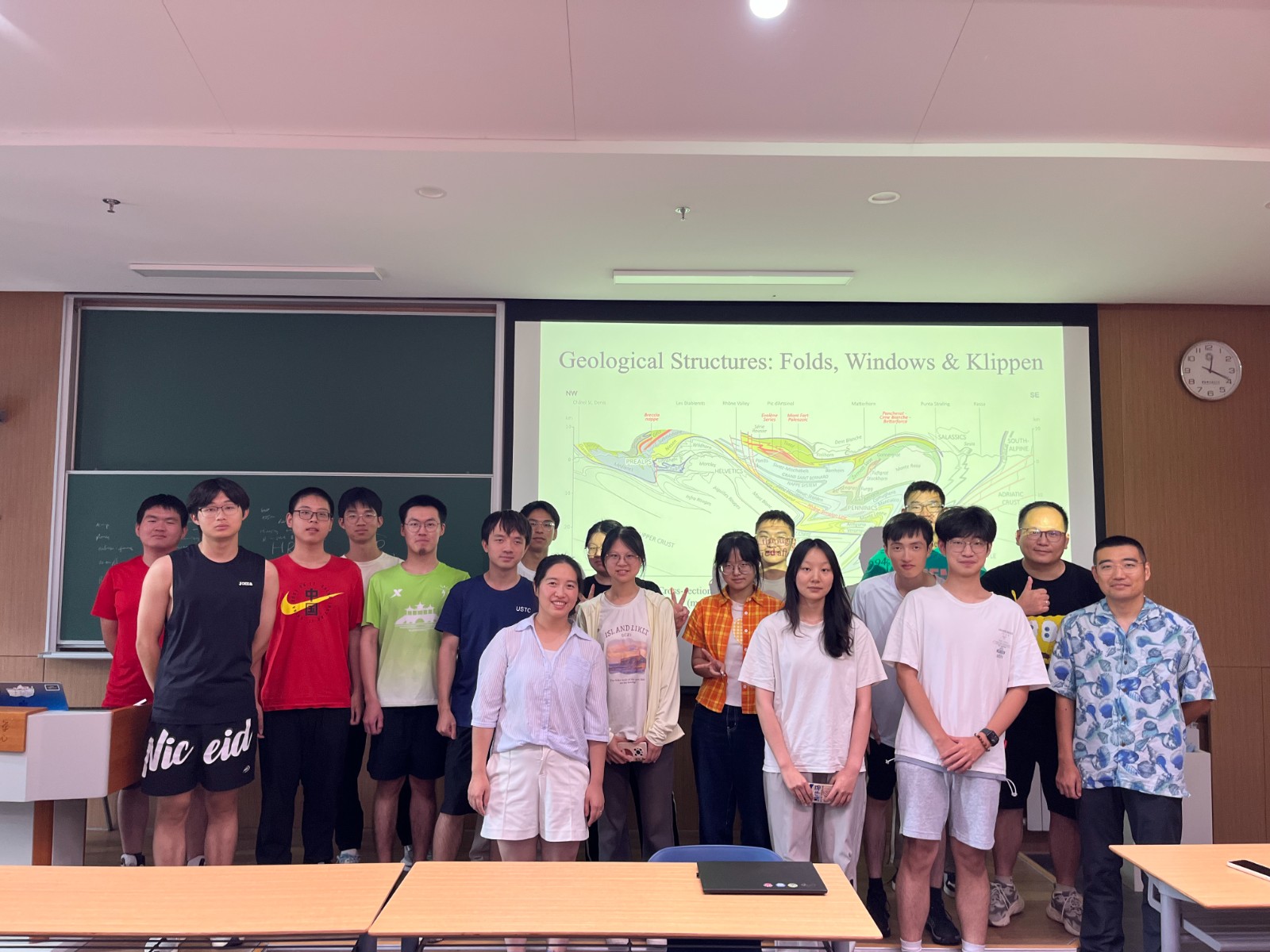
Group photo after the completion of the theoretical lectures of the Alps field course.
On July 14, 2025, Jimin Peng attended a workshop on Mars geological mapping organized by the Chinese Academy of Geological Sciences, where participants discussed and shared progress on compiling Mars geological maps for China’s planetary science community.
From June 26 to 30, 2025, incoming student Yixin Sun (Class of 2025) arrived on campus for a summer study program. Tiger Fan, a sophomore student from Queen’s University, also arrived at University of Science and Technology of China to participate in a summer exchange program. Welcome Yixin and Tiger!
From June 22 to 26, 2025, Yunwan Tao represented the group in a planetary science field training program organized by Peking University, visiting lava tubes at Jingpo Lake. (See the news report for details.)
On June 19, 2025, the final presentations for the freshman undergraduate course Science and Society in the School of Earth and Space Sciences were held, organized by Lu Pan. Jimin Peng, Xiaorong Qin, Jianfei Liu, and Haoyang Guo joined the discussion session. Students conducted in-depth research on topics including asteroid defense strategies, the construction of future Mars bases, and the allocation of scientific research funding in China. They delivered engaging presentations and shared their insights and reflections on these topics.
On the evenings of June 9, 11, and 14, 2025, Lu Pan represented the University of Science and Technology of China School of Earth and Space Sciences in the 3rd Mixed Volleyball Tournament. After advancing from the group stage and narrowly defeating the School of Physics, the team reached the top four for the first time. In the semifinals they lost to the School of Biomedical Engineering (19:21, 22:24). In the third-place match against the Central District of the USTC Affiliated Hospital, the team fought back to level the match after losing the first set, but ultimately lost the deciding set 13:15, finishing fourth overall. The matches featured many exciting rallies and closely contested scores. The team showed significant improvement and achieved the best result in the department’s history. Looking forward to next year!
On June 7, 2025, group members Lu Pan and Jianfei Liu participated in the faculty–student badminton tournament organized by the School of Earth and Space Sciences. Lu partnered with Yan Shen in the women’s doubles (faculty division) and won second place. Jianfei partnered with Guangcan Liu in the mixed faculty–student men’s doubles, finishing with one win and two losses in the group stage. The participants enjoyed the competition and the opportunity to stay active through sports.
On June 6, 2025, Lu Pan and Jimin Peng traveled to China University of Geosciences (Wuhan) to attend a project coordination meeting for Tianwen‑3 Mars Sample Return Mission landing site selection. Yixin Sun attended the meeting as an observer. Lu presented the group’s recent work (by Jimin Peng, Yunwan Tao, and Jianfei Liu) on the quantitative reconstruction of paleoclimate layers in Gale Crater.
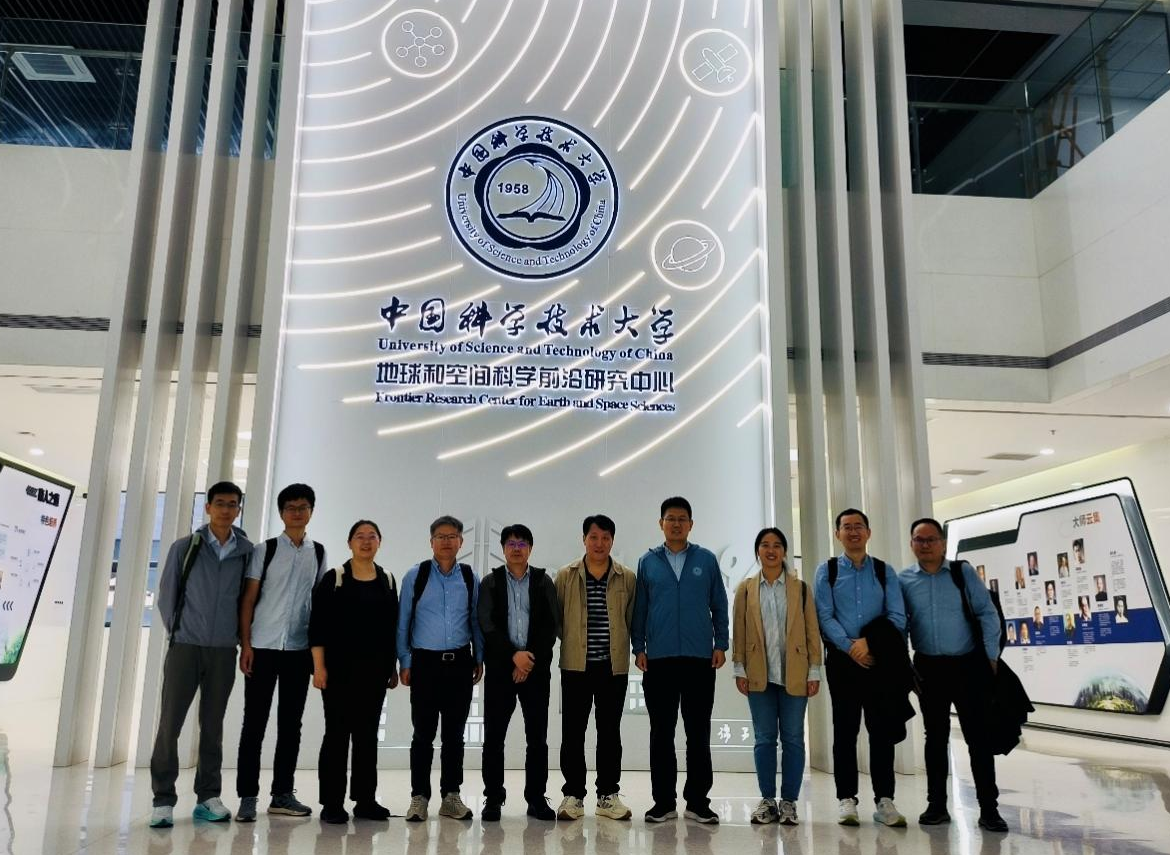
On June 5, 2025, freshman undergraduate students from the School of Earth and Space Sciences visited the Frontier Research Center for Earth and Space Sciences. Group members Xiaorong Qin, Guixin Xing, Jianfei Liu, Yunwan Tao, and Haoyang Guo prepared posters and demonstrations in the Planetary Surface Processes Laboratory, showcasing planetary topography reconstruction and spectral mineral identification. These demonstrations helped students gain a deeper understanding of the field and inspired greater interest in Earth and planetary sciences.
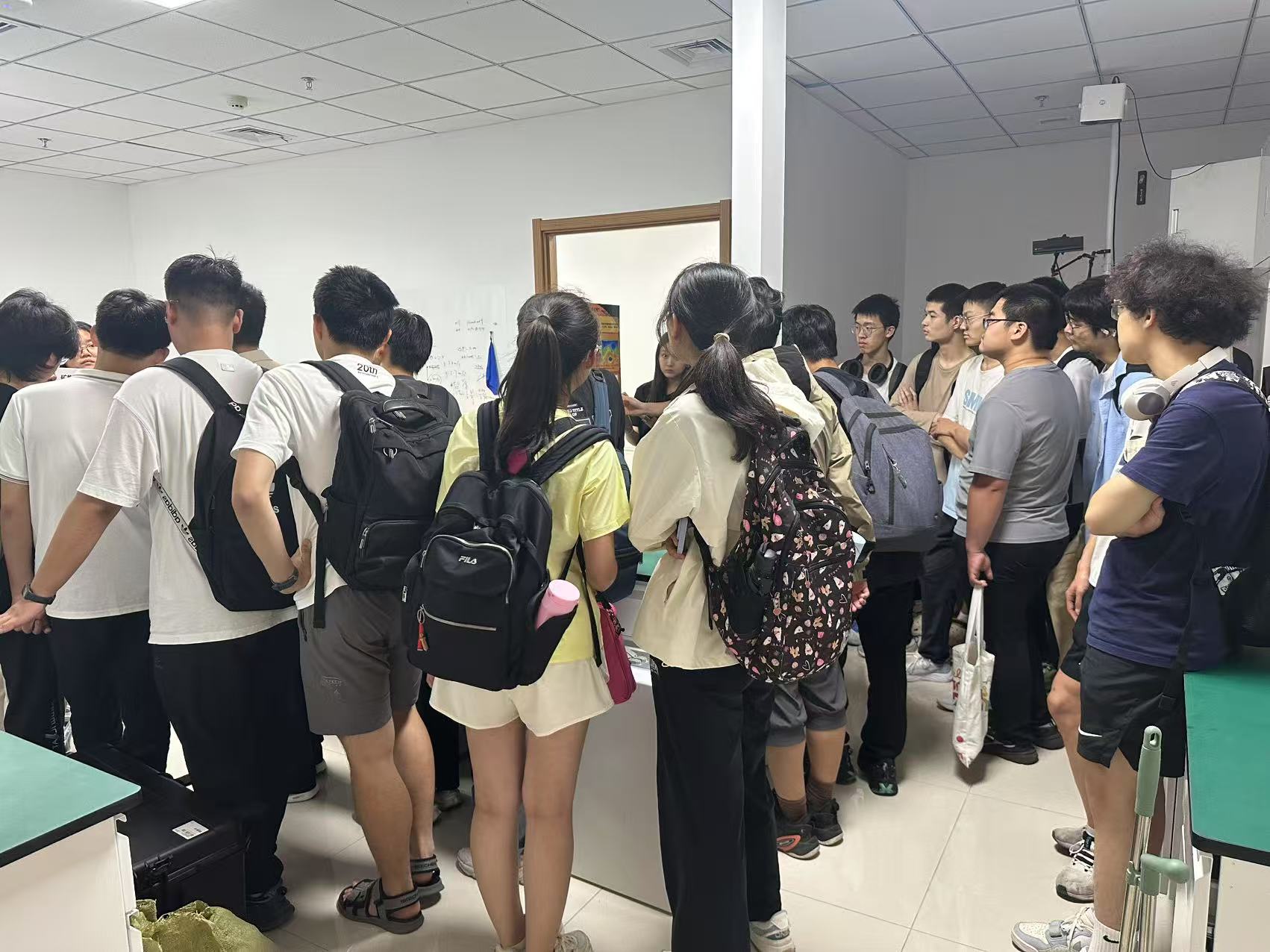
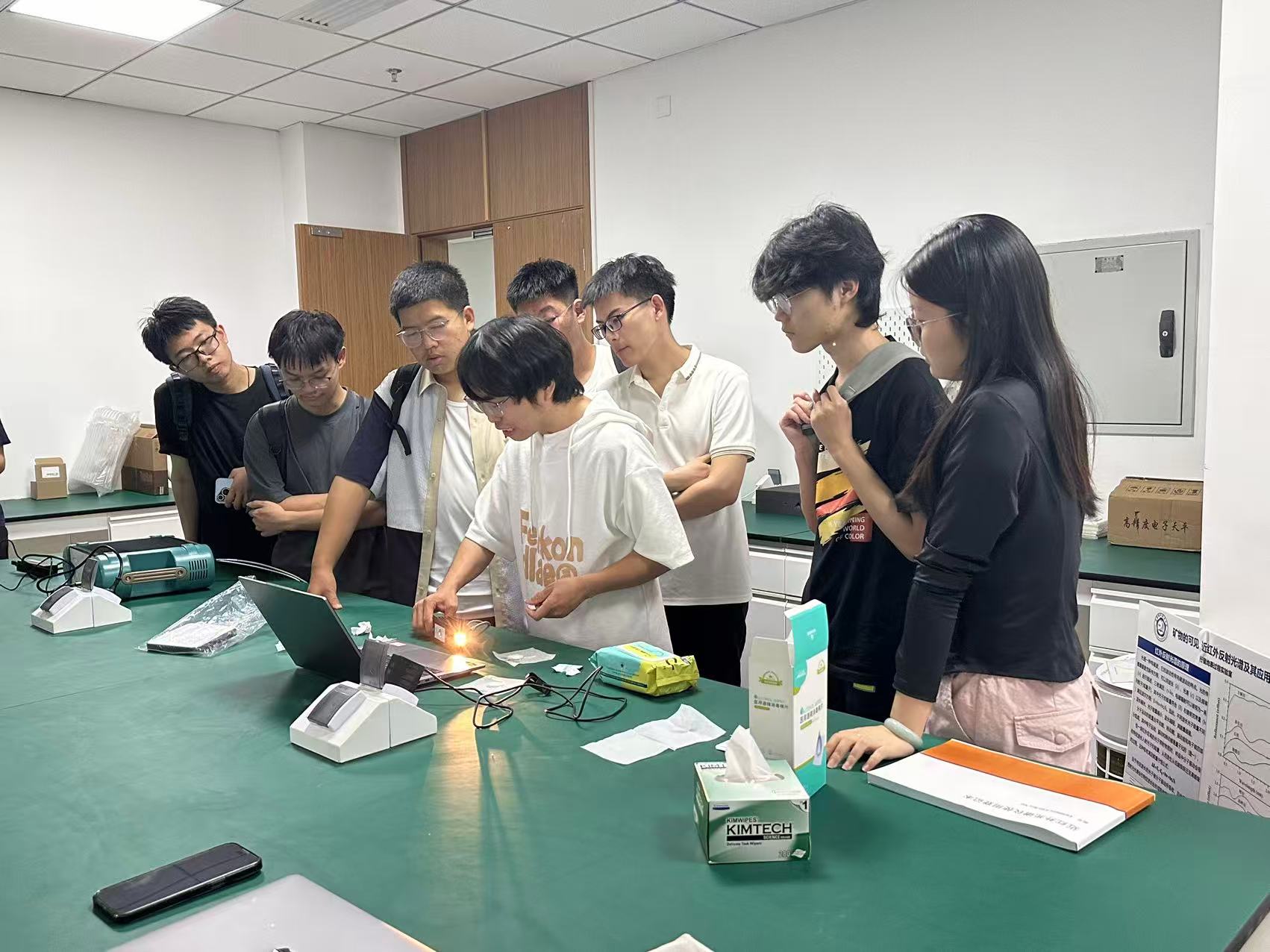
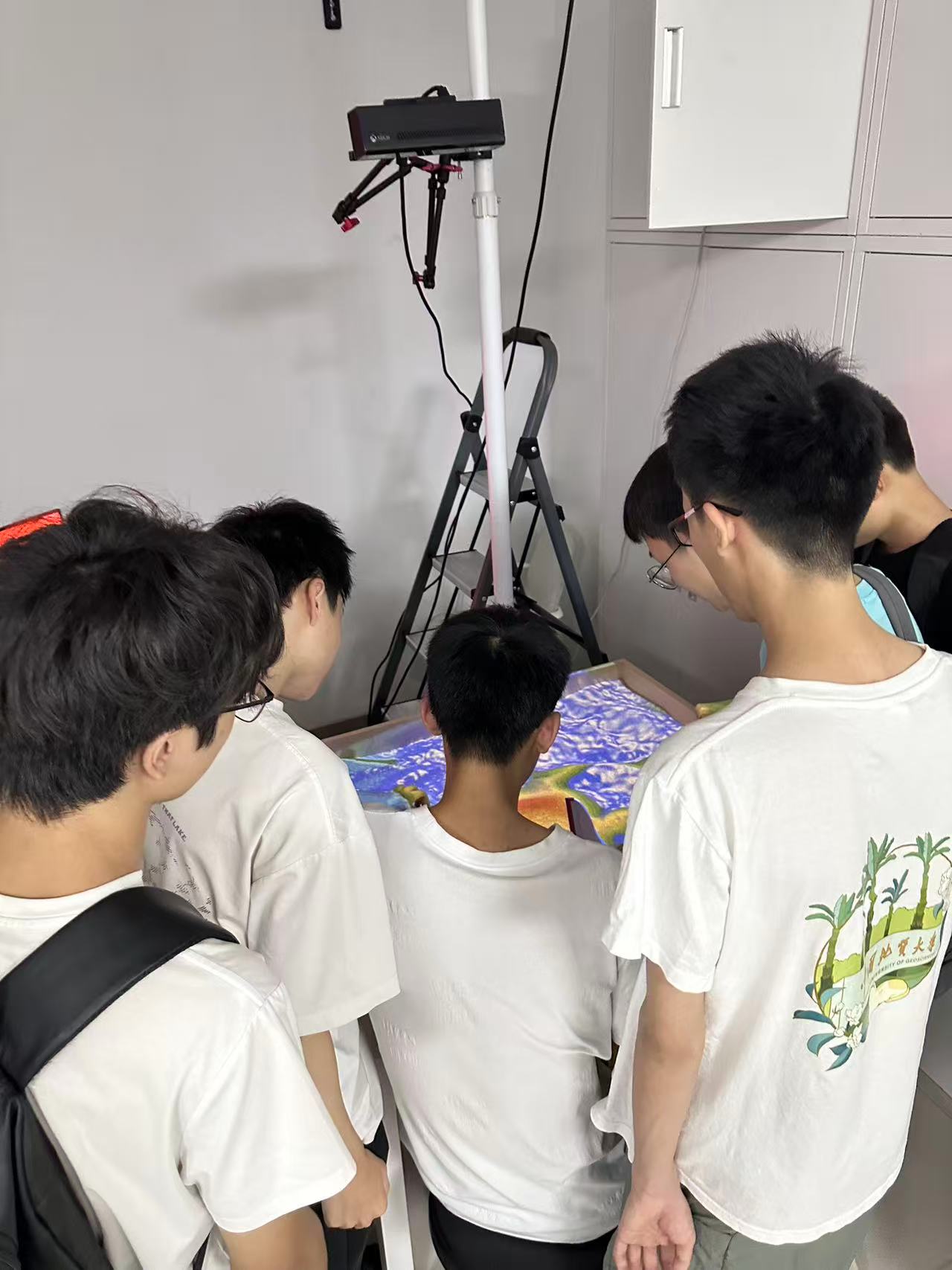
Photos: Freshman undergraduate students visiting the laboratory.
On June 3, 2025, Yixin Sun and Tingjun Huang each successfully completed their undergraduate thesis defenses at their respective universities, marking the final milestone of their undergraduate studies. Congratulations! 🎉
On May 28, 2025, Guixin Xing and Jianfei Liu participated in the First Graduate Poster Forum in Earth and Planetary Physics, where more than fifty students presented their research. They engaged in lively discussions with fellow students and faculty members, sharing their work and exchanging ideas. The forum attracted enthusiastic participation and provided an excellent platform for discussing scientific frontiers and inspiring new research directions.
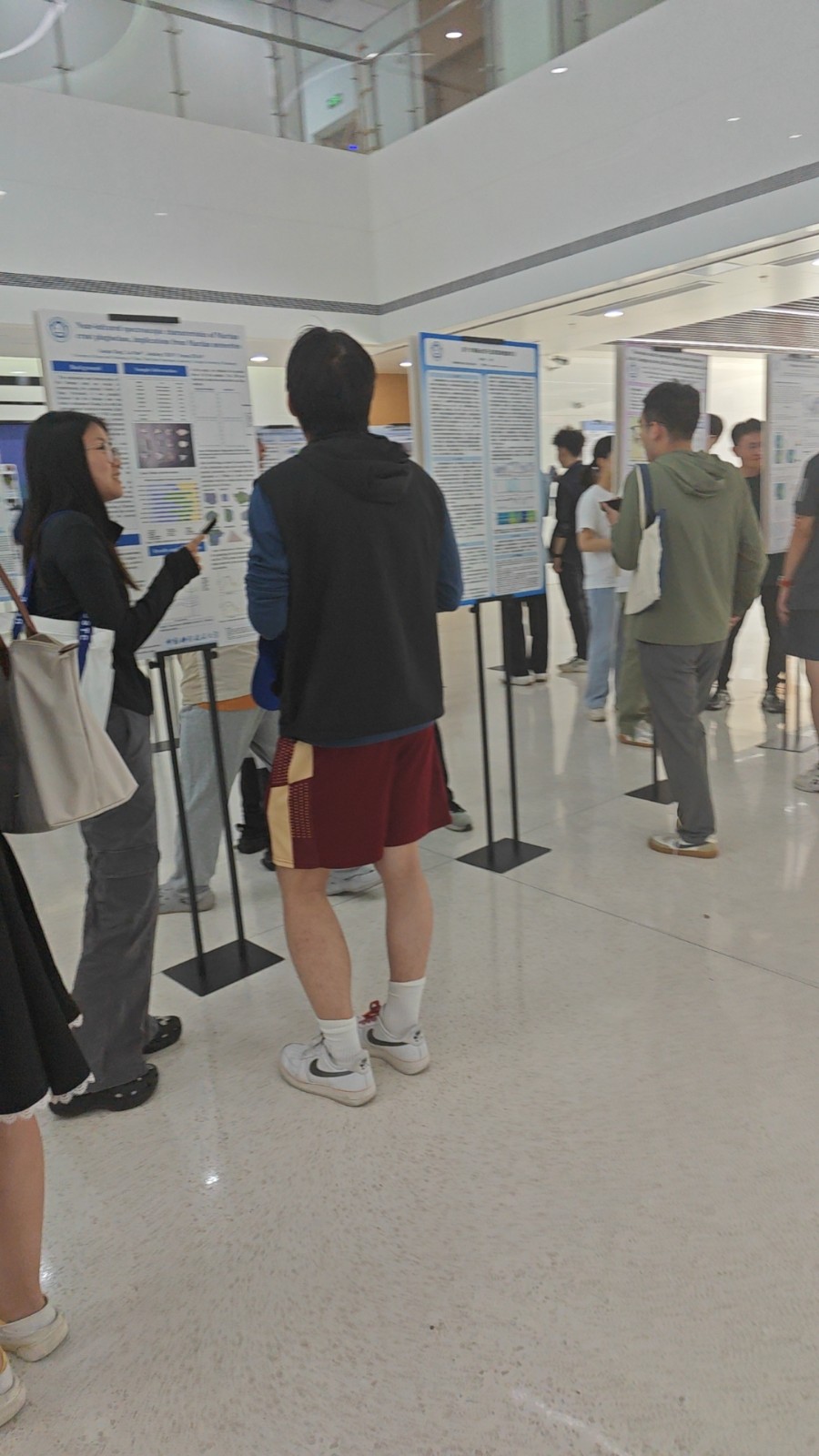
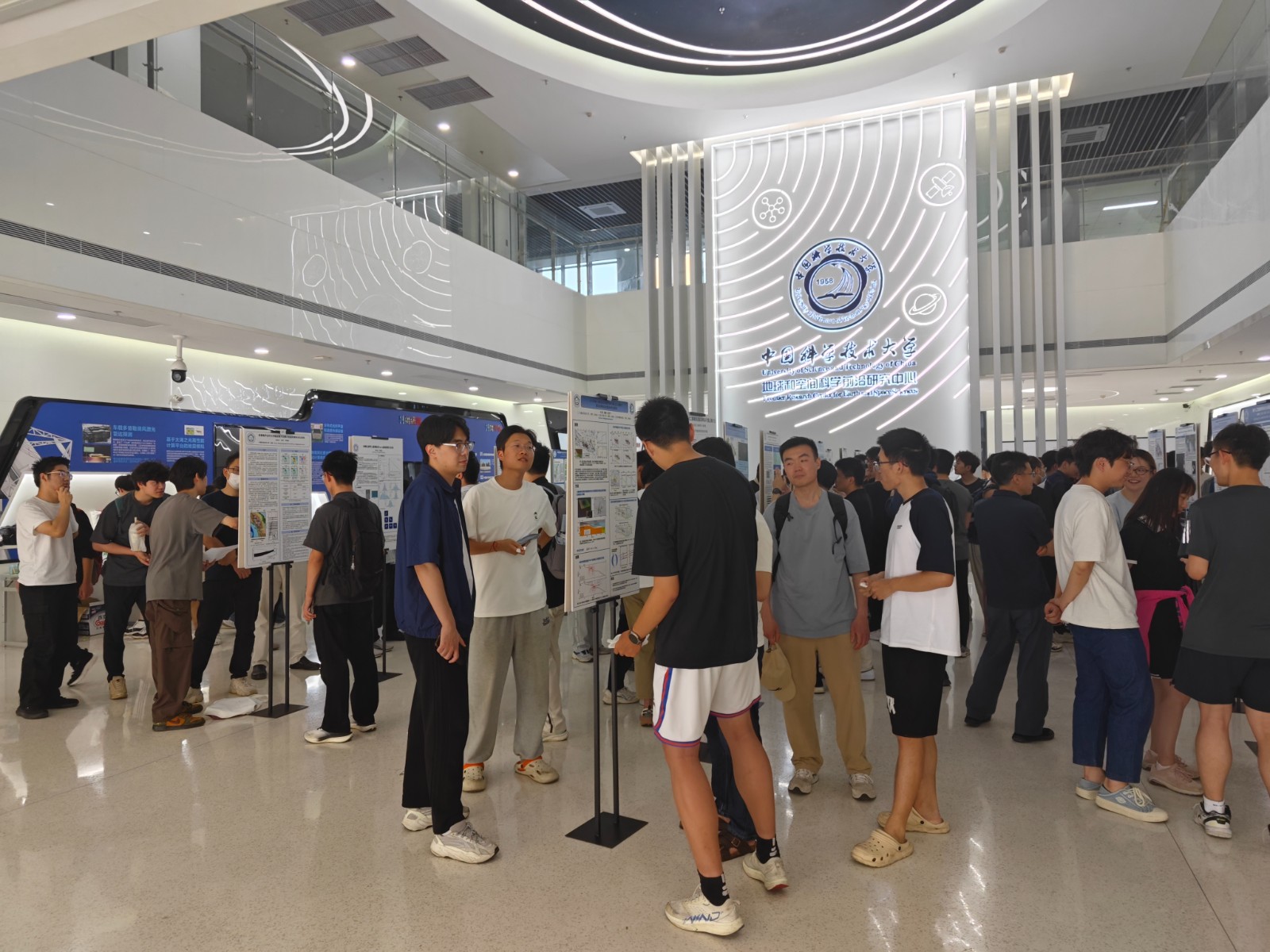
Snapshots from the lively poster forum.
On May 17, 2025, the research group participated in outreach activities during the Science and Technology Week of the University of Science and Technology of China. Guixin Xing assisted Professor Wen Jian in coordinating the geophysics exhibition activities, while Jianfei Liu hosted a livestream science outreach session introducing rocks and mineral samples. All group members participated in the event, contributing to public science education.
On the same day, Lu Pan led students from the Science and Society course to visit the Frontier Research Center for Earth and Space Sciences. From the B1 level to the third floor, the group toured several laboratories including the High-Pressure and High-Temperature Physics Laboratory, the Terrestrial Planet Formation and Evolution Isotope Laboratory, the Metal Stable Isotope Laboratory, the Astrobiology Laboratory, the Planetary Atmospheric Chemistry Laboratory, and the Planetary Surface Processes Laboratory. The explanations from graduate students and faculty members provided the visiting students with new perspectives and a deeper appreciation of scientific research.
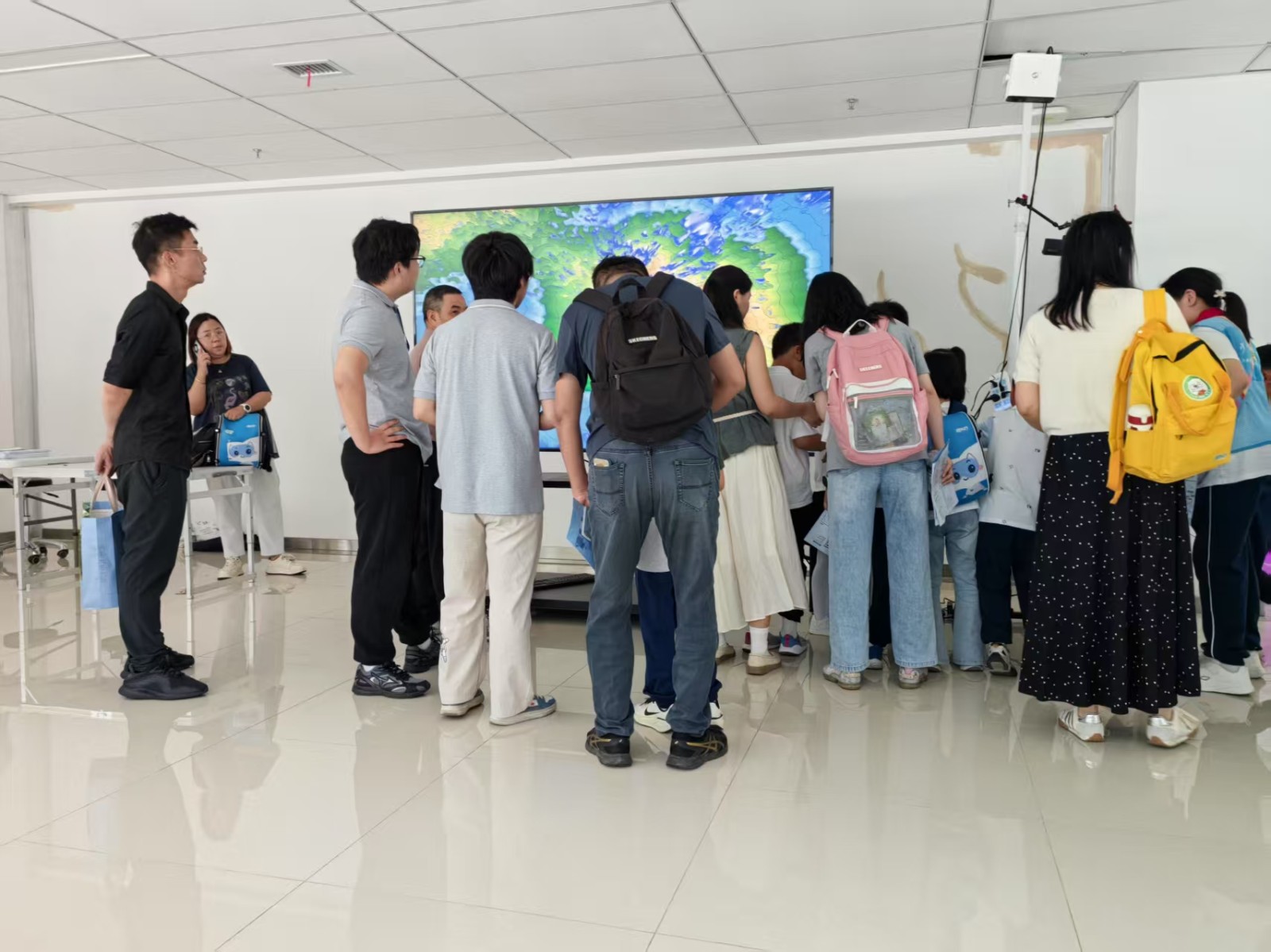
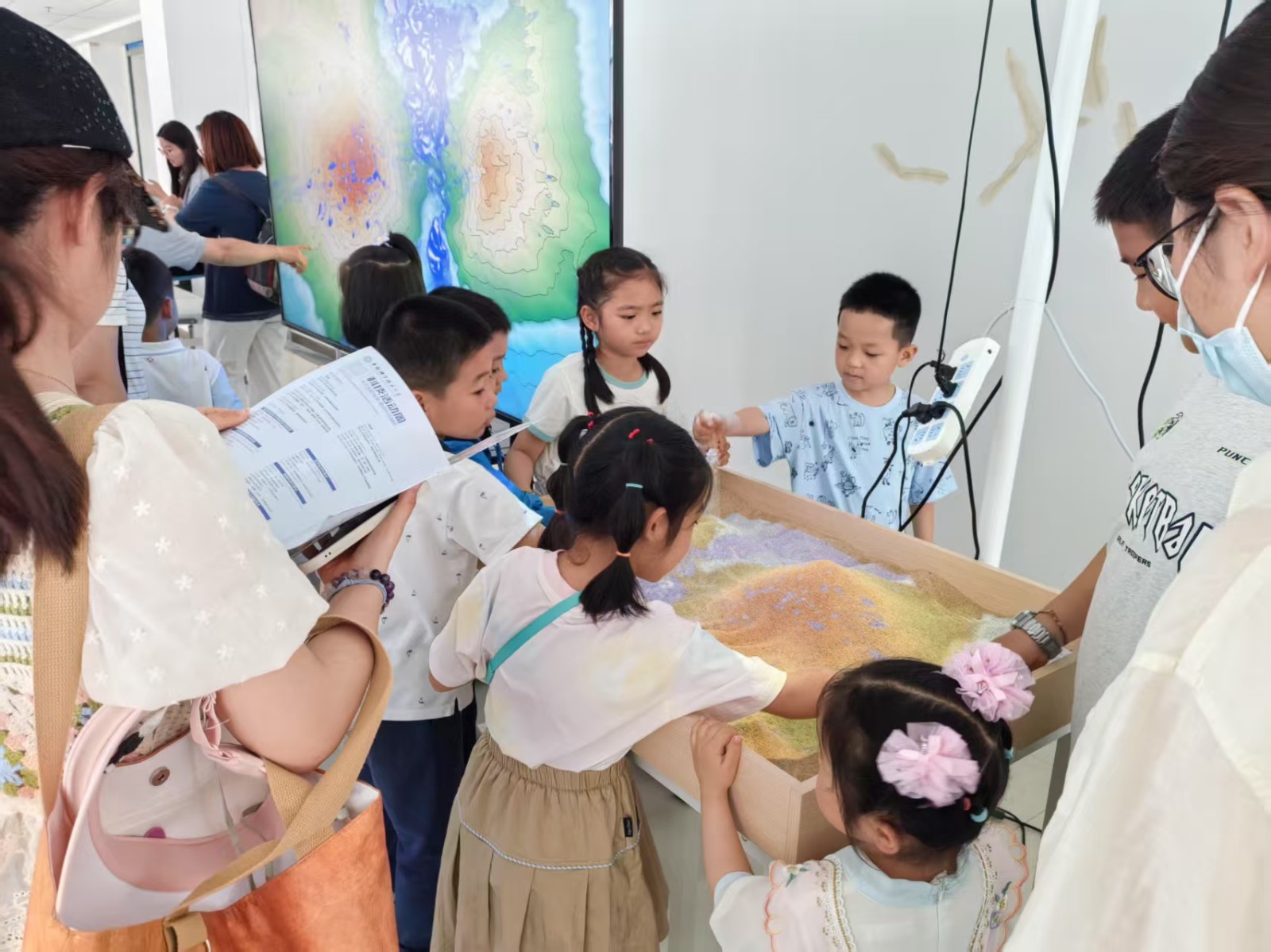
Photos: Visitors participating in the interactive terrain simulation sandbox prepared by the research group.
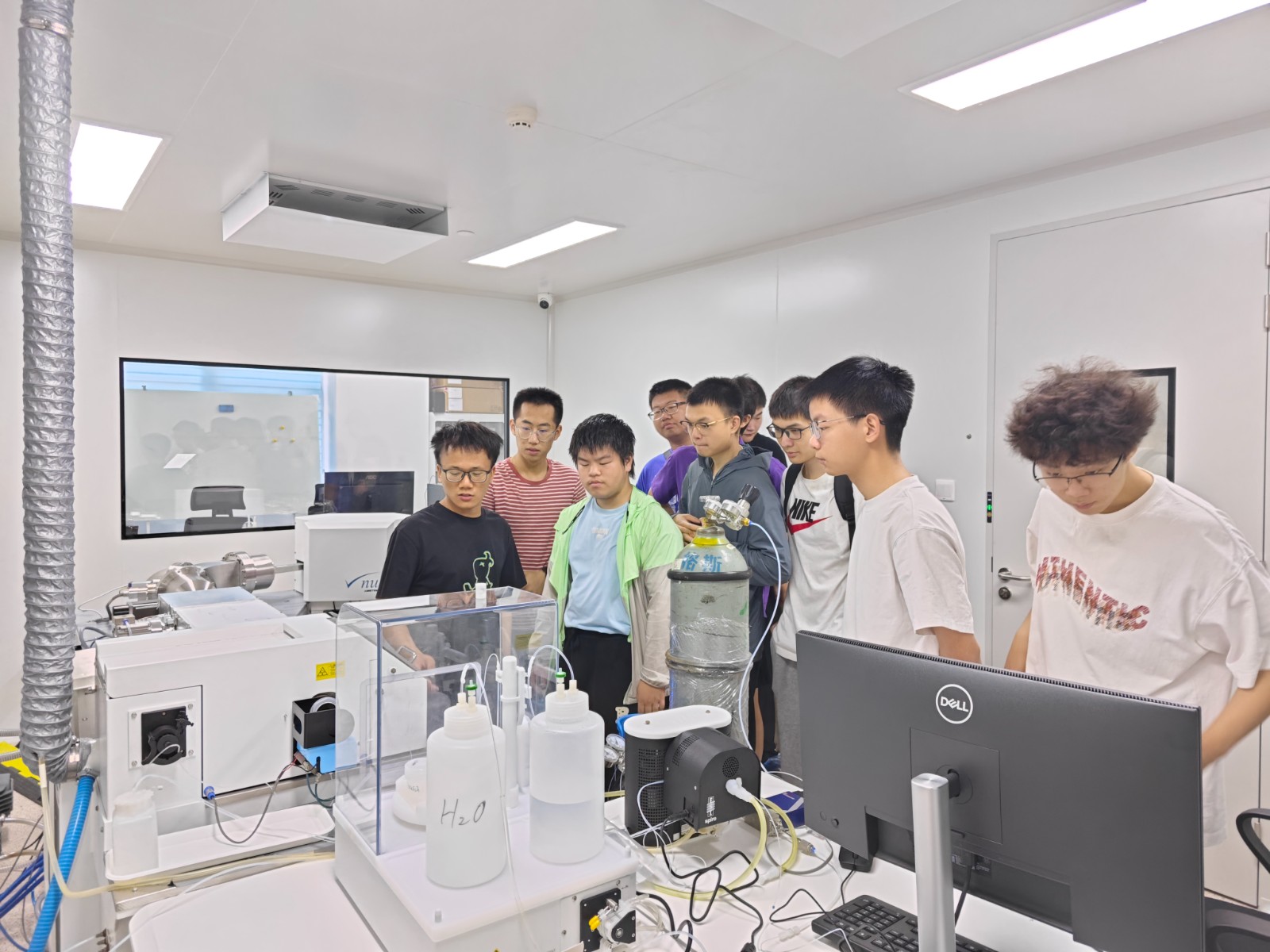
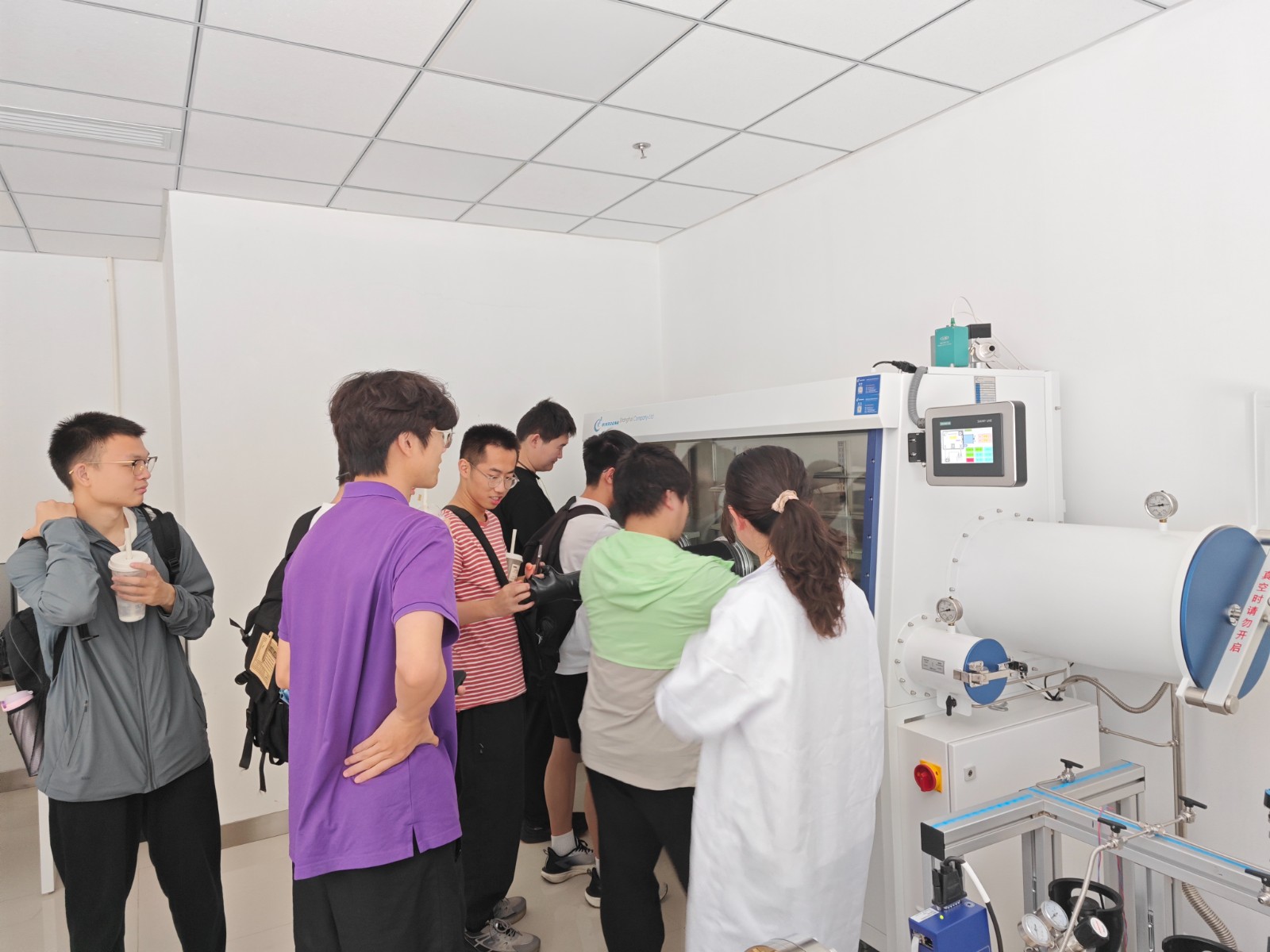
Photos: Students from the Science and Society course visiting the laboratories; PhD student Zhang Liang and undergraduate student Xiaoou Luo introducing the demonstrations.
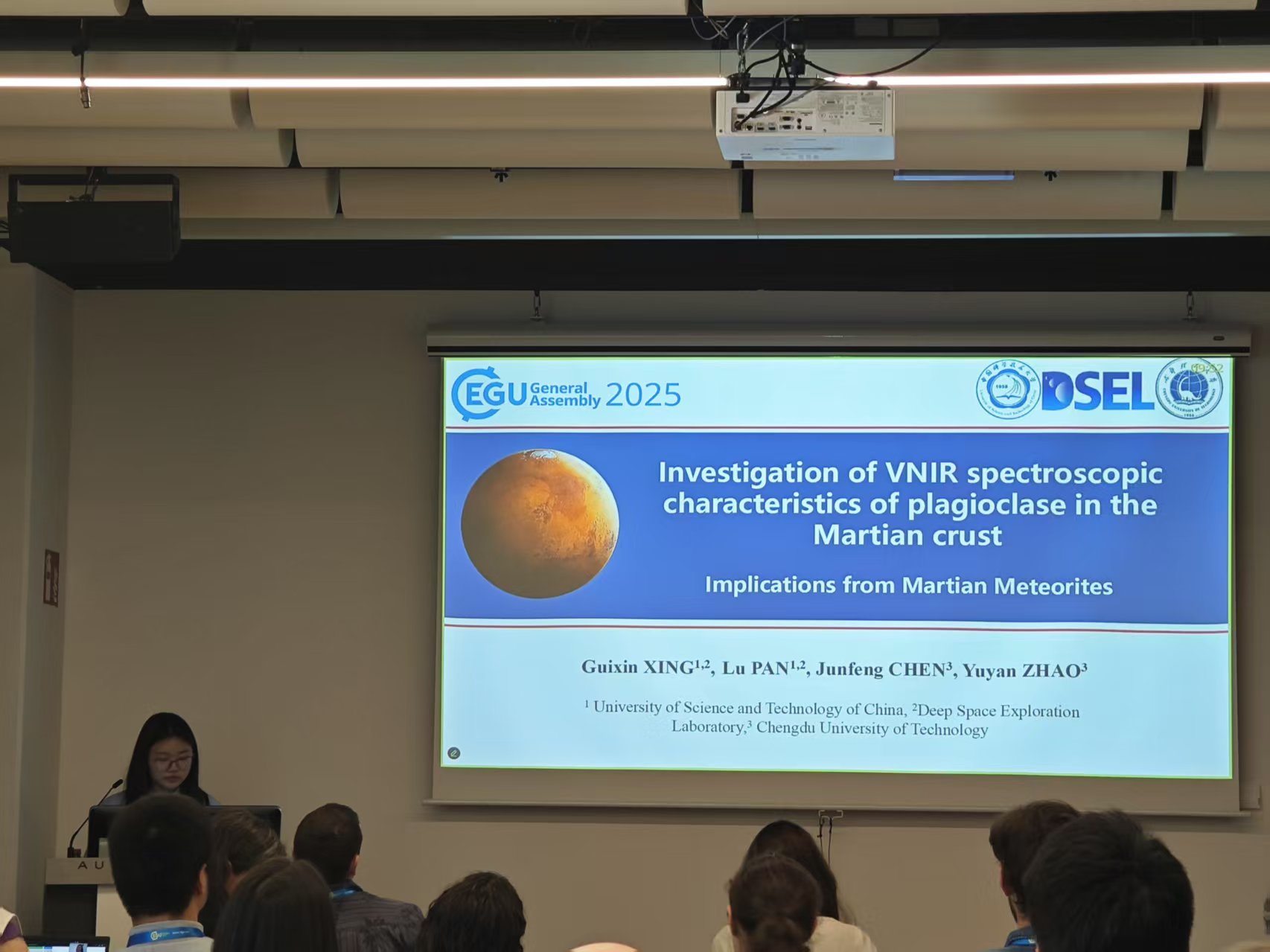
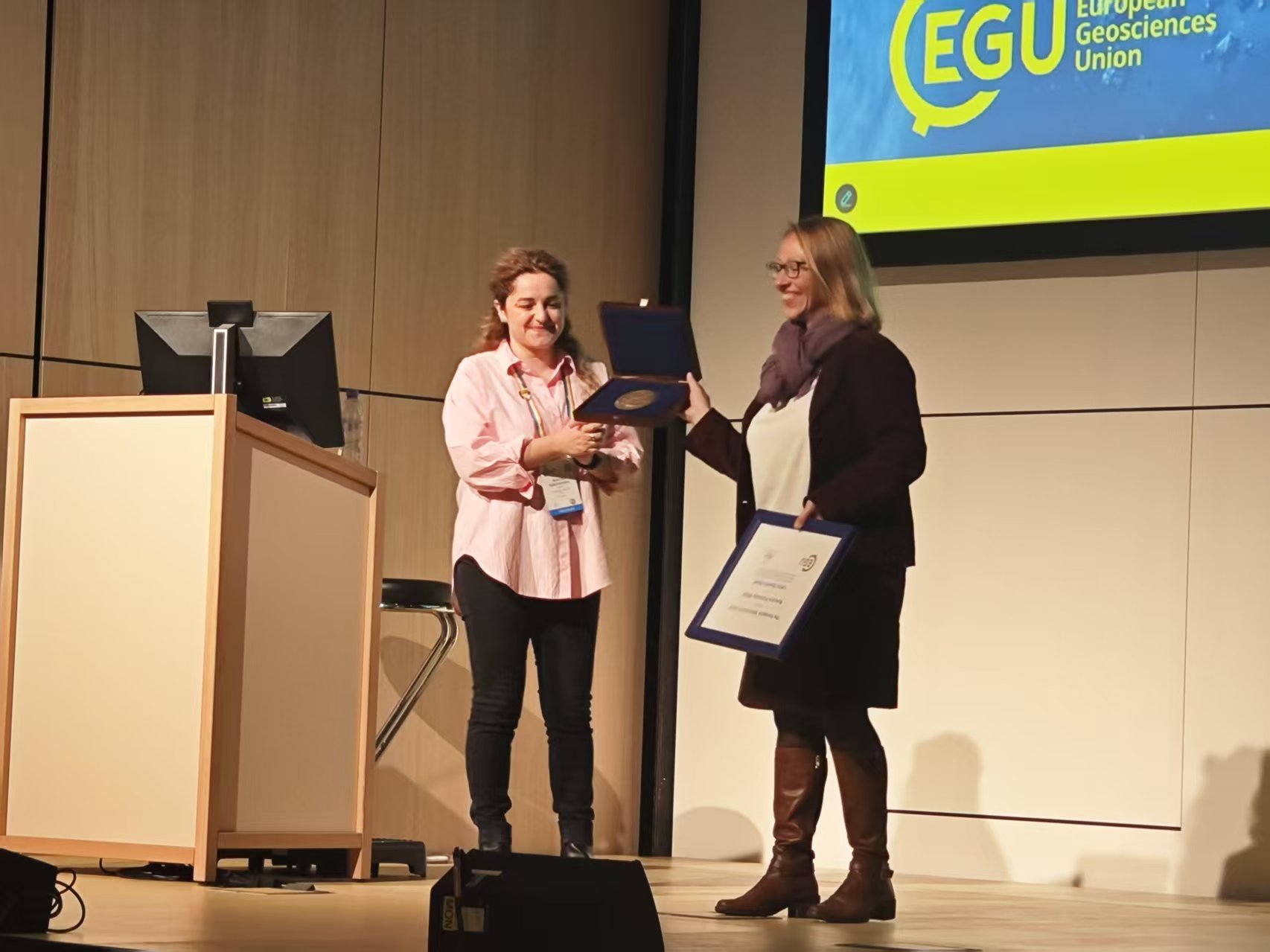
From April 27 to May 2, Guixin Xing and Lu Pan joined the European Geosciences Union held in Vienna, Austria and both gave oral presentations at the Mars session. At this conference, Lu's supervisor during her postdoc Cathy Quantin-Nataf received the Runcorn-Florensky medal for her contributions in planetary science as the first women recipient of the medal. After the conference, Guixin went to NEO company in Oslo for measurements and visit.
On April 17, 2025, Lu Pan, along with professors Xiaohua Xu and Wenzhong Wang, led undergraduate students from the 2024 Earth Physics cohort of the Solid Foundation Program and students enrolled in the Science and Society course to visit the Deep Space Exploration Laboratory, a joint initiative by the China Aerospace Science and Technology Corporation (CASC), the Anhui Provincial People’s Government, and the University of Science and Technology of China (USTC). The laboratory’s staff members, Zinan Liao and Yihuan Tang, hosted the group and offered detailed explanations of the exhibition hall’s displays, using immersive presentations to showcase China’s aerospace achievements and future exploration visions. This experience enhanced students’ understanding of how their academic pursuits align with societal and national strategic goals, while also supporting their transition from high school to university by connecting classroom knowledge to real-world scientific and societal impacts.


Left: Students pose for a group photo in the exhibition hall of the Deep Space Exploration Laboratory; Right: Dr. Zinan Liao introduces the laboratory's history.
On April 15, 2025, group members participated in a training session on the operation of geophysical spectrometers, learning field equipment usage to prepare for future teaching and research activities. Group members (left) and students from the Space Geodesy course (right) practice spectrometer techniques.


Group members (Left) and the class of "Space Geodesy" learning the usage of a spectrometer
From April 12 to 13, 2025, Lu Pan attended the Geophysics Teaching Workshop in Chizhou, Anhui, where discussions focused on refining undergraduate and graduate training programs, identifying overlaps and interconnections between courses, and proposing constructive revisions to geology-related curricula.
From April 7 to 11, 2025, the 2nd International Conference on Deep Space Science (ICDSS) was successfully held in Hefei, gathering experts from over 100 research institutions across more than 20 countries and regions to share academic advancements and future mission concepts. The group contributed to conference organization and volunteer services, while engaging in in-depth discussions with attendees. Pictured: Snapshots of presentations by Lucia Mandon (online), Pierre Beck, and Agnes Cousin from France.


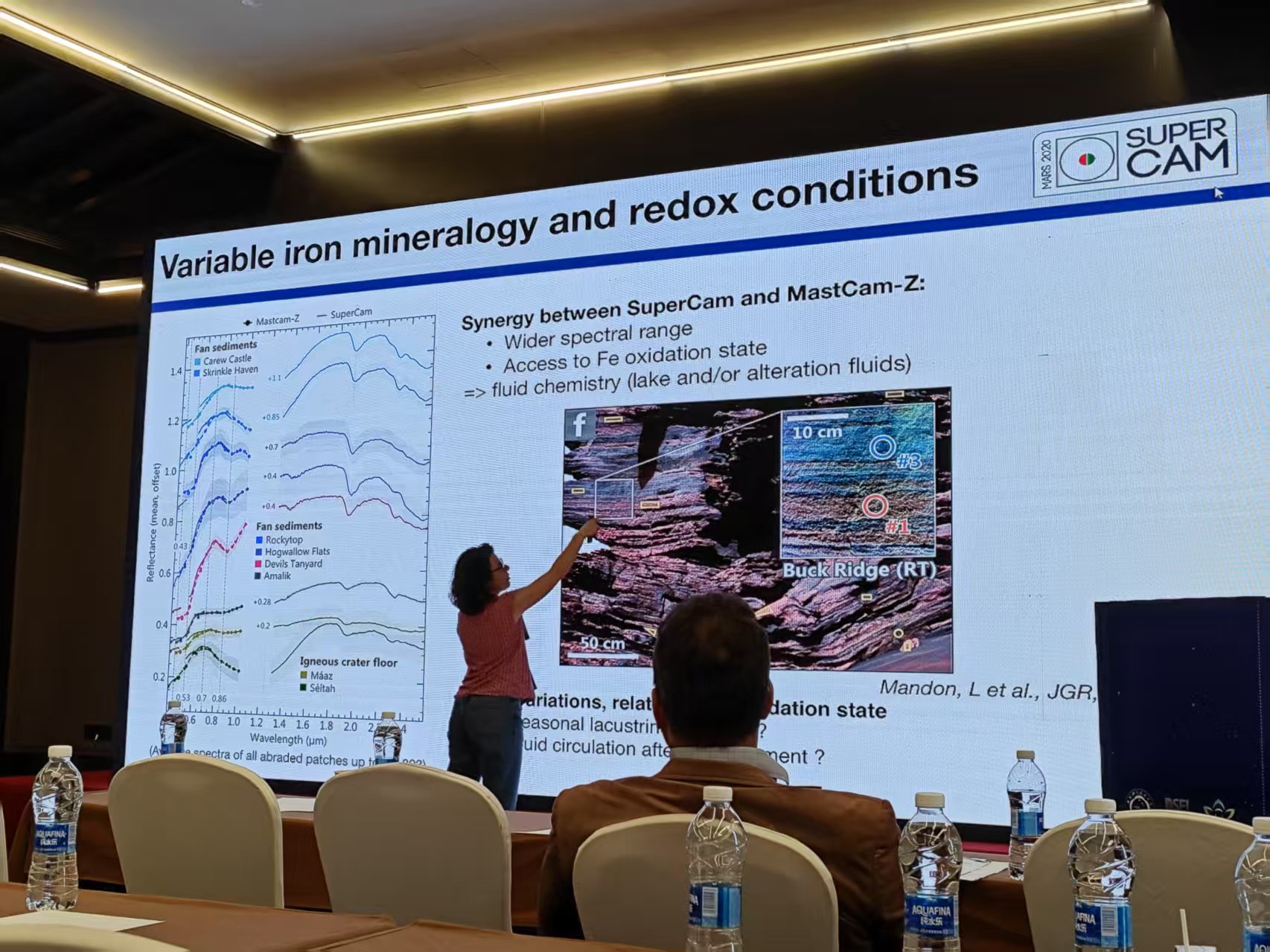
Snapshots of talks from Lucia Mandon (Online), Pierre Beck and Agnes Cousin at ICDSS 2025
On April 1, 2025, the research group gathered for a photo on Cherry Blossom Avenue, with blooming flowers symbolizing the arrival of spring in Hefei and embodying the group’s aspirations for the new year.

From March 25 to 30, 2025, the 6th Youth Planetary Forum, co-organized by the University of Science and Technology of China (USTC), took place in Tunxi, attracting over 900 scholars worldwide for vibrant academic exchanges. The group assisted in conference logistics, while Xiaorong Qin and Yunwan Tao presented their research.

A group photo from the event.
March 21–22, 2025: Dr. Jimin Peng attended the 3rd National Cryosphere Science Conference held in Lingshui, Hainan, and delivered an oral presentation about her study on the dark dune spots in the polar regions of Mars.


March 20, 2025: Professor David Catling from the University of Washington visited the University of Science and Technology of China (USTC) and delivered an academic lecture. Lu Pan participated in the Q&A session and received an autographed copy of the book Astrobiology from David.

March 19, 2025: Jianfei Liu and Guixin Xing visited Nanmen Primary School in Hefei to participate in the “Campus Science Popularization Series: Rocks and Life — Primary and Middle School Outreach Activity” organized by the School of Earth and Space Sciences. The event was warmly received by the students 🌹

February 10, 2025: Dr. Xiaorong Qin joined USTC at the start of the new year! A graduate of the Guangzhou Institute of Geochemistry, Xiaorong specializes in analyzing secondary minerals related to Martian environments and conducting Mars-analog environmental simulation experiments. Welcome aboard, Xiaorong!
January 6, 2025: The research group conducted a thorough cleanup of the new laboratory and installed a topography simulation sandbox. The lab has been completely refreshed.


December 31, 2024: Dr. Jun Du from Purdue University visited and delivered a lecture titled “3D Morphological Modeling of Fresh Impact Craters on the Lunar Surface”. He introduced the Crater Terrain Evolution Model (CTEM) that he was part of the developement team.
December 20, 2024: Lu Pan visited the National Space Science Center, Chinese Academy of Sciences, and delivered a lecture titled “Records of Early Martian Climate and Water Activity Evolution”. He engaged in detailed academic discussions with the faculty and students.
From December 9 to 13, 2024, Jianfei participated online in the American Geophysical Union (AGU24) in 2024 and gave a poster presentation. Visiting student (2024 summer) Luke Gezovich participated in AGU24 in person and gave an oral presentation on his summer research project.
On November 14, 2024, the Young Scientists Project of the National Key Research and Development Program titled "Evolution of Martian Habitability and Search for Traces of Life", with Lu as the project leader, was approved and funded! The key participants of the project include Jiacheng Liu from the University of Hong Kong and Ziyao Fang and Zhengbin Deng from the University of Science and Technology of China.
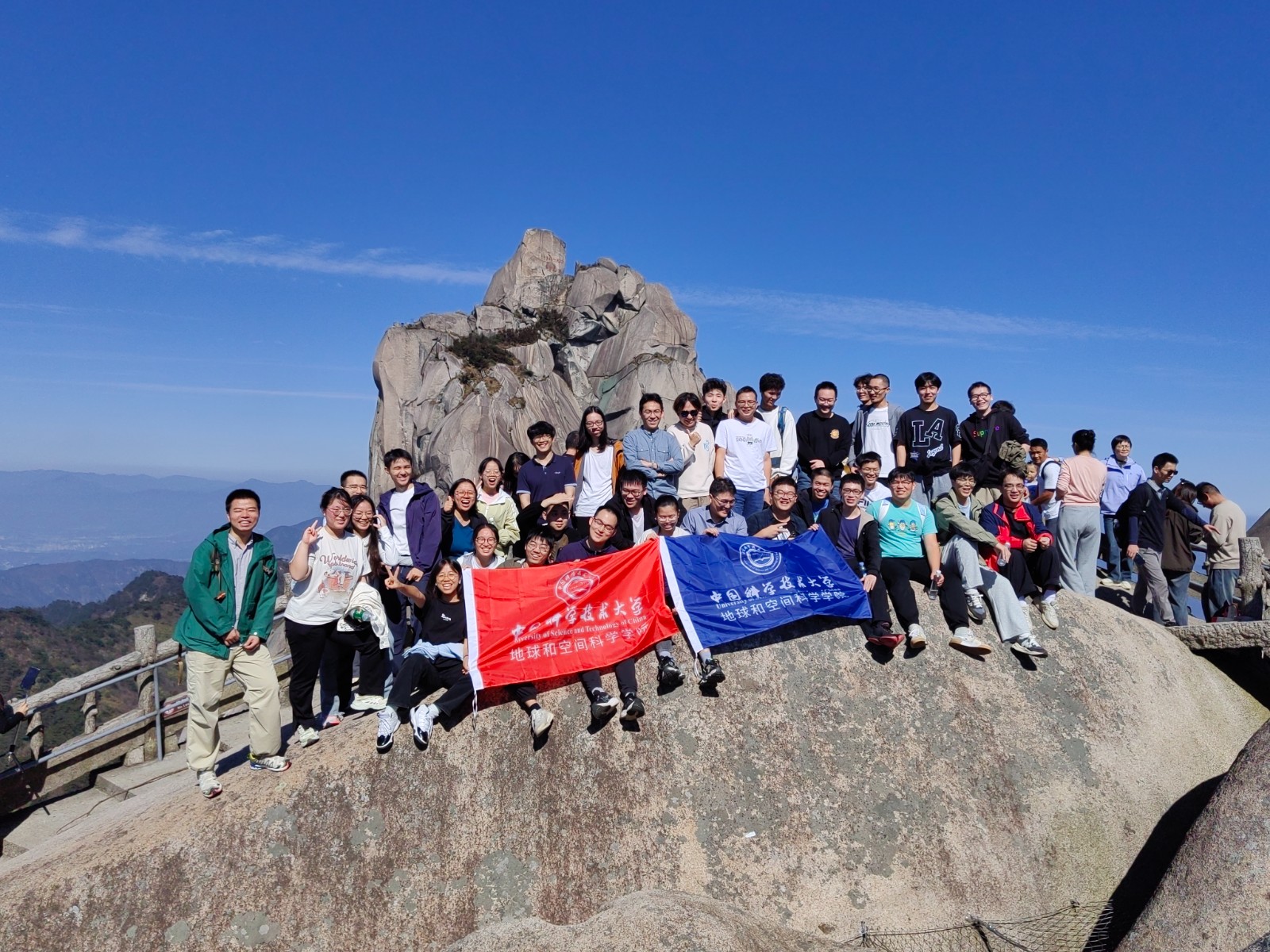
From November 2-3, 2024, Lu, along with professors Jikun Feng, Qi Chen, and Zhiyang Dai, led students from the courses “Field Investigation of Structural Geology” and “Geology and Tectonics” on a field trip to the Dabie Mountains. During the fieldwork, the students learned about the tectonic background of the Yangtze Plate subducting beneath the North China Plate, and they practiced identifying rocks such as eclogite, gneiss, and granite, along with their mineral components. Around midday on the 3rd, the team reached the summit of Tianzhu Mountain.
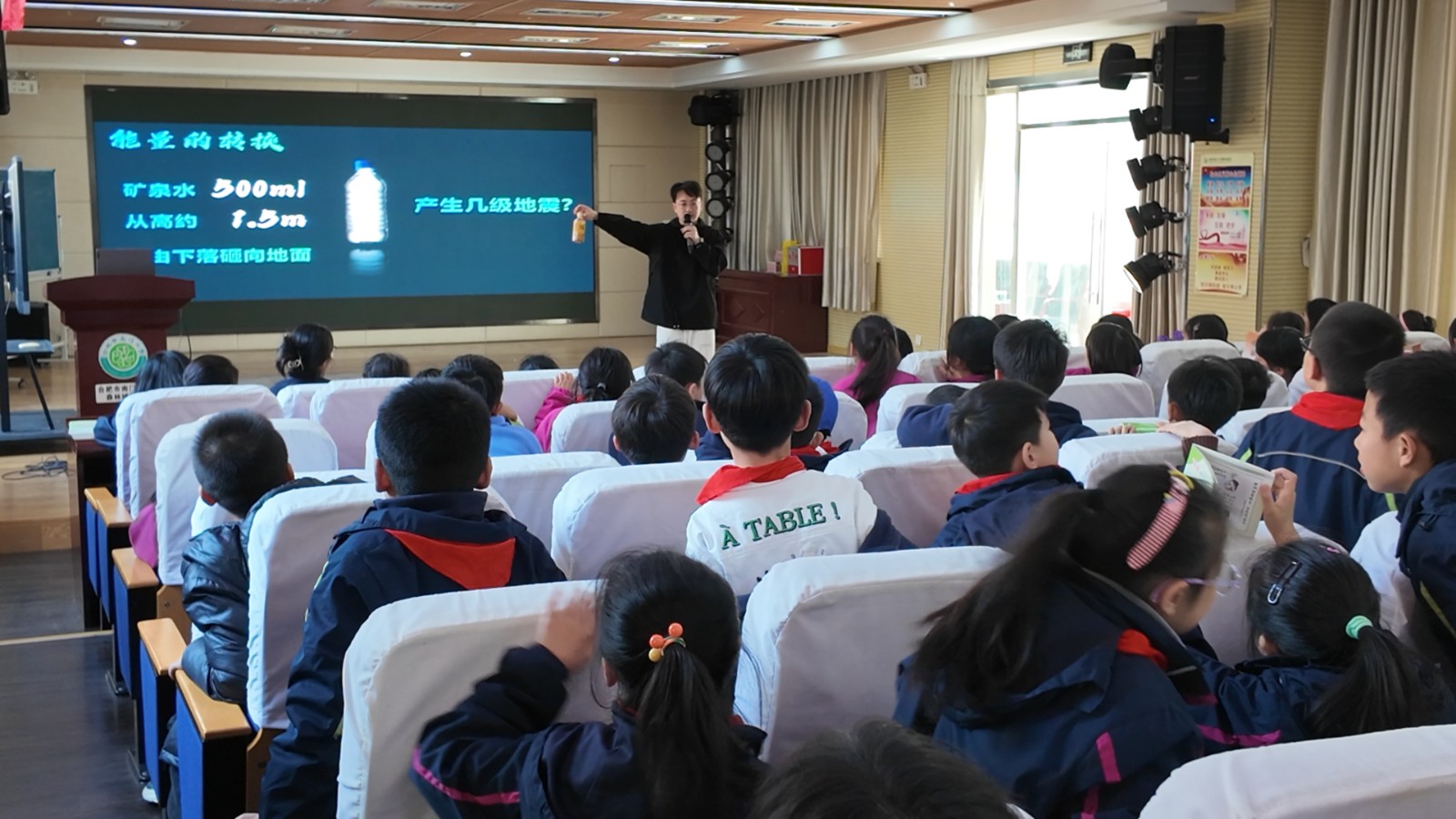
On October 23, 2024, Pan Lu visited Jianping High School in Shanghai to give a lecture on China’s deep space exploration missions to 600 high school students, introducing the remarkable achievements of China’s space program.
On October 20, 2024, the collaborative work between Pan Lu and University of Copenhagen master’s student Marie Kepp, regarding the discovery of hydrated silica in Gale Crater, was published in the journal EPSL. For more details, please refer to the article link.
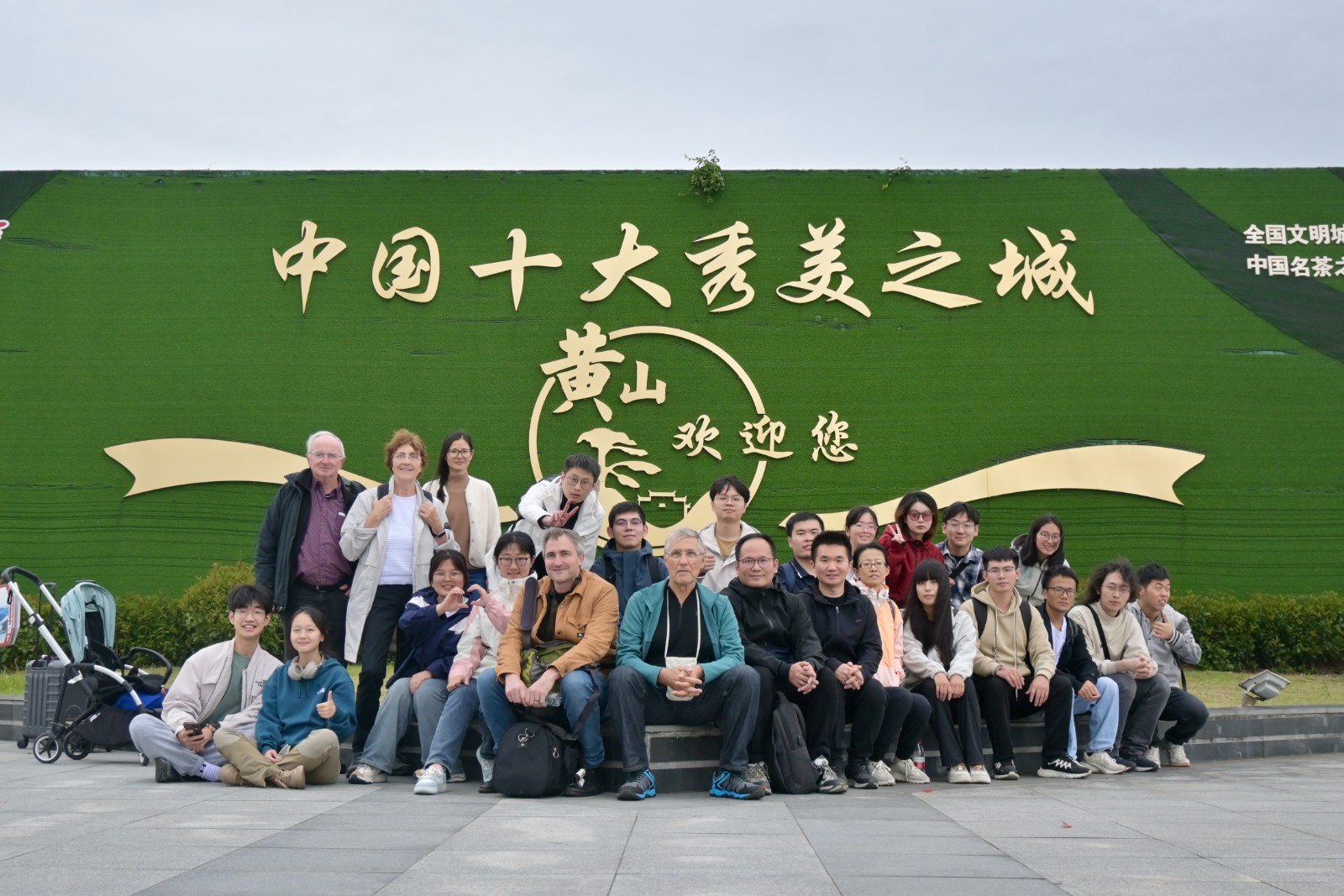
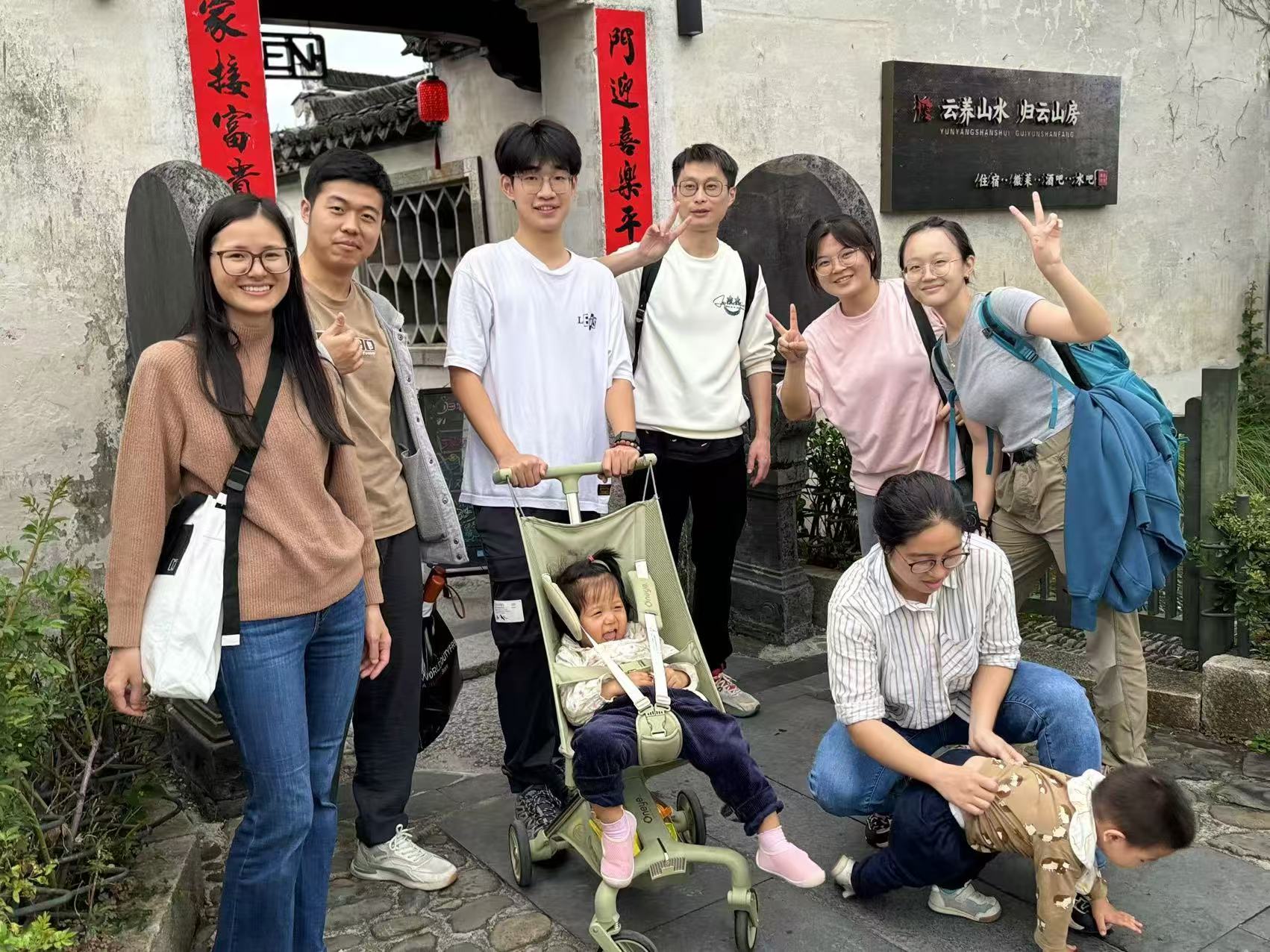
From October 18-19, 2024, the research group collectively participated in academic discussions and cultural exchanges with visiting guests from France, Frederic Moynier and Dimitri Ionov, and together visited Huangshan and Hongcun.
On October 7 to 12, 2024, group members (Jimin, Jianfei, Guixin, Yunwan and Lu) participated in the National Planetary Science Conference in Nanjing, China. We discussed with colleagues in China from different disciplines of planetary science and enjoyed the conference in the CBD of Nanjing.
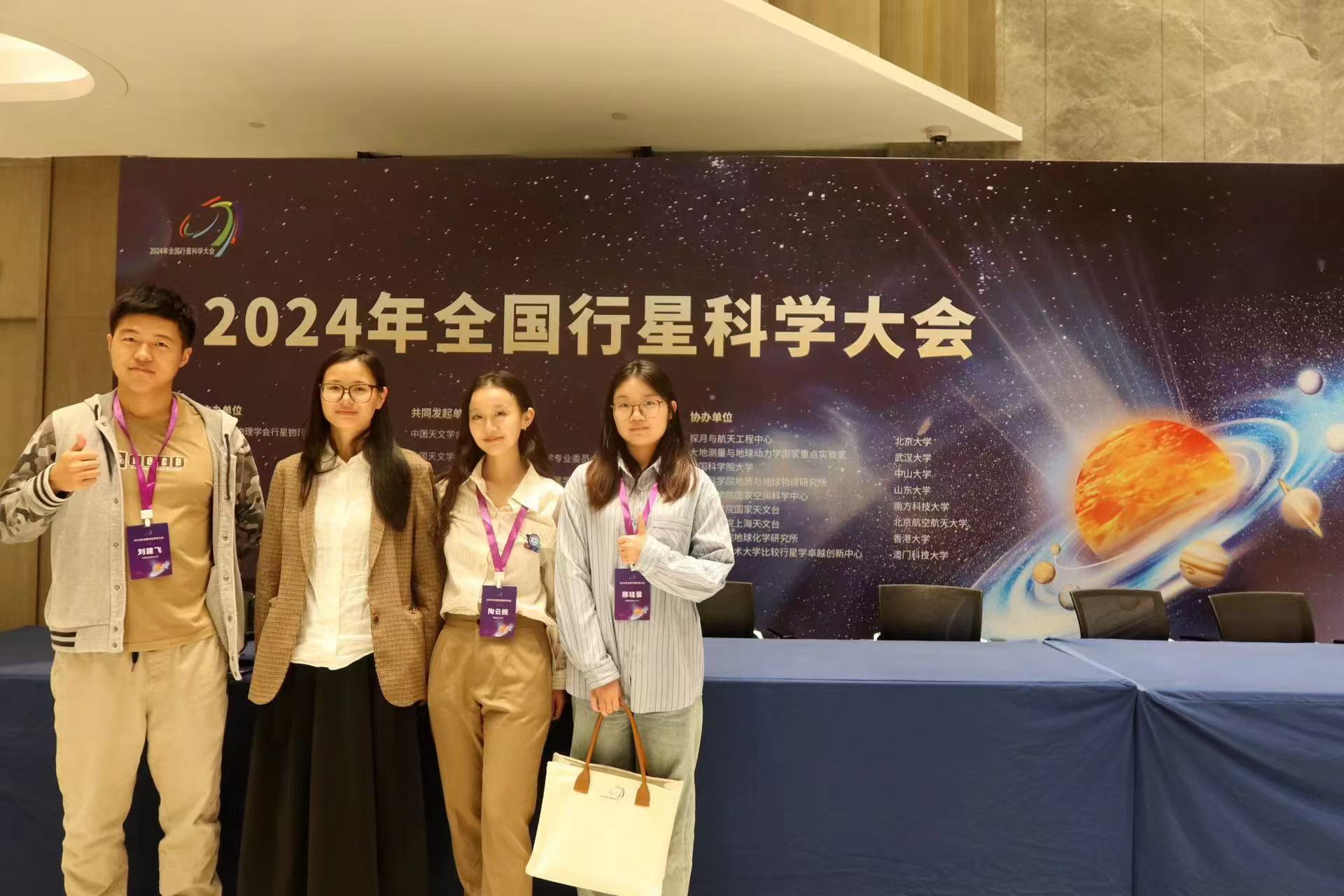
Group photo at the conference (Lu had to leave early for a class lecture and missed the group photo..)
On September 30, 2024,Lu Pan went to Hefei Zhaoxia Primary School and gave an outreach talk titled: Setting out for the Moon and Mars-- Stories about Chang'E and Zhurong.
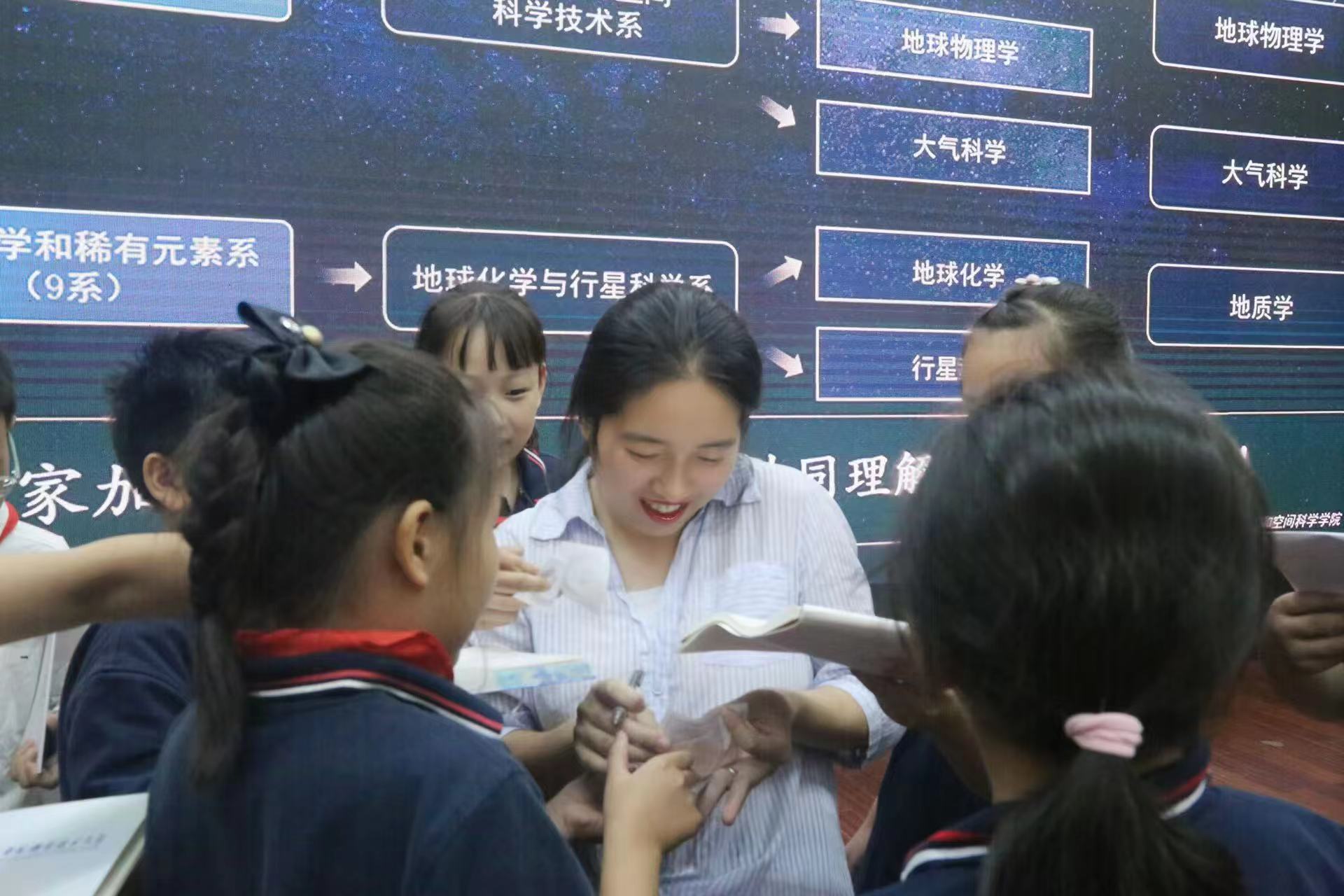
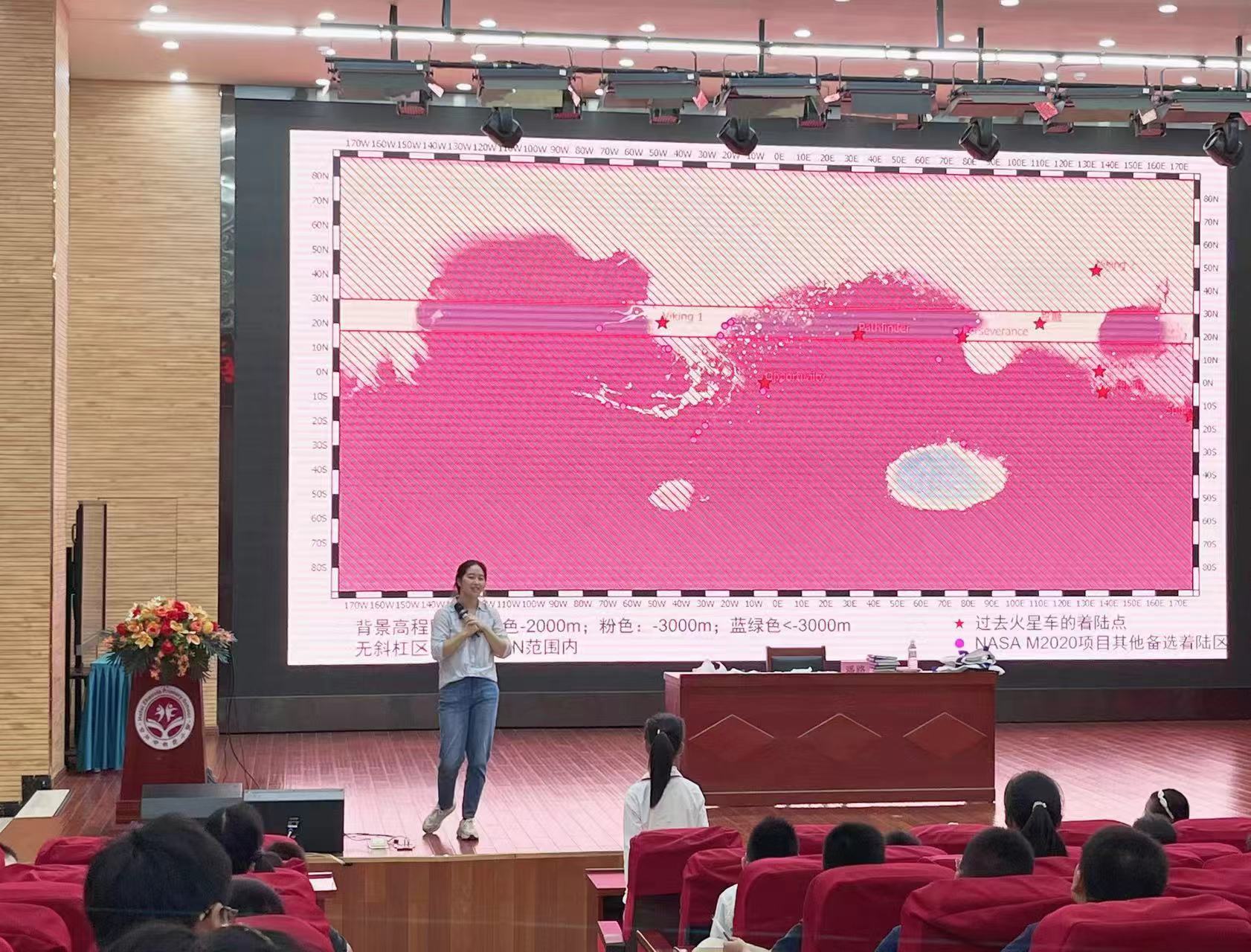
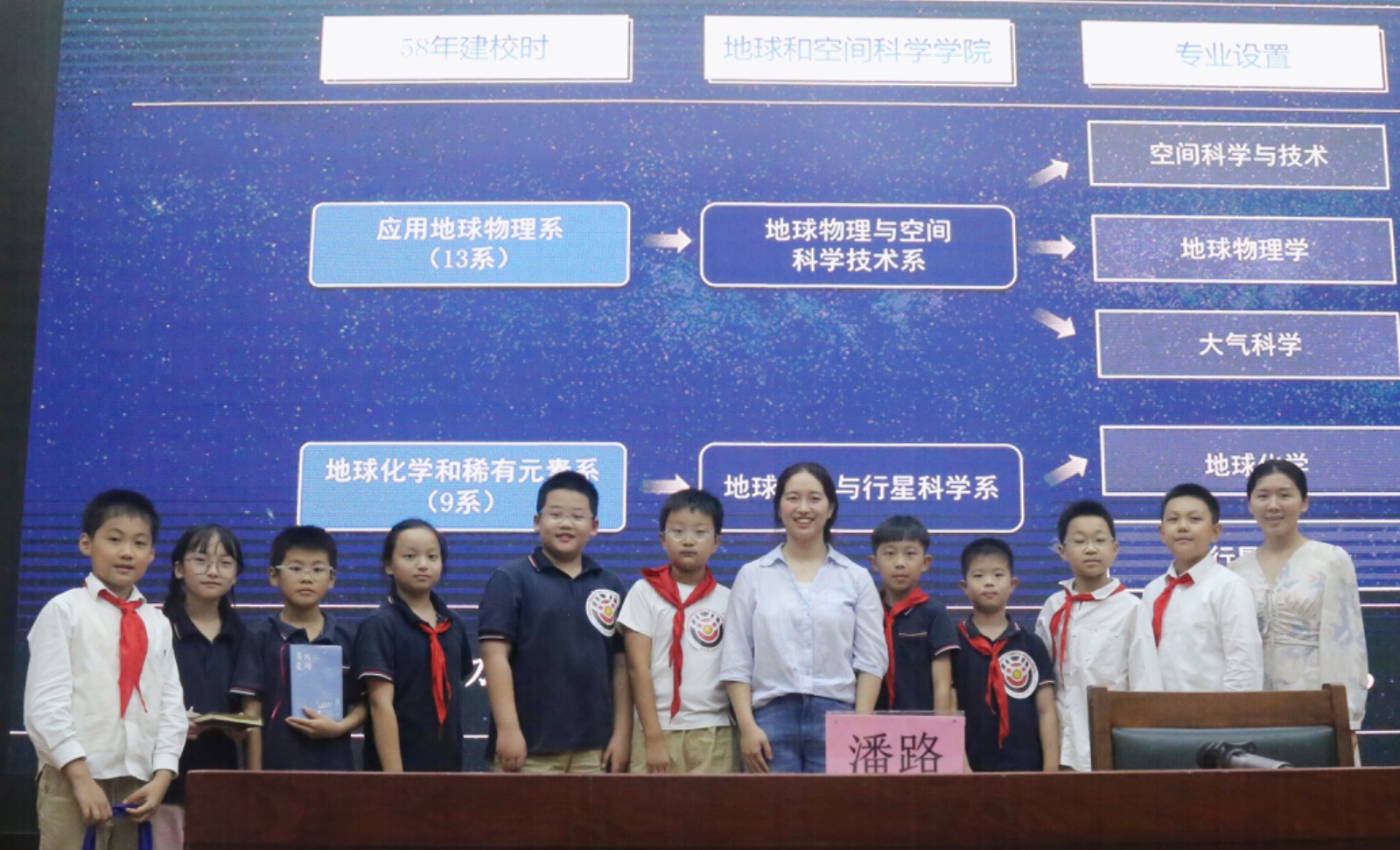
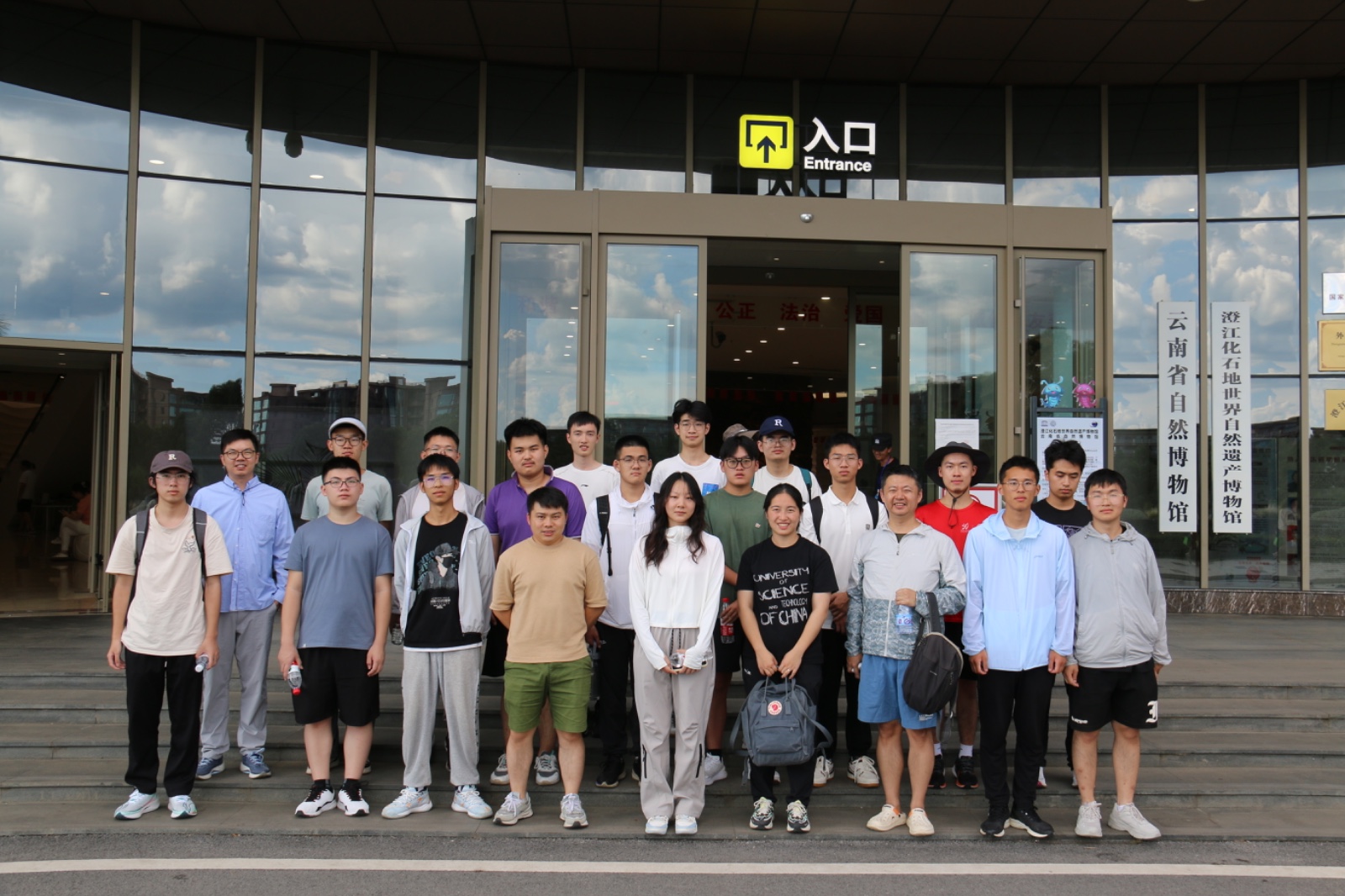
From August 26 to 28, 2024, Lu Pan participated in a geophysics field trip in Yunnan, leading second-year students from the Department of Earth and Space Sciences to visit the Kunming Heilongtan Field Observation Station, South China Karst, the Chengjiang Fauna, and the Seismic Disaster Mitigation Science Museum in Yuxi City. During the trip, members of the Yunnan Earthquake Agency and the Geological Survey Bureau gave explanations about the tectonic background of Yunnan and knowledge related to earthquake monitoring. The weather was great, and the scenery was beautiful!
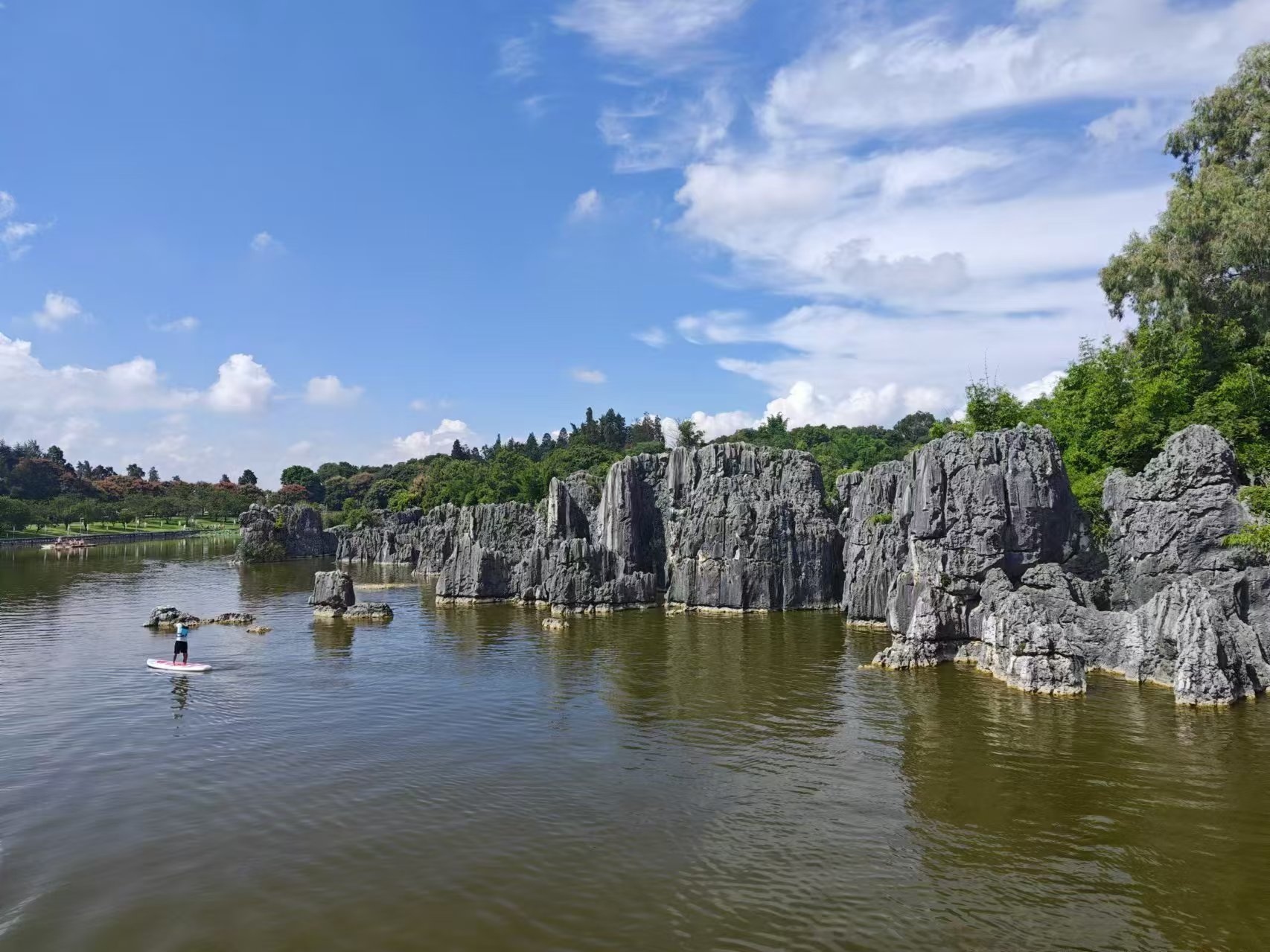
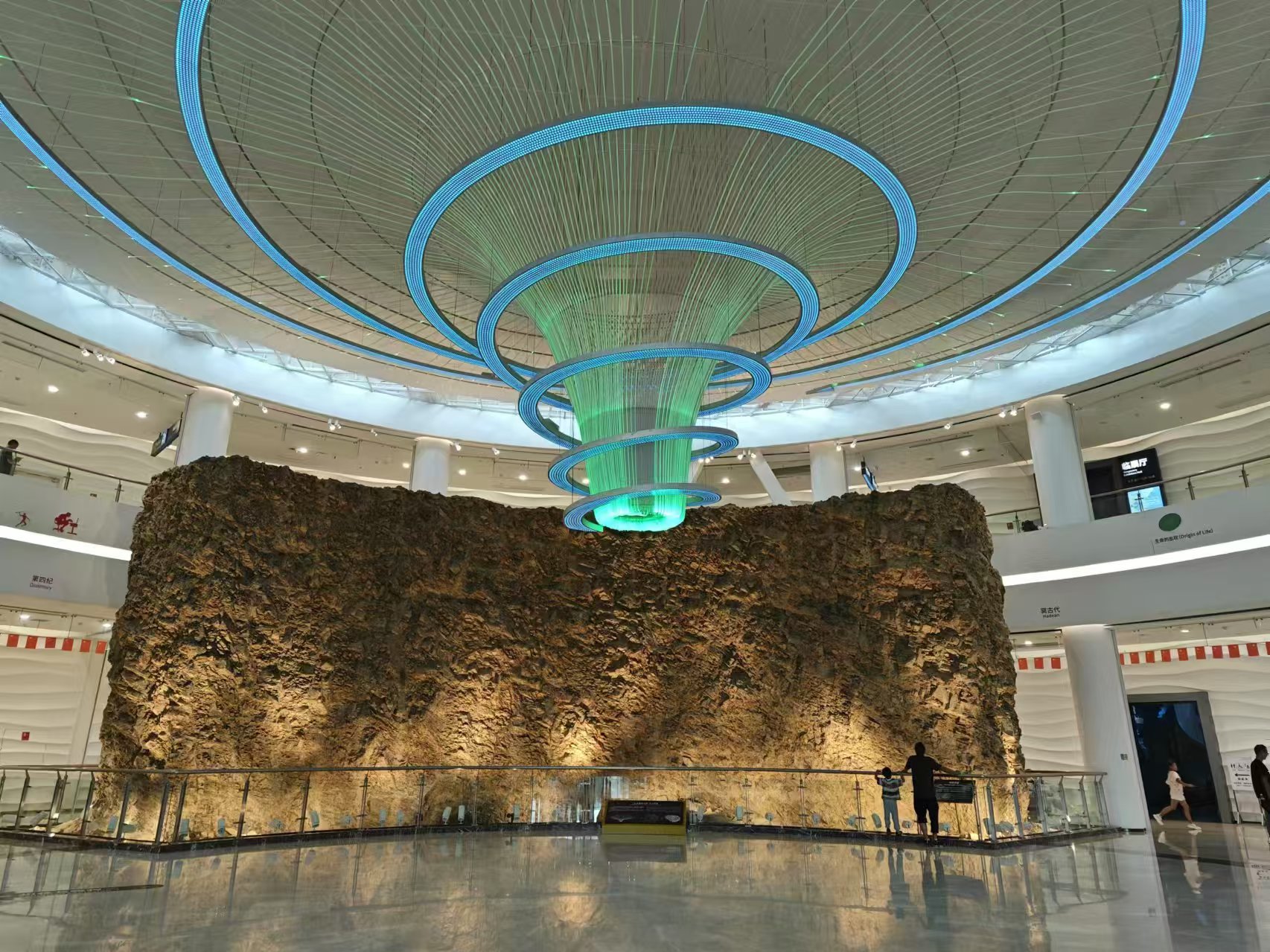
On August 22, 2024, Yunwan Tao officially joined the research group as a visiting student, starting a one-year exchange visit. Welcome, Yunwan! 👏
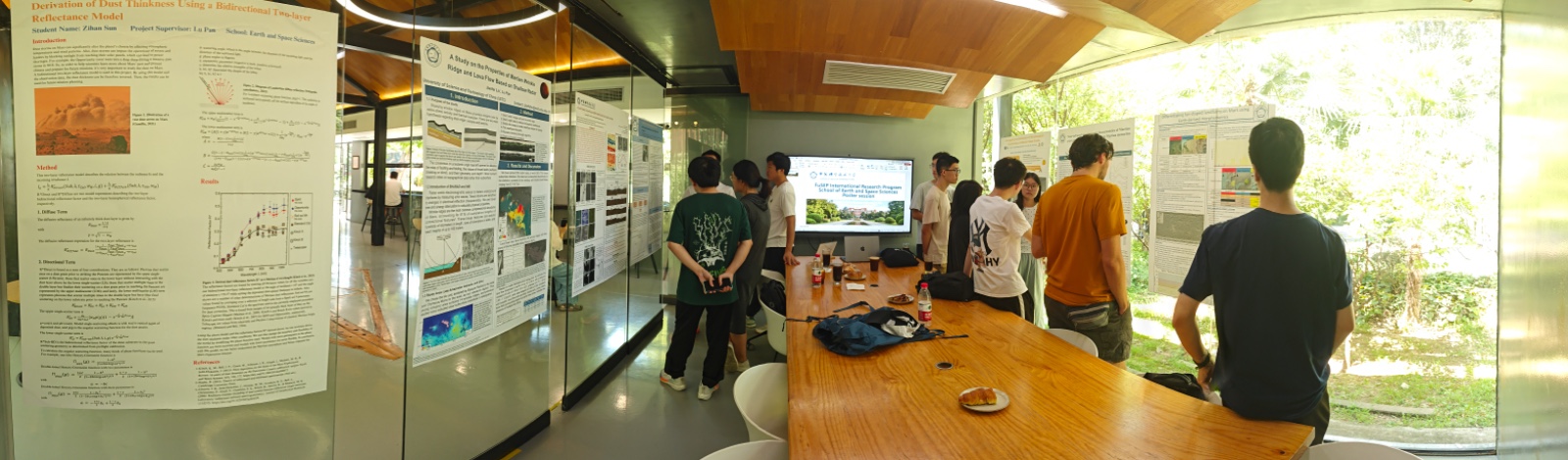
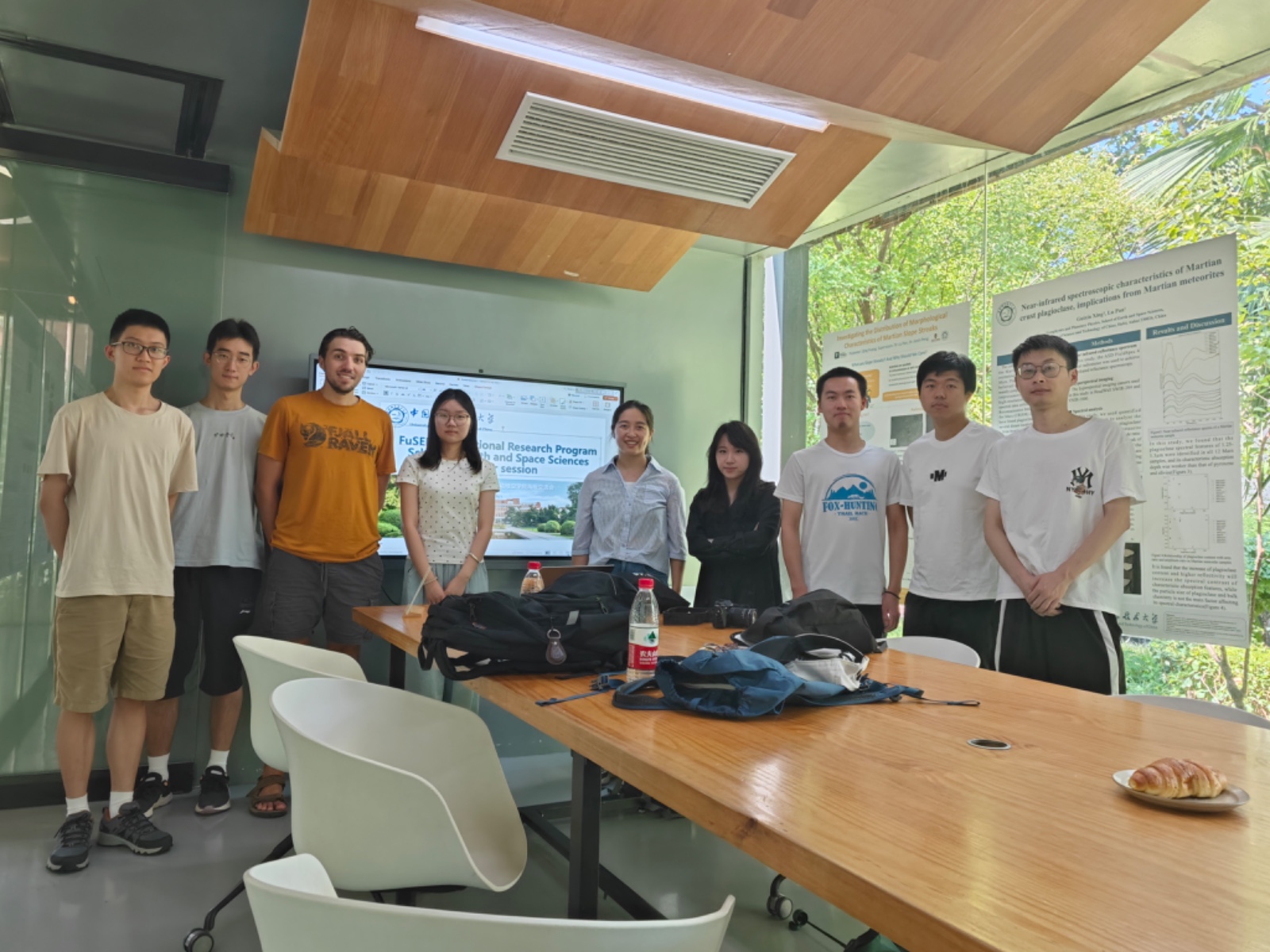
On July 30, 2024, all members of the research group held a poster session for the FuSEP “Future Scientist” International Summer Exchange Program at the USTC1958 Café. This event served as the closing activity for the FuSEP exchange program. Visiting students and summer research interns, including Luke, Zihan Sun, Qing Huang, and Fanggang Li, along with Liu Jianfei and Xing Guixin, presented their posters. Other faculty members and students from different research groups within the department also participated in the discussions and exchanges, creating a lively atmosphere. We extend our gratitude to all the teachers and students for their participation and support, and we hope the visiting students have enjoyed the stay at USTC and had a fruitful experience.
On July 2-8, 2024, Jianfei, Guixin and Lu participated in the field trip to Xiuyan impact crater organized by Prof. Jiaqi Li from Peking University. We helped the team to investigate the subsurface and geological structure of the crater using a combination of geophysical methods and geological observation.
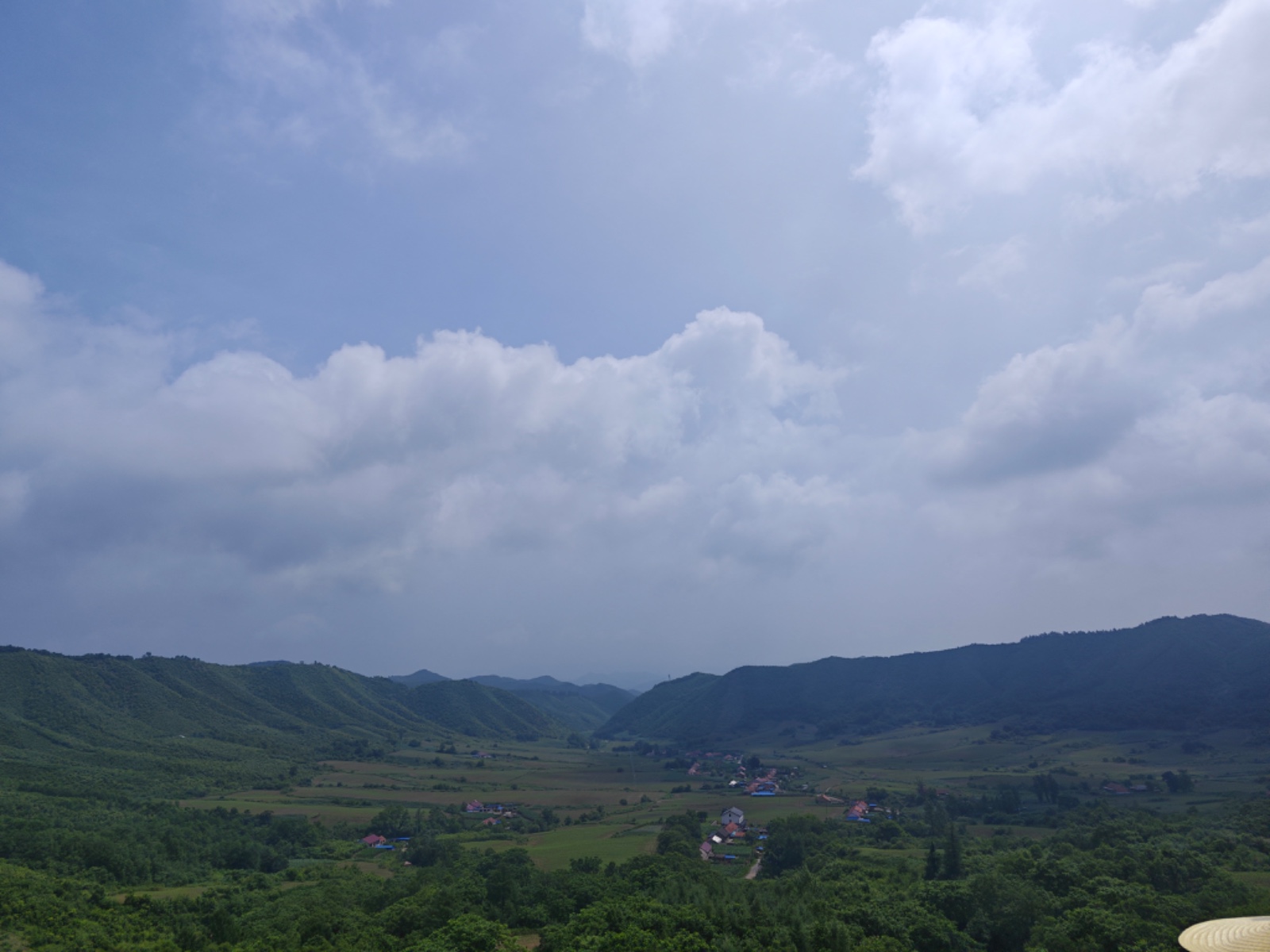
Panorama of Xiuyan crater from the crater rim
On June 28, around the same time as the lunar sample from CE6 mission is delivered, Lu Pan gave an outreach talk in the Feidong District Science Museum to ~150 elementary school students titled "Wandering on Mars".
From June 20 to 23, 2024, the Special Conference on ‘Searching for Traces of Life on Mars’ and the Tianwen-3 Science and Application Conference was held in Weihai, Shandong. Lu Pan attended the conference and reported on the geological background and scientific significance of landing sites in canyon, river channel, and delta regions. Together with over 200 experts, they discussed key issues in the search for traces of life on the Red Planet.
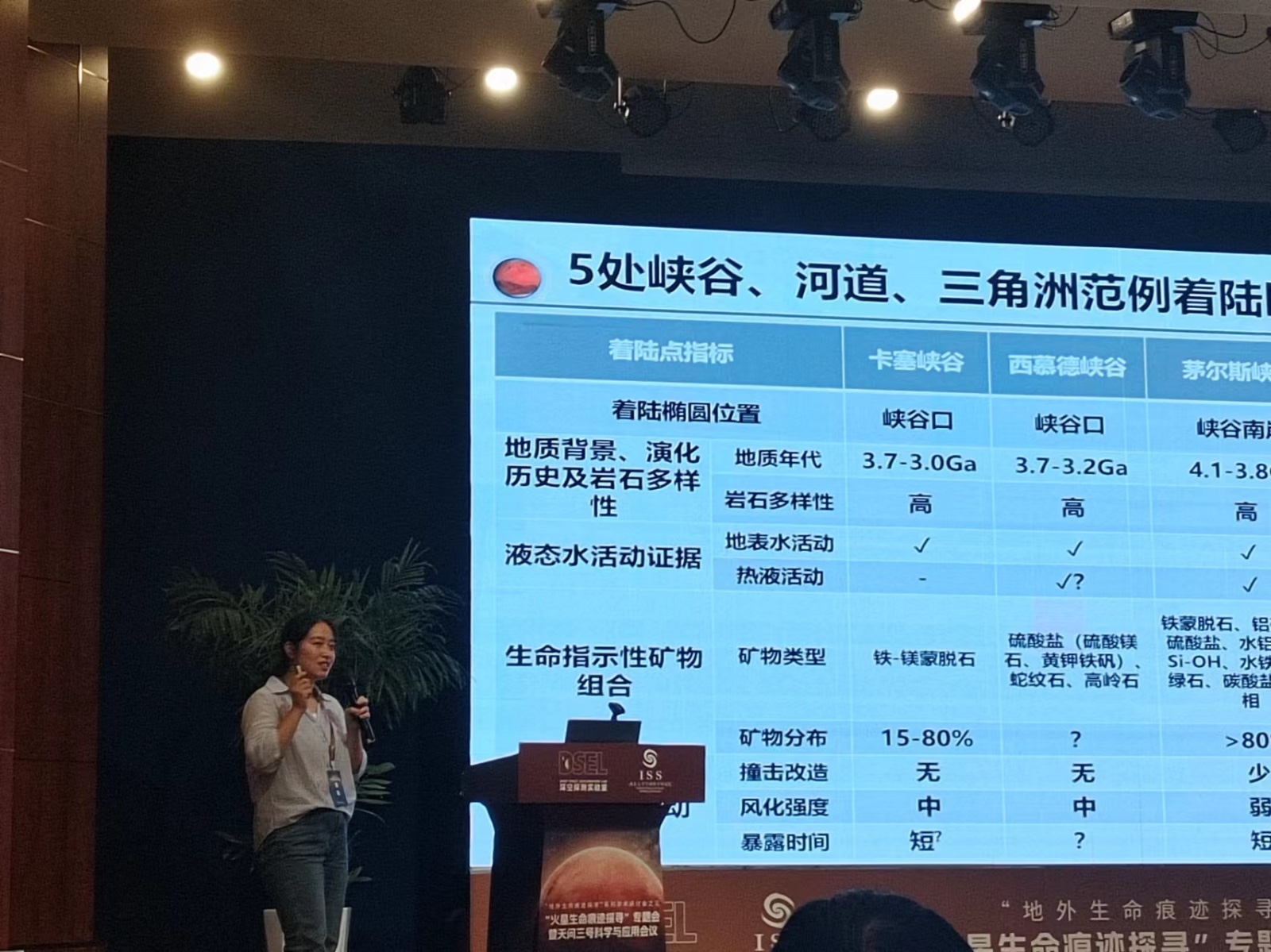
Lu giving a presentation on landing site selection
On June 13, 2024, the University of Science and Technology of China announced the list of prospective doctoral students for 2024. Congratulations to Jianfei on officially being admitted as a doctoral student at USTC!
On May 18-20, 2024, Lu Pan participated in the Planetary Science and Space Technology session of the Ninth Youth Geoscience Forum organized in Xiamen. The session featured a variety of topics, covering different approaches from engineering technology to scientific exploration, from samples to data and models.
On May 18, 2024, The University of Science and Technology of China held its Science and Technology Week, hosting appoximately 20000 students. Jianfei Liu and Lu Pan helped organize activities at the geophysics and space technology science popularization station. These activities included demonstrations of historical seismometers, explanations of distributed accoustic sensing seismometer, speed of sound experiments, ground-penetrating radar demonstrations, and meteorite displays, all of which were engaging and educational. Thanks to all the volunteers who participated.
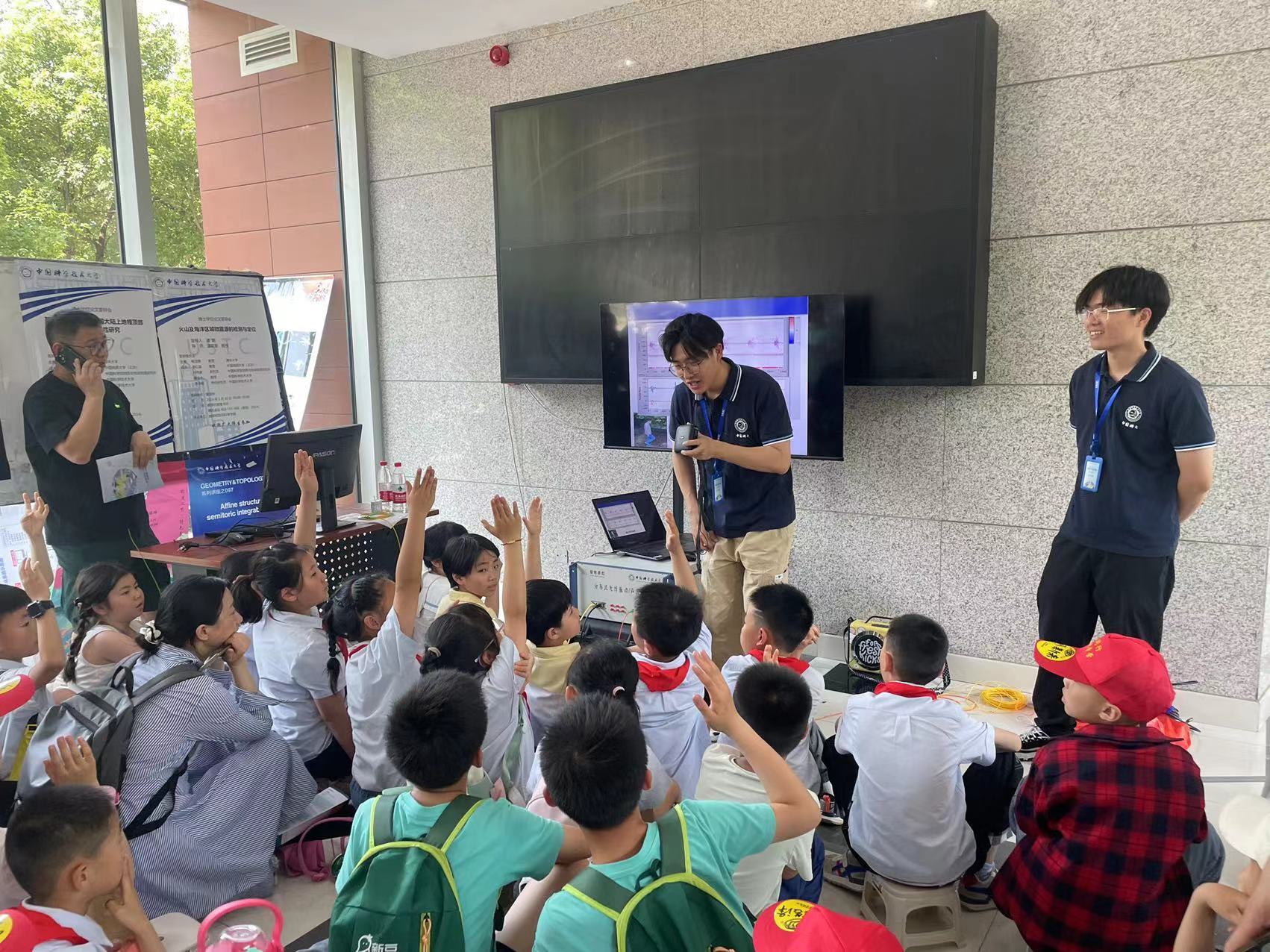
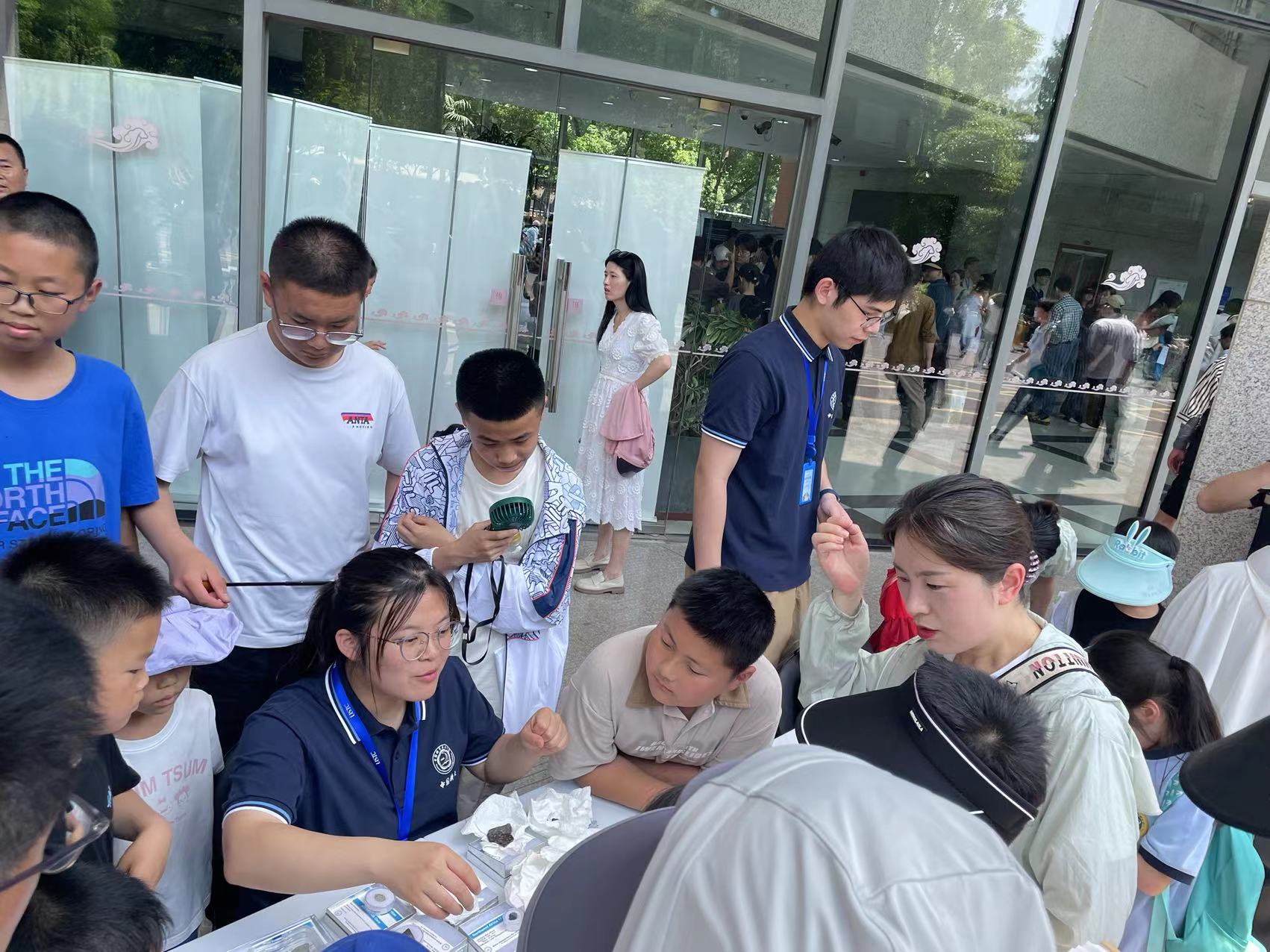
Volunteers are explaining DAS seismometer and meteorites to vistors
On the afternoon of May 8, 2024, Jianfei Liu participated in the qualify exam for the PhD program in Geophysics at the University of Science and Technology of China. During the interview, he gave a PPT presentation on his master’s studies and work, as well as his proposed research for the PhD, and answered questions from the expert committee.
On the morning of April 27, 2024, Lu Pan attended an academic salon on planetary exploration held at the 1958 Café in the Eastern District. Together with Professors Jingnan Guo and Jihua Hao, they introduced the research directions and recent developments in the field of planetary exploration to the undergraduate students from the School of the Gifted Young and the Department of Earth and Space Sciences.
On April 24, 2024, Lu Pan gave an outreach talk titled 'A Hitchhiker's Guide to Mars' to more than 1000 high school students in Lu'an second high school.
On April 21, 2024, as a faculty representative, Lu Pan participated in the inaugural meeting of the Department of Earth and Space Sciences Badminton Team and delivered a speech on behalf of the faculty, supporting the continued development of badminton in the department.
On April 1, 2024, the cherry blossoms are blooming and Spring is in USTC. We took a group picture with the cherry blossoms.
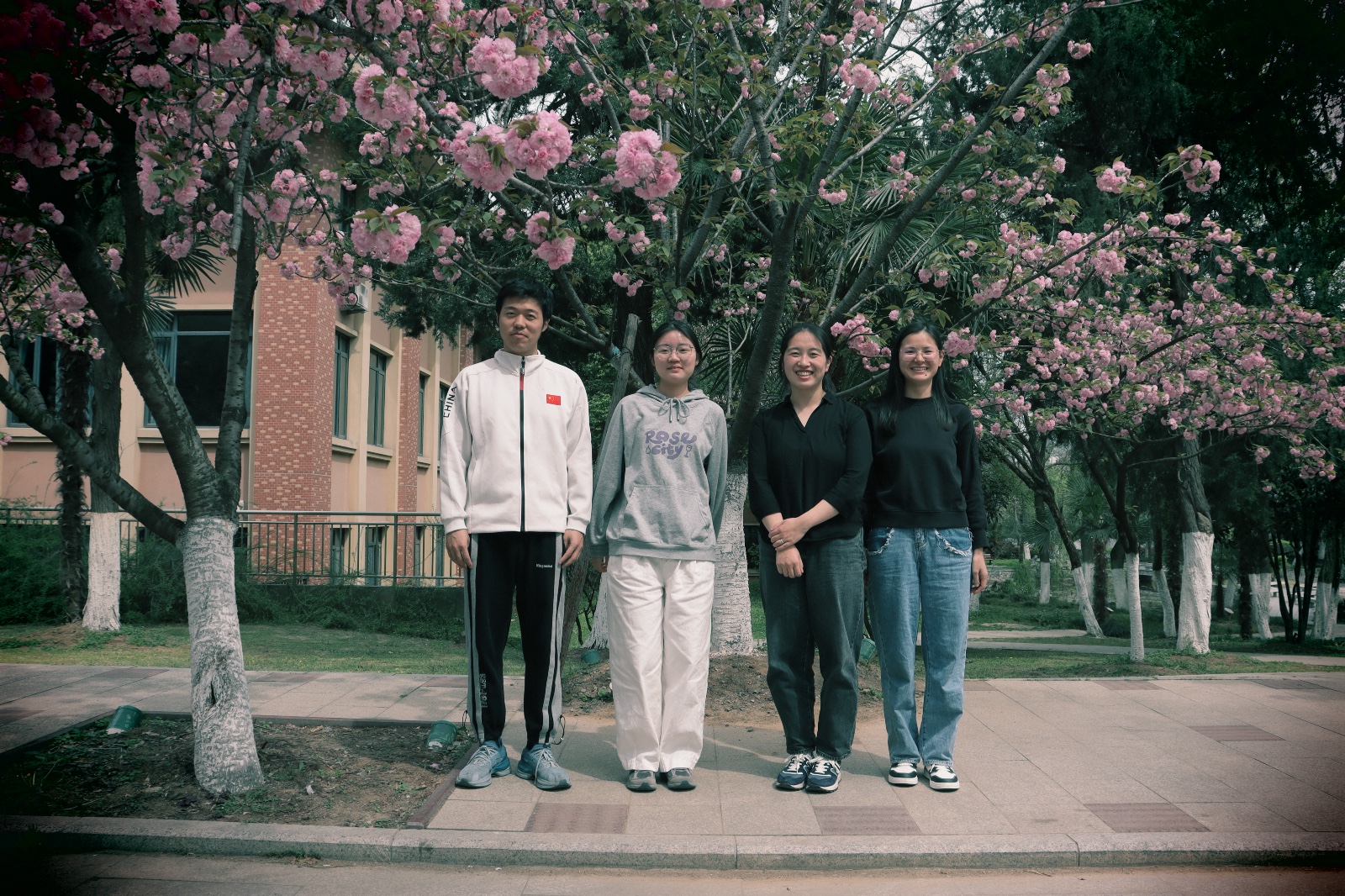
From left to right: Jianfei, Guixin, Lu, and Jimin. (Photo taken on Apr. 1 2024)
On March 22-25, 2024, Lu Pan and Jimin Peng attended the first China Geophysics Youth Forum, and gave oral presentations in the planetary physics session.
Jimin giving a talk on the Martian Dark Dune Spots
On March 11-15, 2024, Jimin Peng attended the Lunar and Planetary Science Conference virtually and gave an oral presentation in the Mars ices and polar processes session. Her talk is titled "Observations of Water Ice Halos and Bright Cores within Dark Dune Spots: Implication for a Solid Green-house Effect."
On March 8, 2024, Lu Pan gave a presentation on landing site selection for Tianwen-3 mission for the working group, with input from Jimin and Jianfei.
On January 5, 2024, Lu Pan delivered an academic presentation and engaged in discussions with over 30 international students attending the summer camp at the University of Science and Technology of China (USTC). These students, hailing from 11 countries including the USA, the UK, Italy, and Russia, exhibited a strong curiosity and enthusiasm for Chinese culture and deep space exploration.
From December 18-19, 2023, Lu Pan and Guixin Xing traveled to Beijing on the coldest days to conduct research and sample testing with a spectrometer, yielding a batch of initial data.
On December 2, 2023, the research group, including Lu Pan and Jianfei Liu, participated in the first Earth Physics Graduate Forum held in the West Third Lecture Hall of the Physical Chemistry Building. They shared and exchanged views with graduate students and teachers from different specialties and fields, as detailed in a report by USTC's Earth and Space News.
On December 1, 2023, Guixin Xing joined the research group, starting her undergraduate thesis work early. Welcome Guixin!
From November 17-18, 2023, Jinmin Peng attended the first Geophysics Forum for Young Scholars in the Middle and Lower Yangtze River and presented a poster, as reported in the news.
On October 15, 2023, Jimin Peng officially joined the research group to start his postdoctoral work. Welcome Jimin!
On October 26, 2023, Lu Pan gave a report on the progress of planetary remote sensing and Mars climate research for the "Advances in Geophysics" graduate English course in Room 2405 of Building 2.
On October 18, 2023, Lu Pan participated in the "Scientists into Schools" event, visiting Minghuang Road Primary School in Hefei's Yaohai District. She delivered a science popularization lecture to over 150 students and teachers from the fifth grade, introducing basic knowledge about Mars, the geophysical methods of Mars exploration by the Insight mission, and showcasing different types of meteorites, as reported in the news.
On August 30, 2023, the planetary data storage server and image processing workstation were set up, ready for data download.
In July 2023, congratulations to Guixin Xing for passing the USTC Earth and Planetary Physics summer camp assessment and being recognized as an outstanding camper.
In July 2023, as part of the Suzhou middle school students' visit to USTC, Lu Pan delivered a science popularization lecture titled "Listening to the Sounds of Mars" and promoted the School of Earth and Space Sciences at USTC, inviting students to join the big family of Earth and planetary sciences research.
In May 2023, Lu Pan was invited to give a lecture for the "Earth System Science: Solid Earth Physics" course, introducing the research content and background knowledge of planetary science to sophomore students.
From July 2-4, 2023, the research group attended the Frontiers of Earth and Planetary Sciences International Symposium and the International Promotion Association for Chinese Earth Sciences (IPACES), as reported by USTC News. At the conference, Lu Pan delivered an oral presentation on the influence of impact melt oxidation on the early Martian climate, and Jianfei Liu presented a poster on his recent research on Mars radar data analysis methods. The conference was held in the USTC Water Lecture Hall.
In May 2023, Lu Pan passed the selection for the qualification of doctoral supervisor at USTC.
From April 26-27, 2023, the first International Conference on Deep Space Science and the first Deep Space Exploration (Tiandu) International Forum's Deep Space Science sub-forum were held in Hefei's Binhu District at the Sunac Hotel Group, as reported by USTC News. The session on "New views on Mars and Moon: From surface to the core" organized by the research group was successfully held, marking the first invitation of international colleagues (including scholars from the University of Toulouse in France and the ETH Zurich in Switzerland) to China for academic exchange and sharing of latest findings post-pandemic.
In April 2023, Jianfei Liu joined the research group. Welcome Jianfei!
On March 15, 2023, Lu Pan and collaborators published results in GRL on the impact of impact oxidation effects on the early Martian climate. This work reported calculations of the total amount and duration of hydrogen gas produced by the oxidation process of impact melts, finding that the oxidation potential of melts could extend the storage time of hydrogen in the atmosphere. This provides a new approach to solving the paradox of Mars's early climate. The work was featured in an AGU journal EoS article, "Asteroid Impacts Could Have Warmed Ancient Mars."
